You are viewing 1 of your 1 free articles
Sector bodies urge government to extend zero-rate VAT on remediation and apply it to building safety works
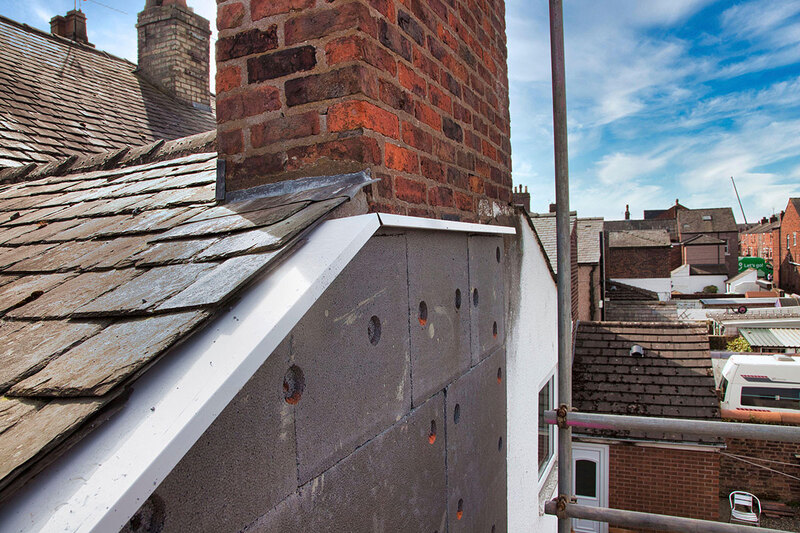
Two major sector bodies have called on the government to review VAT on works to existing homes, to zero-rate VAT on building safety works, and to extend the zero-rating of energy-saving materials to 2030.


 Sector bodies urge government to extend zero-rate VAT on remediation and apply it to building safety works #UKhousing
The National Housing Federation (NHF) and The L12 group of landlords in London have called for the measures, as the UK has “some of the oldest stock in Europe” that “is not equipped for the 21st century”.
Removing VAT on existing works would put regeneration work on par with new build homes, and both organisations are calling on the government to fully fund retrofit works through grant funding.
The government has pointed out that it maintains a zero rate of VAT for the installation of qualifying energy-saving materials, subject to certain conditions.
These materials include solar panels, heat pumps and certain types of insulation. This relief will run until March 2027, after which the rate will revert to the reduced rate of 5%.
Read more


 RSH quarterly survey: landlords invest ‘significantly’ in existing homes but development spend falls
At the same time, residential renovations are subject to a reduced rate of VAT of 5% if they meet certain conditions, including conversions of buildings from one residential use to another, conversions from commercial to residential use, and the renovation of properties that have been empty for two or more years.
However, Will Jeffwitz, head of policy at the NHF, said: “We strongly support the government’s ambitious housebuilding plans, but we maintain that solutions to fix the housing crisis must also include a comprehensive, funded plan to retrofit and regenerate our ageing housing stock.
“These measures would put regeneration on a par with new builds and boost investment in both new and existing homes. We support calls for the government to review VAT on works to existing homes.
“As a first step, in the upcoming Budget, we urge the government to zero-rate VAT on building safety works and extend the zero-rating of energy-saving materials to 2030. It must also improve the process for housing associations to claim relief for works delivered under wider contracts that include non-energy-saving measures.”
This call comes as housing providers are spending heavily on existing stock but investment in new homes has fallen as a result, according to the Regulator of Social Housing’s latest quarterly survey of landlords’ financial health.
Steve Stride, chief executive of Poplar HARCA and regeneration spokesperson for The L12, said: “The UK has some of the oldest housing stock in Europe, ill-equipped for the 21st century.
“Older homes, including many social homes, often have poor insulation, draughty windows and doors, outdated heating systems and a lack of renewable energy solution.
“Focusing solely on the delivery of new homes fails to acknowledge the environmental and social benefits of regenerating existing housing.
“The L12 provides warm, safe and secure social housing today. However, with current environmental standards and land values, it is not economically viable to upgrade all existing housing without significant support, including grant funding from the government.
“Reducing demand for energy from UK households is vital for delivering on Labour’s climate agenda. A big challenge is retrofitting older properties to ensure they are more energy efficient and utilise alternative heating solutions.
“The L12 is calling on the government to provide grant funding for regeneration and no VAT on works to existing homes – as is the case for new homes.”
In response, a government spokesperson said: “The government already maintains a 0% rate of VAT for the installation of many energy-saving materials – such as solar panels.
“The government also maintains VAT reliefs for specific types of residential renovations, whilst funding £13.2bn for the Warm Homes Plan to cut bills, tackle fuel poverty and accelerate to net zero.”
The government also reiterated its commitment to transitioning to a circular economy and has convened a Circular Economy Taskforce of experts to help develop a circular economy strategy for England.
This taskforce will initially focus on six sectors that have the greatest potential to grow the economy: chemicals and plastics, the built environment, textiles, electric and electronic equipment, transport, and agri-food.
A plan to publish the strategy for consultation is expected in the coming autumn.
Sign up for our asset management and sustainability newsletter

Already have an account? Click here to manage your newsletters
Related stories