You are viewing 1 of your 1 free articles
‘Shocking’ 38% rise in people living on London streets at start of 2025
New data has revealed a 38% rise in the number of people living on the streets across the capital in the first three months of 2025.


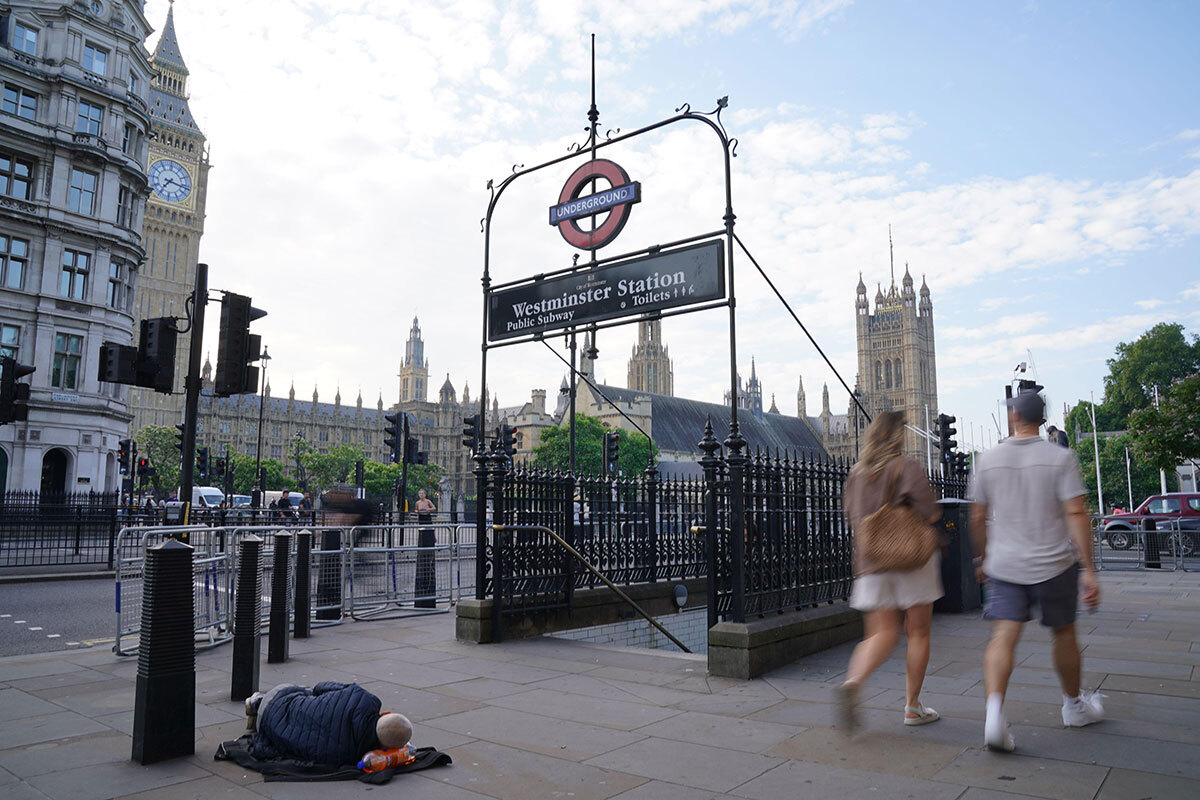 ‘Shocking’ 38% rise in people living on London streets at start of 2025 #UKhousingNew data has revealed a 38% rise in the number of people living on the streets across the capital in the first three months of 2025 #UKhousing
The figures released by the Combined Homelessness and Information Network (CHAIN) showed 706 people deemed to be living on the streets, which is 38% higher than over the same period last year.
Although, it is only an increase of two individuals from the period between October and December 2024.
In total, 4,427 people were recorded as rough sleeping in London at the start 2025 – an 8% rise.
Of those these, 2,085 people were rough sleeping for the first time, a 2% increase, and 1,714 people were intermittently rough sleeping, 5% higher than the same period last year.
Emma Haddad, chief executive of homelessness charity St Mungo’s, believes the figures should concern everyone.
Read more


She said: “This is truly shocking and symptomatic not only of the housing crisis but also a rising public health emergency. People affected by a job loss or relationship breakdown are increasingly being driven onto the streets, without sanitation, security and support.”
The CHAIN data also revealed that 1,673 individuals had a need for mental health support, 50% of the total number of people sleeping rough.
Ms Haddad added: “Many stretched services are seeing a revolving door of people with health needs either caused or exacerbated by homelessness. Anxiety, depression, substance use and frailty are just some of the conditions we’re seeing with greater prevalence and severity compared to the general population.
“The longer these needs go unaddressed, the harder it becomes for people to move on from homelessness. Our frontline teams are working round the clock to get people into emergency housing and then supporting them to survive and thrive in their own accommodation.
“Affordable housing is just one part of a much broader solution. We also need to see a homelessness and healthcare system working in tandem, so that more people are empowered to leave homelessness behind them and fewer people fall back into it.”
Like many in the sector working in homelessness support and prevention, St Mungo’s said it is waiting for the launch of the government’s homelessness strategy to help “address these dual emergencies and end homelessness for good”.
Both the London mayor and government have pledged to tackle the problem.
Sadiq Khan announced in December 2024 that charities will receive £300,000 to fund accommodation for people experiencing homelessness in London. Around a month later, he back that up with an additional £10m to tackle rough sleeping across the capital, including a focus on prevention services.
At the same time, the government pumped £1bn in funding for 2025 into councils in England to tackle and prevent homelessness.
The government pointed out that between October and December 2024, 18,890 households were prevented from becoming homeless and provided with secure accommodation. This was the most recorded since January to March 2022.
At the start of this year, deputy prime minister and housing secretary Angela Rayner tripled the emergency support fund for rough sleepers to £30m.
Councillor Grace Williams, London Councils’ executive member for housing & regeneration, said: “This jump in rough sleeping is the latest evidence of London’s worsening homelessness emergency.
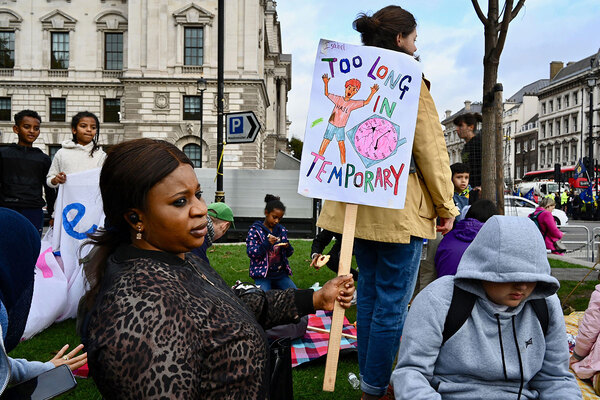
“Rough sleeping is the most extreme and visible form of homelessness, but we are also seeing skyrocketing numbers of homeless Londoners relying on temporary accommodation.
“London is grappling with the worst pressures in the country. Boroughs will continue to work with our partners – including the mayor of London, the voluntary sector, and national government – to support homeless Londoners and help them off the streets. Ultimately, London needs more funding and investment to reduce rough sleeping and address the wider causes of homelessness.”
Sign up for our homelessness bulletin

Already have an account? Click here to manage your newsletters
Related stories