You are viewing 1 of your 1 free articles
Social housing exempt from planned building safety tax in Scotland
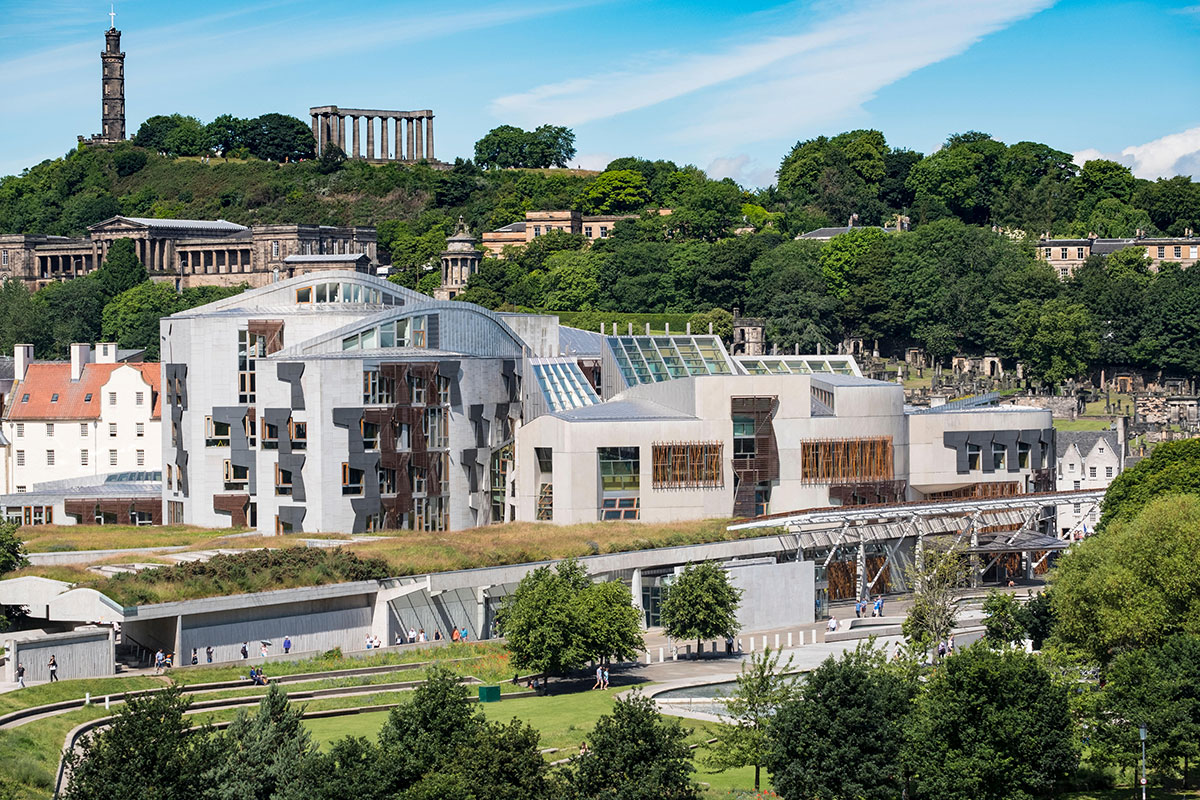
Social and affordable housing will be exempt from a planned building safety tax on new residential developments in Scotland.


 Social and affordable housing will be exempt from a planned building safety tax on new residential developments in Scotland #UKhousing
The tax aims to raise £30m per year to help pay for remediation works in buildings with unsafe cladding that have no linked developer.
The Building Safety Levy (Scotland) Bill will introduce a tax on the construction of certain residential properties, in line with equivalent legislation in England.
A new forecast predicts that fixing cladding in Scotland could cost the public at least £1.7bn, and potentially £3bn, over the next 15 years.
Holyrood officials estimate that up to 1,450 of Scotland’s residential buildings that are at least 11 metres high will need work to reduce life-safety fire risks.
Read more
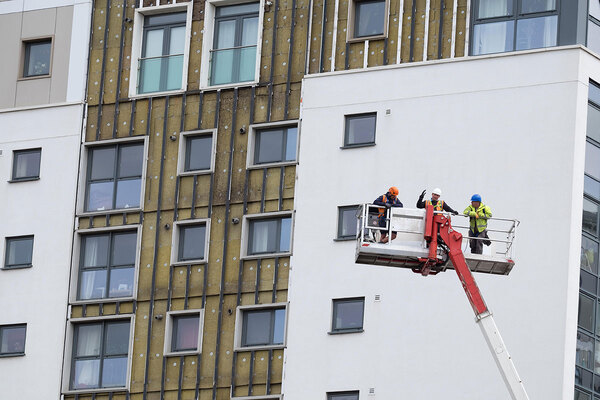
It is assumed that 84% of these huildings will need full remediation, according to a cladding remediation capital spending forecast.
The new levy is planned to come into force in April 2027 and will be collected by Revenue Scotland. It will be charged as a proportion of the total floorspace of a new residential unit, multiplied by a rate set by Scottish ministers.
The tax will not apply to hotels or residential institutions, though it will apply to halls of residence for students and build-to-rent schemes.
Exempt developments include social housing, and homes which are part of the government’s Affordable Housing Supply Programme, plus any new building on a Scottish island.
The bill also provides for a review of the tax and target collection amount in light of the housing market and spending on cladding work.
The Scottish government gained the power to introduce the tax under devolved powers last year and a consultation launched in September.
Ivan McKee, the Scottish minister for public finance, said the legislation will make sure developers pay a “fair contribution” to the cost of fixing unsafe cladding.
“The Scottish government is committed to doing what is right and necessary to address the challenge of fixing buildings affected by unsafe cladding. That includes putting the appropriate funding arrangements in place to ensure that the associated costs of cladding remediation do not fall directly onto affected homeowners.
“I know that developers share our determination to keep people safe, and this levy will ensure they make a fair contribution to these costs, just as they will be doing in England.
“I also welcome the continued cooperation of developers who have accepted responsibility for the assessments and any required mitigation and remediation of their buildings,” he added.
Scotland’s housing sector had a mixed response to the new bill.
Callum Chomczuk, national director of the Chartered Institute of Housing Scotland, highlighted the importance of exemptions to the levy. “The Chartered Institute of Housing Scotland welcomes the aim of the building safety levy to raise funds for the remediation of buildings with safety defects.
“However, in the midst of a national housing emergency, it is important that the safety levy does not place an additional burden on the development of housing. [This] would undermine the Scottish government target of 110,000 affordable homes by 2032. Exemptions to the levy are critical, so that it does not disincentivise the development of the social and affordable homes that Scotland needs.”
Representative body Homes for Scotland, which says its members deliver most new homes across tenures in Scotland, claimed the planned tax was “unacceptable” during the country’s housing emergency.
It said: “Members are committed to the remediation of life-critical fire safety cladding on buildings they have built, and ensure the highest levels of quality and building safety are achieved.
“However, in addition to the proposed Building Safety Levy, Scotland’s largest home builders are already contributing to the remediation of other impacted buildings through their payment of the Residential Property Developer Tax.
“The proposed levy will therefore represent an additional layer of taxation which will add thousands of pounds to the cost of new homes, pushing families, first-time buyers and future generations further away from homeownership.
“At a time when Scotland is facing a housing emergency and 693,000 Scottish households are living in some form of housing need, this is simply unacceptable.”
The Glasgow and West of Scotland Forum of Housing Associations welcomed the exemption of the Affordable Housing Supply Programme.
A similar levy in England was delayed by a year after house builders warned it would put plans to build 1.5 million homes at risk.

Related stories