You are viewing 1 of your 1 free articles
Social landlords and developers should collaborate early to boost Section 106 homes
Early engagement and “genuine” collaboration between social landlords and developers are essential for successful Section 106 (S106) agreements, new guidance from the G15 has found.


 Social landlords and developers should collaborate early to boost Section 106 homes #UKhousingEarly engagement and “genuine” collaboration between social landlords and developers are essential for successful Section 106 agreements, a G15 report has found #UKhousing
The report, called Building Together, Building Better: Rethinking S106 for Affordable Housing Delivery, found that social landlords should be involved in decisions about new projects from early stages, ideally at pre-planning or land acquisition.
It said this will enable the design of places which “genuinely meet the long-term needs of all residents”.
The guidance document, led by 109,000-home landlord L&Q, outlines what social landlords need when acquiring homes from house builders.
Read more


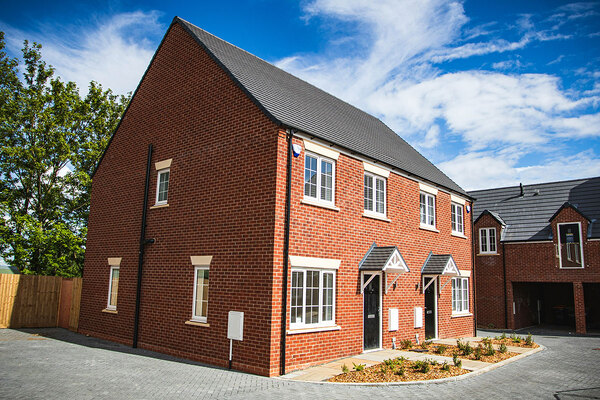
In the past, nearly half of all new affordable homes have been delivered through S106 contracts between developers and social landlords. However, appetite from landlords has been decreasing lately.
In December 2024, the Home Builders Federation reported that 17,400 affordable homes in England and Wales were not being built because housing associations were not bidding for them.
Financial constraints, along with economic and regulatory challenges, are partly to blame, the G15 said.
However in 2024, Homes England launched the S106 clearing service, which revealed that social landlords often declined homes due to concerns around tenure mix, location and delivery timings.
The new guidance from the G15, which represents London’s biggest housing associations, aims to create better partnerships for delivering more S106 homes.
The report, which was supported by the Chartered Institute of Housing (CIH), National Housing Federation (NHF), Greater London Authority and Homes England, advises that developers and their social landlord partners should work together throughout projects.
This should include regular meetings, shared decision-making about specifications and components, and site visits to monitor the delivery of homes.
Fiona Fletcher-Smith, chair of the G15 and chief executive of L&Q, said housing associations’ “primary mission” is to deliver “high quality, affordable homes for those who are most in need”.
“This report sets out how private house builders and the affordable housing sector can work together to create places which truly enable people to live better lives,” she said.
“S106 agreements are a vital way of providing these, but often provide limited opportunities for social landlords to influence the design of these places or how they will be managed in the long term.”
Ms Fletcher-Smith added that with more than a million people on housing waiting lists, “we urgently need more homes”.
Tom Copley, deputy London mayor for housing and residential development, said it is “vital” that developers and housing associations work together to “make the Section 106 process work”.
“This report provides an important opportunity for further collaboration. The mayor and I will continue to work closely with our partners across the sector to boost affordable housing delivery and create a better, fairer London for everyone,” he added.
Sarah Finnegan, head of policy at the NHF, said that by collaborating at pre-planning stage, “any concerns about the quality and design of these properties can be addressed from the outset,” and developers and social landlords “can get on with the vital task of delivering more social homes”.
Rachael Williamson, interim director of policy, communications and external affairs at the CIH, said: “This guidance reinforces the need for collaboration and provides a practical framework to align development decision-making – on timing, tenure, quality and designs of new homes – with meeting tenants’ needs.”
A spokesperson for Homes England said Section 106 “plays a crucial role in delivering much-needed social and affordable housing” and “will be important” in helping the government deliver 1.5 new homes over this parliament.
“For it to continue to be an effective delivery route and meet local housing need, it’s clear that there needs to be close collaboration, early engagement and strong partnerships between housing associations, local authorities and house builders,” they added.
Sign up for our development and finance newsletter
Already have an account? Click here to manage your newsletters
Related stories