You are viewing 1 of your 1 free articles
UK cities call for £3bn brownfield viability fund and stricter definition of affordable rent
Cities across the UK have called for a £3bn brownfield viability fund and a stricter definition of affordable rent to support the government’s ambition to deliver 1.5 million homes.


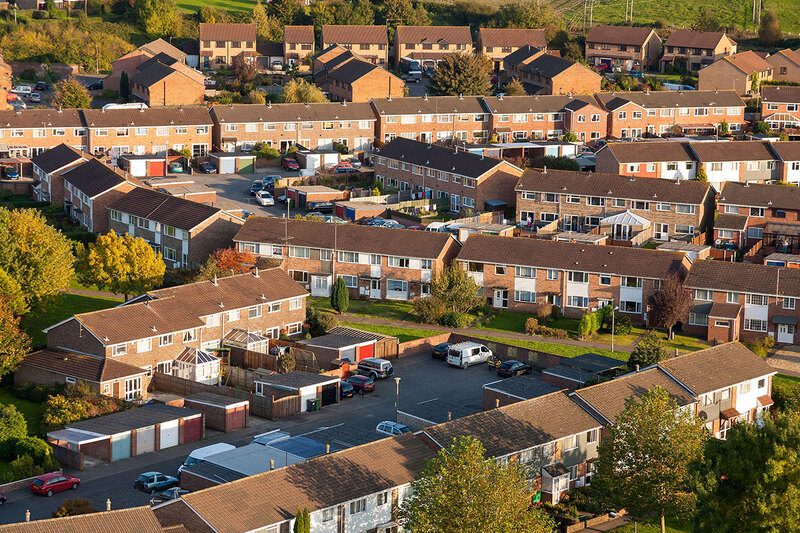 Cities across the UK have called for a £3bn brownfield viability fund and a stricter definition of affordable rent #UKhousing
Key Cities, a cross-party network of 25 cities and towns across England and Wales, has published the results of a housebuilding survey with its members, as well as with decision-makers in the public and private sectors.
The report found that the biggest obstacle to increasing housebuilding faced by members was viability at 27%, followed by land availability at 19%, both developer delays and skills shortages at 14%, and the planning system at 6%.
Nearly 90% of survey respondents said that the shortage of affordable and social housing in their areas was “critical” or “extremely critical” – with the report emphasising the ongoing loss of existing affordable homes through the Right to Buy scheme.
Among its recommendations, the group called for a £3bn land and infrastructure viability fund to break the “land value inflation bottleneck”.
The fund could be created by consolidating unspent Community Infrastructure Levy (CIL) receipts, existing brownfield grants and additional funding from the National Wealth Fund.
It would simplify funding streams and support remediation and infrastructure on brownfield and grey belt land, making it easier to empower local authorities with streamlined, centralised access to capital and the power to drive development.
Read more
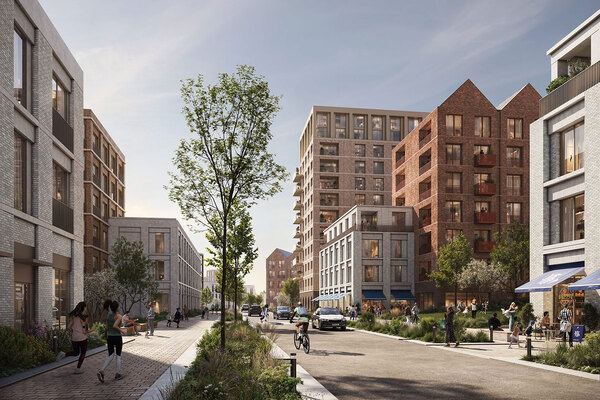

Within this fund, a £500m heritage premium grant programme could be set aside to support the remediation and regeneration of derelict industrial sites with historic or cultural significance – so the programme could prioritise underused locations with strong potential for heritage-led renewal.
Key Cities also called for a stricter definition of affordable rent that would lower costs by almost 20%, ensuring affordable housing is “genuinely accessible to those in need and aligned with the financial capacity of local communities”.
It recommended replacing the current benchmark for affordable rents, which is 80% of market rent, with a new benchmark based on 130% of social rent to better reflect local incomes and property values.
The survey found that the current definition of ‘affordable’ was deemed misleading and unhelpful by respondents, as it is not tied to income levels or benefit thresholds.
Key Cities also recommended redefining a ‘medium site’ as a site of up to 99 homes to help small and medium-sized house builders to scale up, as well as ringfencing 20% of Social and Affordable Homes Programme funding to boost housing delivery in newly created foundation strategic authorities, and raising energy, accessibility and space standards on new homes.
Other recommendations included a co-investment model in the National Planning Policy Framework (NPPF) to de-risk and enable private investment, and reforming financial viability assessments within the NPPF to ensure every housing development contributes fairly to local infrastructure and affordable housing.
On which planning reforms would have the greatest impact, 33% of respondents selected “other”, expressing scepticism that any proposed changes would meaningfully address the root causes of housing under-delivery.
Increased devolution was selected by 22% of respondents, followed by national development management policies at 17%, fast-tracking brownfield sites and the use of grey belt land, both at 11%, and increased housing targets at 6%.
When asked where to build new housing, 54% of respondents said brownfield sites, followed by greenfield sites at 21%, and grey belt sites at 18%. However, members also noted that brownfield development often faces viability challenges due to contamination and infrastructure costs.
More than 60% of survey respondents reported that more than 1,000 homes in their areas have planning permission but remain unbuilt, while 27% said they were unsure of the figure, signalling how difficult it can be to view housing delivery progress holistically.
Among Key Cities members, Cumberland reported the highest percentage of planning permissions granted in 2024, at 93% – with the average number of homes added since 2021 per year at 877, against a government housing target per year of 1,105.
Gloucester reported the lowest percentage of planning permissions granted in 2024, at 55% – with the average number of homes added since 2021 per year at 440, against a government housing target per year of 685.
Naushabah Khan, MP for Gillingham and Rainham, backed the report, saying: “It is clear that we will struggle to hit the government’s target of 1.5 million new homes unless we combat the barriers stalling delivery.
“Redefining affordability so rents are tied to local earnings, not inflated market rates, will make homes genuinely within reach.
“A new co-investment model can unlock land, de-risk private capital and give councils real power to shape housing in their communities.
“And by removing restrictive regulations and raising specific industry standards, we can build faster while ensuring homes are fit for the future.”
The Ministry of Housing, Communities and Local Government was approached for comment.
Sign up for our development and finance newsletter
Already have an account? Click here to manage your newsletters
Related stories