You are viewing 1 of your 1 free articles
Vacant properties could be turned into 25,000 new homes, report finds
The number of vacant local authority-owned properties has risen from 6,324 to 8,242, and researchers have suggested these empty spaces could be converted into tens of thousands of new homes.


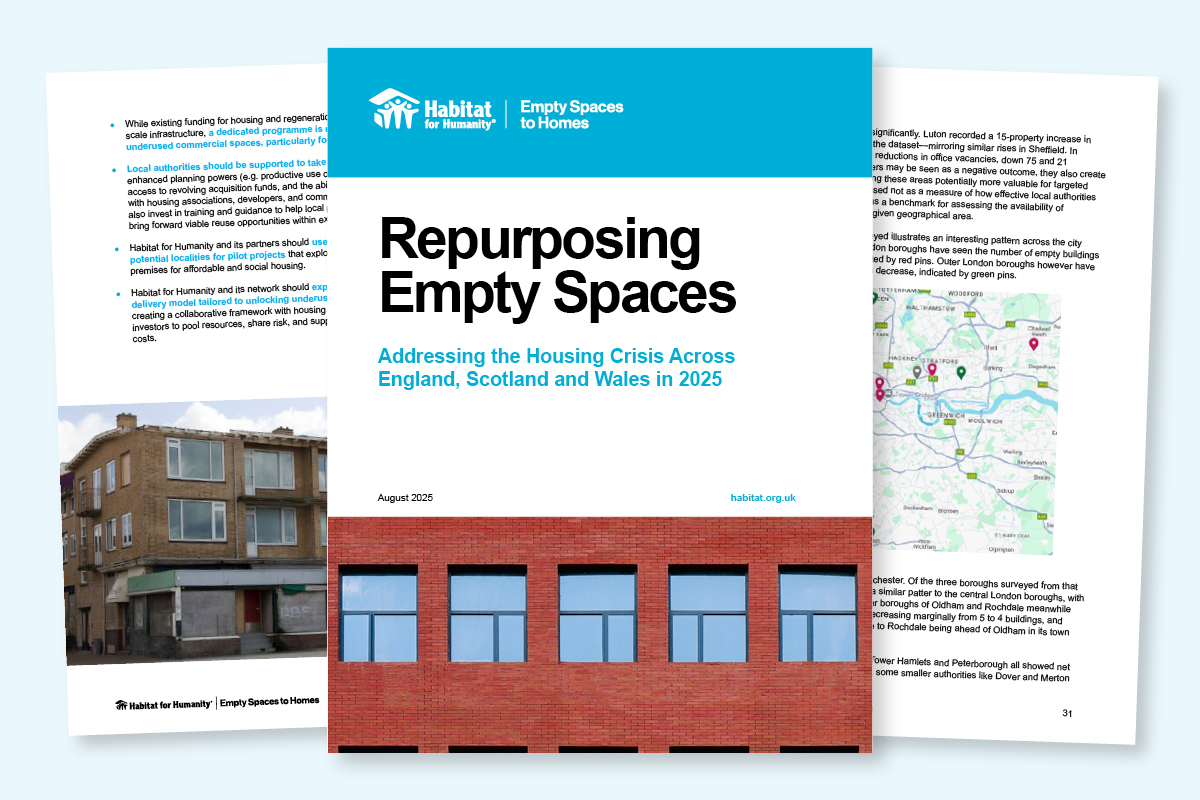 Vacant properties could be turned into 25,000 new homes, report finds #UKhousingThe number of vacant local authority-owned properties has risen from 6,324 to 8,242, and researchers have suggested these could be converted into new homes #UKhousing
Research from the Empty Homes Network and commissioned by Habitat for Humanity Great Britain said this amounts to a near 500% rise in unused buildings.
Since 2021, the number of empty spaces has risen by 44% in Wales, 30% in England and 18% in Scotland.
The Repurposing Empty Spaces report looked at properties that had been empty for over a year, including retail, office and leisure spaces. Habitat for Humanity claimed that 25,000 new homes could be created if these properties were converted.
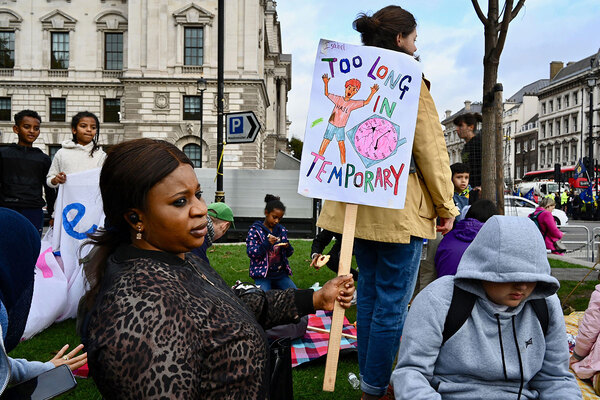
This comes at a time when a record 131,140 households are living in temporary accommodation.
Read more

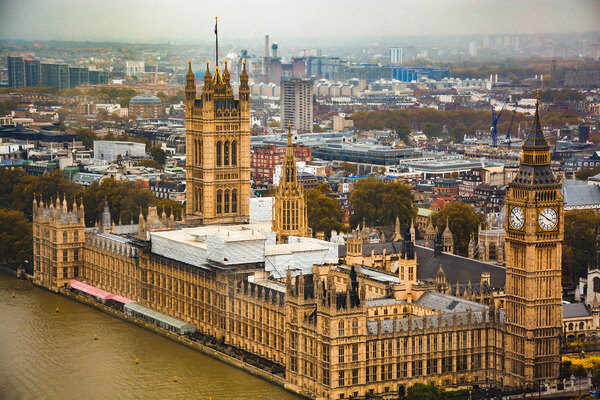
Habitat for Humanity highlighted how many of the empty buildings are located near transport hubs and business centres, and believes building conversions could provide long-term savings for councils as well as boost economic activity in town centres.
The study recommended the creation of a national dataset of publicly owned vacant properties that comes with dedicated funding and strategic intervention to solve the issue on behalf of local leaders.
Henrietta Blackmore, interim chief executive and national director at Habitat for Humanity, said: “We know that empty buildings are only part of the answer to the housing crisis, but they should be an important part.
“Councils have full control over what they do with their assets, and must prioritise social homes. The budgetary pressures local authorities face are not helped by constant firefighting with scarce resources.
“Fixing the broader social issues we face as a nation means, first, ensuring we all have somewhere to call home. As our report shows, there exist a large number of buildings which could help us meet that mission.
“The fact we have empty buildings and a housing crisis isn’t new, but it’s time for all involved to grasp new ways of thinking and doing to boost the stock of social housing.”
The report highlighted the potential of vacant and underused publicly owned buildings in London and said that many of these are “well located, structurally sound and capable of being repurposed for housing”.
The Greater London Authority explained that there is a problem with the legal period for councils to issue an Empty Dwelling Management Order (EDMO), which under current legislation can only be used on properties that have been vacant for two years and linked to anti-social or criminal behaviour.
A spokesperson added: “A key step would be reducing the EDMO qualifying period to six months, [which] would ensure more homes are available to meet local housing needs.”
A spokesperson for London mayor Sir Sadiq Khan said: “We are currently drafting the next London Plan, due for publication in 2026, which will outline a new approach to help tackle the housing crisis and ensure we make best use of the limited land available to deliver the homes Londoners need.
“As part of this work, we will consider how to make more strategic use of employment land and premises.”
Researchers also highlighted the wider issue of unused properties in the private sector, claiming there are around 175,000 privately owned non-residential buildings that are currently empty. These vacant spaces have the potential to provide more than 500,000 homes.
A spokesperson for the Local Government Association said: “Long-term empty homes are a major issue for councils. They represent a missed opportunity to provide housing for those in need and those on housing waiting lists.
“Councils share a collective national ambition to tackle local housing challenges. However, they must be sufficiently empowered and funded to carry out work on this area.”
A spokesperson for the Ministry of Housing, Communities and Local Government said “We are determined to fix the housing crisis we have inherited, and we know that having too many empty homes in an area can have a significant impact on local communities.
“That’s why we expect councils to make use of their available social housing and will review how they are being used, exploring ways to reduce the time homes are left empty.”
Sign up for our asset management and sustainability newsletter

Already have an account? Click here to manage your newsletters
Sign up to HOMES UK and Unlock Net Zero Live 2025

Whether your focus is building safety, sustainability, development, AI and digital transformation, housing management, procurement, or resident engagement, this is a must-attend event for all UK housing professionals.
Explore opportunities to increase affordable housing supply and improve the quality and sustainability of existing homes.
Related stories