Cardiff: Navigating the path to net zero – the journey and lessons learned
Our ambition is to embed thinking about carbon implications in the organisation’s DNA, says Caro Wild, cabinet member for climate change at Cardiff Council


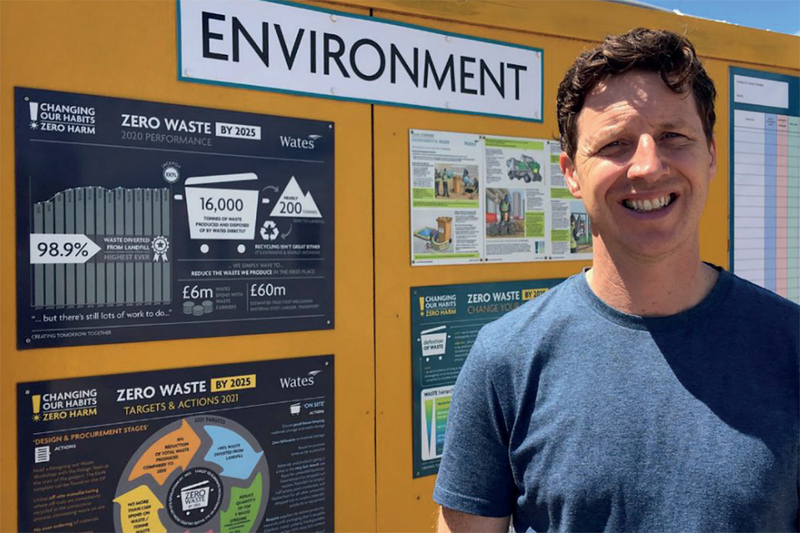 Our ambition is to embed thinking about carbon implications in the organisation’s DNA, says Caro Wild, cabinet member for climate change at Cardiff Council #UKhousing
Go back to the Cities Encyclopaedia
Cardiff has a difficult past and present relationship with climate change. The city’s docks once exported more coal than anywhere in the world, fuelling the industrial revolution with high-carbon fossil fuel. Now, as a coastal city at the foot of several valleys, we face very real flood risks.
So, whether from heart or head, Cardiff needs to act with urgency.

In 2019, we put forward an ambitious vision to make Cardiff a carbon-neutral council by 2030, with a pathway to becoming a net-zero city. Pursuing this target has brought focus, united people and organisations across the public, private and third sectors, and emphasised the urgency of addressing climate change. While challenges and uncertainties remain, the progress so far is testament to the power of setting bold goals.
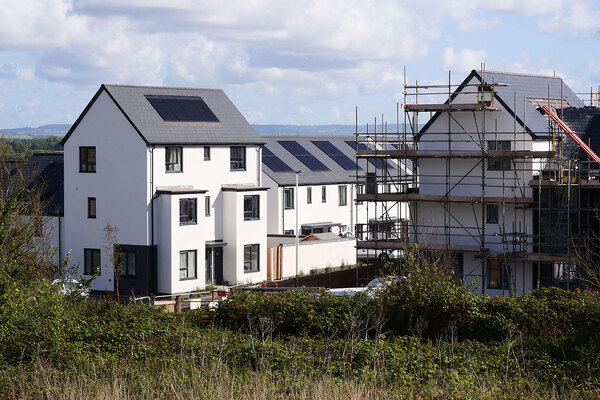
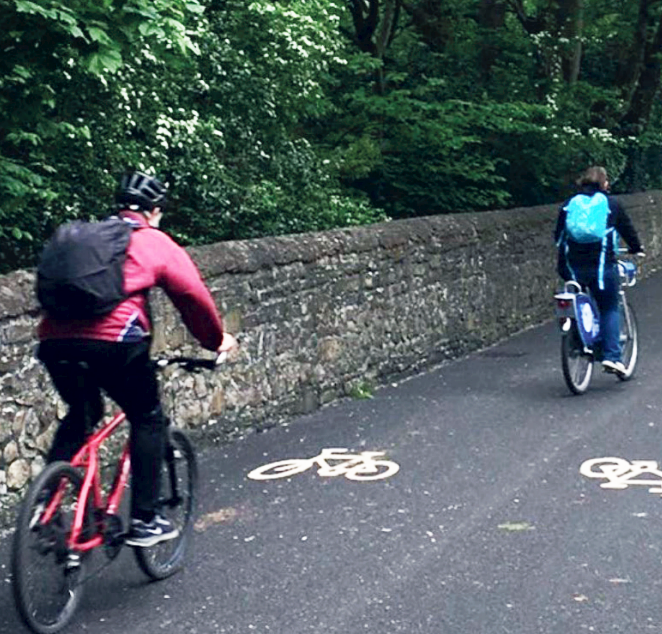
With more than 50,000 trees planted, council tenants living in new low-carbon and Passivhaus standard homes, segregated cycle lanes and sustainable drainage systems spreading across the city, a 9MW solar farm delivered and construction of a low-carbon district heat network well underway, it is easy to point to visible successes.
“Pursuing this target has brought focus, united people and organisations across the public, private and third sectors”
But probably the most important work has been behind the scenes, developing a full understanding of all our emissions – a remarkable 78% of which come from our procurement chain – as well as a better understanding of the levers that influence the city’s emissions.
We’ve also done some cost calculations, and here’s where we hit a problem. Like most other big local authorities, we own and manage a large and diverse range of buildings, the most obvious being our 130 schools. The sheer scale of the work required to minimise their carbon emissions, and the challenge of financing it, is monumental. However, our improved understanding of what is required organisationally, technologically and from our wider supply chain to achieve our ambitions will be vital in helping us to communicate the challenges to our partners, communities and potential financiers.
In a period marked by the need to take tough budgetary decisions, increasing demand for council services, and the need to provide residents with the new jobs and homes they require, finding the right balance between competing priorities is a formidable task. However, the replacement local development plan, which will be published later this year, has enabled us to review the strategic policy context and provide a clear vision for a healthier, more liveable, sustainable and low-carbon city.
The work already in progress to improve public transport and active travel networks, develop a low-carbon heat network, improve flood defences and green our city mean the physical building blocks are in place. Now we can look to accelerate this – including developing our understanding of energy needs in the local area so we can get a shared picture of demand, challenges and opportunities – and begin integrating this key infrastructure seamlessly as the city grows and develops, ensuring that future generations continue to thrive in Cardiff as its climate changes.
Clearly though, not all the myriad decisions we take can be the lowest-carbon option. What we can do is ensure that the carbon implications of every decision, big or small, are considered and captured, so we can understand their cumulative impact and identify areas for improvement. To support this, we’re investing in carbon-literacy training for elected councillors and officers at all levels of the organisation. We are also working with the Innovate UK Net Zero Living programme to develop a strategic governance and performance framework which incorporates carbon in decision-making.
Engagement crucial
Ultimately, our ambition is to embed thinking about carbon implications in the organisation’s DNA. We’ve been clear from the start that we can’t achieve our carbon-neutral ambitions alone. We need to bring people with us and support them to make changes to how they live, work and move around the city. Taking a principled approach to engagement and communications, and harnessing behavioural science ar key to this. This is why we adhere to principles and guidelines developed by the Welsh government and Cardiff University’s Centre for Climate Change and Social Transformations to ensure that our engagement is inclusive, transparent and community-driven.
“Ultimately, our ambition is to embed thinking about carbon implications in the organisation’s DNA”
Cardiff’s young people are proof that there is much reason for optimism that behaviour change can and will happen. We’re at the start of our journey to build climate change into the curriculum through our One Planet Cardiff schools pledge, but it’s already clear that pupils are being inspired by their schools, hoovering up information and taking action. Ensuring that the learners of today embrace the responsibility of caring for the planet, and view sustainability as the norm, can be the driving force behind our net-zero ambitions.
Responding to climate change is a generational challenge. The issues we have faced on our journey so far underscore the complexity of what we are trying to achieve. Yet there is an emerging pathway to net zero. Cardiff remains committed to navigating that path and, fuelled by the collective efforts of its people and partners, optimistic that we will emerge into a sustainable and more resilient future.
This article was originally published in February 2024
Sign up to Inside Housing’s Sustainability newsletter
Sign up to Inside Housing’s weekly Sustainability newsletter, featuring our in-depth coverage of the sector’s journey to delivering net zero.
Already have an account? Click here to manage your newsletters.
Related stories