Coventry: Investing in the value of partnerships and creating net zero neighbourhoods to transform the city
Coventry is doing things differently when it comes to decarbonisation. The city hopes to create a number of strategic partnerships with academia and the private sector


 Coventry is doing things differently when it comes to decarbonisation. The city hopes to create a number of strategic partnerships with academia and the private sector #UKhousing
Go back to the Cities Encyclopaedia
It starts with not having a defined timeline to reach net zero, although the West Midlands has a stated objective of reaching this by 2041. “We have deliberately not set a climate target, as actions speak louder than words,” says Colin Knight, director of innovation at Coventry City Council. “You are always judged by what you do, so we like to focus on the practical.”
The city has launched a draft climate change strategy which sets out its aims. “We have three corporate priorities as a council, and tackling the consequences of climate change is one of them,” says Mr Knight.
“The other core areas are jobs and growth and equalities, which have a clear and obvious link to the climate change agenda. There are consequences for all, and we know that climate change has the potential to hit the poorest most. So it is about how we link this all with the climate change agenda.”
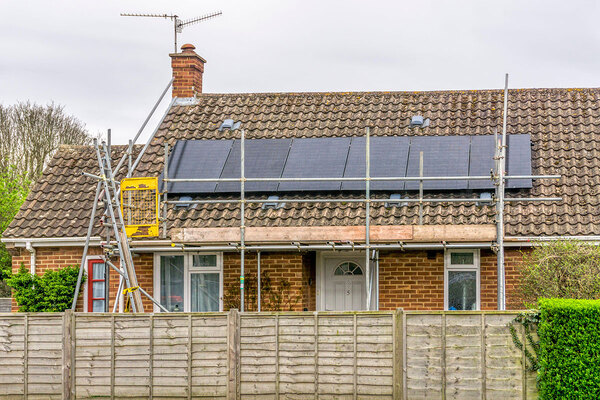
Rhian Palmer, strategic lead for green futures at Coventry City Council, observes that domestic heating and transport are the key areas in terms of emissions. “We are doing a huge amount around the decarbonisation of our transport system, but domestic heating is far harder to tackle. We have 105,000 households with an Energy Performance Certificate poorer than a C; 75% of our households fall into the able-to-pay bracket, but our data shows that fewer than 5% of them can actually afford to invest in retrofit measures.”
Read more
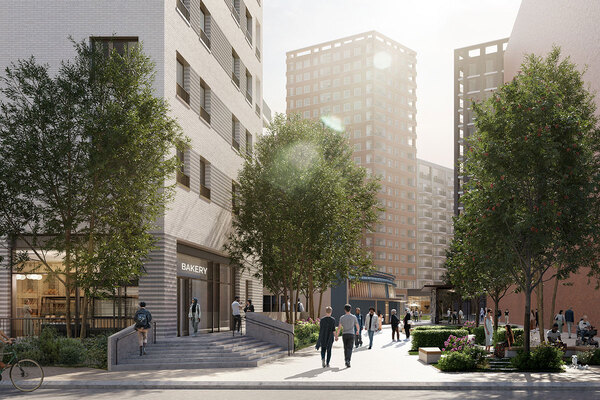
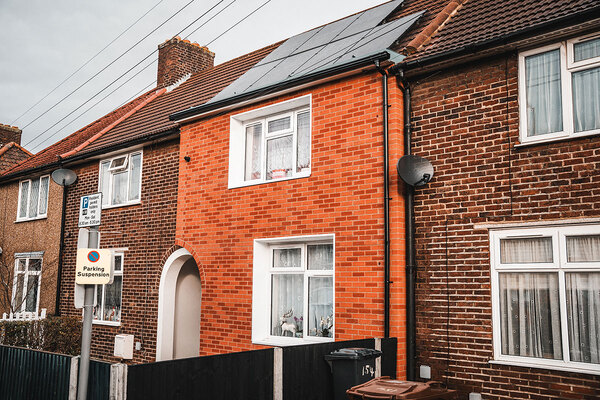
She highlights a sometimes-overlooked challenge of the net-zero transition: behaviour change. The city recognises that this is an area where it has to do things a bit differently. “Even for households that might be eligible for a grant to assist with retrofit, not everyone wants the disruption of work done to their home, and can be suspicious of free money and contractors. This is a big barrier to delivery that needs to be understood at a neighbourhood level, as everywhere is different. We are trying different methods to tackle this, through engagement, events, communications, marketing, social media and the development of net-zero neighbourhoods. We are looking at this on a street-by-street approach to encourage participation.”
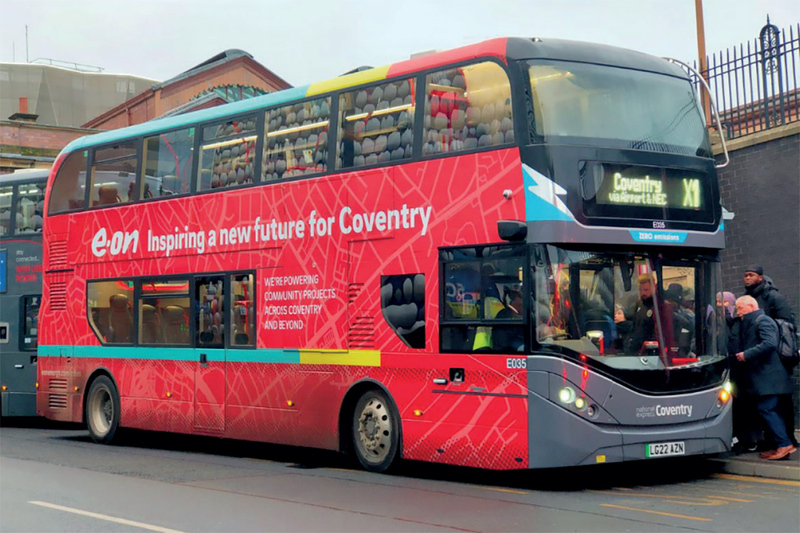
Another way of doing things differently is to enter into strategic partnerships. This includes Coventry’s strategic energy partnership with E.On. A first for the UK, the joint venture will see the two parties collaborating on changing energy use in the city for the benefit of local people. Based on long-term infrastructure planning, the partnership will look into innovative energy generation and security, sustainable transport and the decarbonisation of buildings and homes.
“Domestic heating and transport are the key areas in terms of emissions”
Social value is at the heart of the partnership, to address the needs of the city and provide place-based benefits that are meaningful, appropriate and proportionate. Each project the partnership undertakes will have a social value plan to ensure that local residents, communities and businesses benefit through increased economic prosperity, improved outcomes and the breaking down of inequalities.
To oversee activity, the council has established an independent climate change board for the city, with senior representatives from key public, private and voluntary organisations.
Ms Palmer highlights some of the challenges still to overcome around engagement. “There are still people in our city who don’t perceive climate change to be an issue. This highlights that people aren’t making the link between taking positive action on climate change and the potential uplift to their quality of life, through warmer homes, lower bills, cleaner, greener streets, a reduced risk of flooding and overheating, alongside the creation of more jobs in this growing sector.”
However, as Mr Knight notes, recent weather patterns are making people sit up and take notice. “The floods in January were the most severe we have seen on a city-wide basis.
It has started to focus minds, as people now see such activity becoming more commonplace.”
This means more thought is being put into adaptive and mitigation policies. The city has just commissioned an adaptation and resilience study, and is aware that over 10,000 homes are at risk of flooding. As Ms Palmer explains: “This exercise will develop a detailed climate risk vulnerability assessment and action plans. We already have a SUDs [sustainable drainage systems] policy and are working on the climate change local plan review evidence base to support the case for homes being designed for heating and cooling, to allow us to try and go beyond the proposed Future Homes Standard. We also know that 90% of or current buildings and infrastructure will still be in use in 2050, so we need a sharp focus on adapting existing environments, too.”
Thinking differently
Like other cities, Coventry has bold ambitions, but it is thinking differently about how to achieve them. It hopes strategic partnerships will have a positive impact on communities, build a local narrative and deliver its first net-zero neighbourhood.
The council must balance its many obligations with the move to a low-carbon future. “It needs to be embedded as a key objective within everything we do,” says Ms Palmer.
“It doesn’t need to be either/or. It is always a challenge when it comes to viability. However, we are striving to strengthen our planning policies, as more sustainable development doesn’t need to come at a higher cost. Ultimately, we want homes to be built for purpose now, not having to be retrofitted in five years’ time. Innovation is key to this.
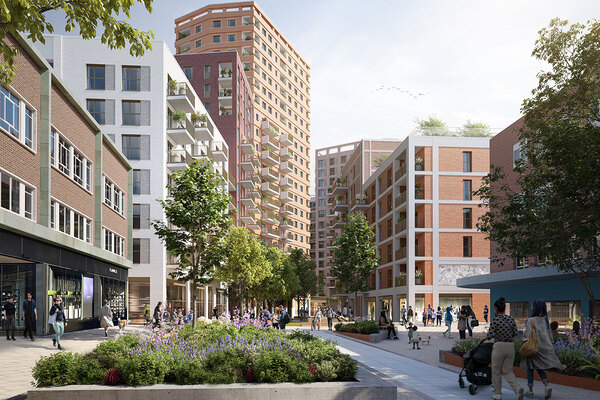
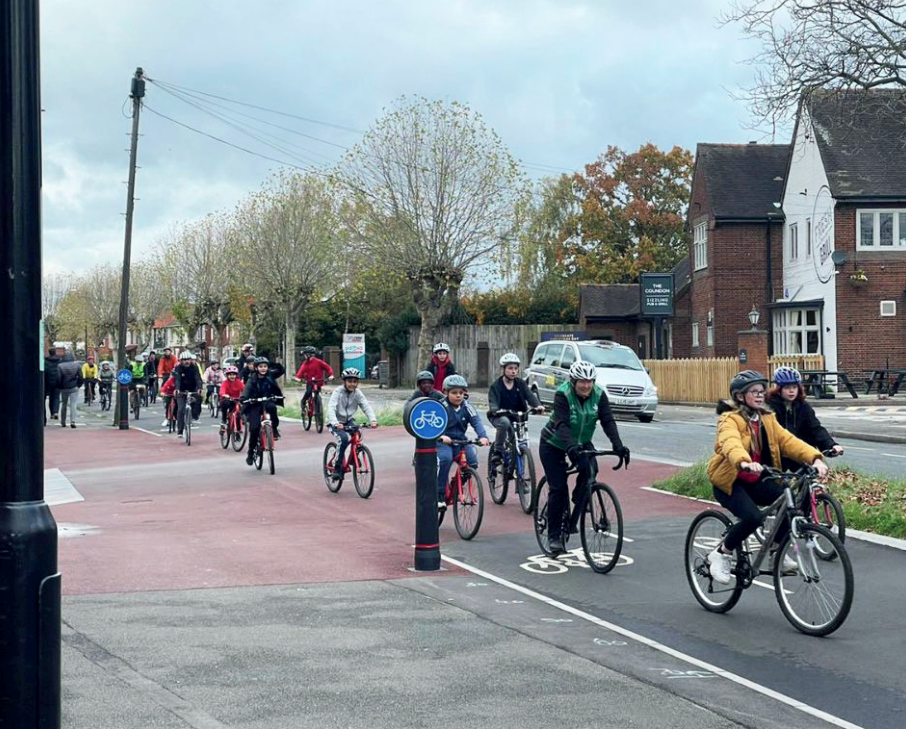
“Creating more sustainable neighbourhoods contributes significantly to improving local services and tackling inequalities. This ranges from the creation of more green space to address green deprivation in the city, creating cleaner air, reducing flood risk and increasing biodiversity. Retrofitting will improve the fabric of homes, creating warmer homes, which supports improved public health, particularly for people with respiratory problems. The creation of active transport infrastructure supports social mobility and provides better access to services, education and jobs.”
How are they going to bring the residents of Coventry with them on this journey?
“We are really lucky in Coventry to have such strong political support and backing. Members have real ambition and vision, and this means we are leading on a wide range of really exciting projects. But, we have to take communities with us too, not have them feel we are doing things to them” says Ms Palmer. This means employing a varied plan to reach groups that all have a preferred method of engagement.
“We want to do engagement with communities that involves co-design with the residents and businesses that know their communities best.”
“The power of partnerships is a core theme throughout their work”
Both Mr Knight and Ms Palmer accept that, in the current economic environment, there is a need to be “creative and innovative” in their approach. This is why the power of partnerships is a core theme throughout their work.
“Partnerships are very important. To drive decarbonisation, we need to harness the power of public-private partnerships,” says Mr Knight.
“We are taking a proactive approach, but there is also an element of working with what you have. We need a holistic ‘One Coventry’ approach. We are passionate about transforming our new developments, helping to create an attractive, green city where all neighbourhoods are places people want to live. A truly sustainable city, we believe, will attract inward investment, retain our graduates and enable citizens and businesses to thrive.”
There is real enthusiasm to create impactful, positive change in Coventry, building on the strengths of the city and its local economic heritage.
This article was originally published in March 2024
Sign up to Inside Housing’s Sustainability newsletter
Sign up to Inside Housing’s weekly Sustainability newsletter, featuring our in-depth coverage of the sector’s journey to delivering net zero.
Already have an account? Click here to manage your newsletters.
Related stories



CPD webinar on demand: Project management and data – a recipe for warm homes success?SPONSORED ARTICLE