Children’s commissioner: new data exposes the true scale of children growing up in B&Bs
As the government works to tackle children stuck long-term in B&Bs, it must make sure those in council-owned temporary accommodation are not forgotten, writes Dame Rachel de Souza, children’s commissioner for England



Rachel de Souza is Children's Commissioner for England
 As the government works to tackle children stuck long-term in B&Bs, it must make sure those in council-owned temporary accommodation are not forgotten, writes Dame Rachel de Souza, children’s commissioner for England #UKhousing
Tens of thousands of children are spending long chunks of their childhoods in unsuitable shared accommodation – sharing bathrooms with strangers, often in unpleasant conditions and cramped together in one small space without privacy.
Since my research into the experiences of children living in poverty last summer, I have been pushing for an end to the illegal use of B&B accommodation, where families with children are living in B&Bs for more than six weeks.
Read more
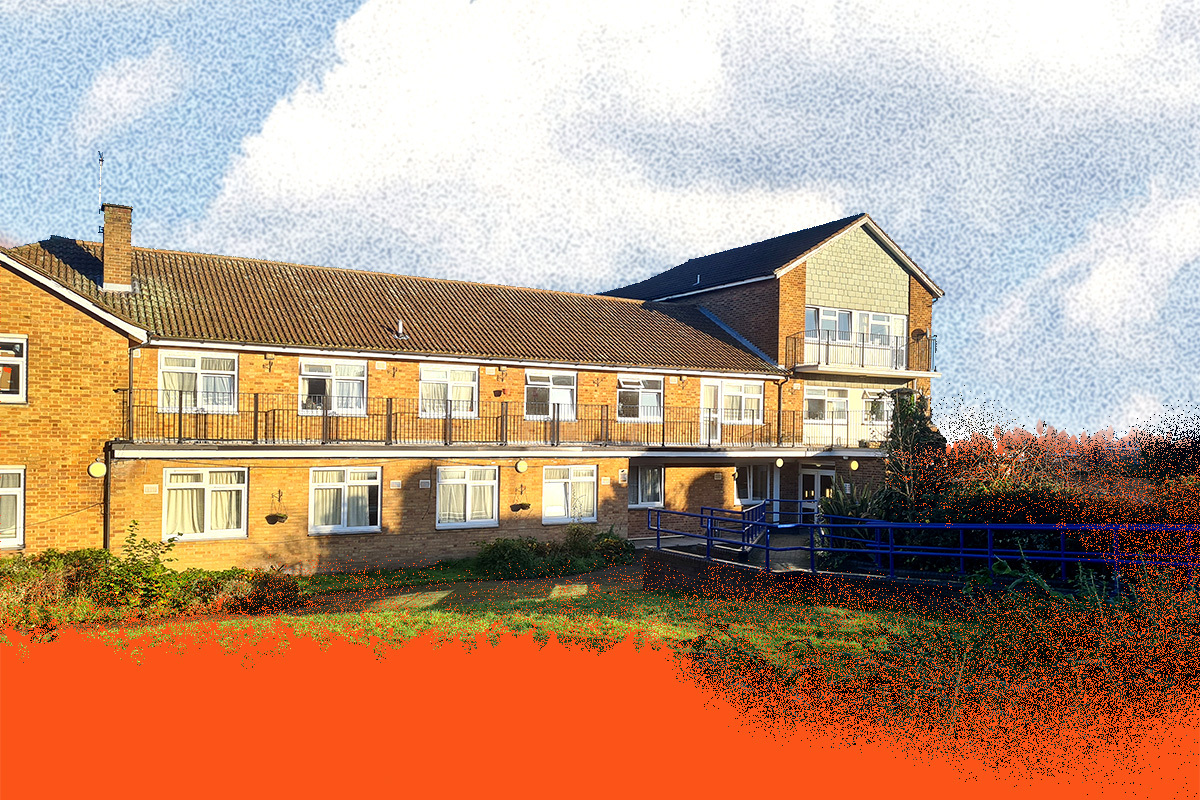
Though it sounds acceptable, even pleasant, the reality for families living in them is very far from that. Sharing toilets, bathrooms and kitchens with strangers – strangers who themselves may be very vulnerable - poses a significant, often unacceptable, risk to children. It means no space for a toddler to explore, or a teenager to have any privacy.
“No child should be living somewhere without a kitchen or bathroom for an extended period of time, regardless of who owns it”
The government’s regular homelessness data publications show that for some children, lengthy stays in unsuitable B&B accommodation are very far away from being an emergency option – 520 families in England had been living in a B&B for over a year on 30th June 2025, with 30 of those families there for over five years.
Five years of a child’s life is a developmentally significant period – and a huge chunk of their precious childhood.
Children have told me about how the lack of basic facilities, including cooking facilities and adequate space, affects them day to day. “Sometimes when we go to my auntie’s house, she gives us food to take because she cooks out of home... that’s the only time I eat normal food and not take-out,” said a 13-year-old boy.
One eight-year-old, when asked what he would change about his housing, said simply: “There should be enough rooms for everyone, so not sleeping in the same room.”
That’s why I’m pleased the government has committed to ending this practice, setting a target in the recent homelessness strategy to end the illegal use of B&Bs.
But there is a concerning loophole in this target, because while there is a statutory time limit of six weeks for the use of privately owned B&B accommodation for families with children, this doesn’t extend to B&Bs that are owned by the housing authority – the council – itself.
We know that in June 2025 there were 3,350 households with children living in privately owned B&B style accommodation, and 2,150 had been there for over six weeks; until now, we didn’t know how many were living in other types of temporary accommodation with shared facilities, including local authority-owned accommodation.
“Another 5,930 children were living in places where they have to share kitchens and bathrooms, who were previously hidden in the data”
That’s why I requested the data on this issue. I can reveal for the first time that at least an additional 3,380 households with children were living in accommodation with shared facilities, in local authority-owned or managed hostels, in June 2025. That’s another 5,930 children living in places where they have to share kitchens and bathrooms, who were previously hidden in the data.
That means that at least 12,330 children were living in accommodation with shared facilities, and 9,510 of them had been there for more than six weeks.
While 65% of children in privately owned B&B temporary accommodation had been there for longer than the six-week limit, this is even higher (90%) for children in local authority-owned hostels where the limit does not currently apply.
But it is still not possible to know the exact extent of the problem, because in addition to these children, 37,530 children lived in ‘accommodation within council’s own stock’.
The Ministry of Housing, Communities and Local Government (MHCLG) is not able to separate out within this category self-contained housing from housing with shared facilities, so the total number of children in shared accommodation is unknown – but could be much higher than previously thought.
I’m pleased that MHCLG has now published this data – and now I want to see a commitment to do so every year.
What needs to change
As the target in the homelessness strategy – to end the use of B&Bs for families for over six weeks – now stands, there is a real risk that children will just be moved from one form of shared accommodation to another. The experience of the child will be no different, the risks to their well-being no smaller – but on paper the target will have been met.
It is essential therefore that the government commits to:
- Amending the definition of B&B accommodation as set out in the Homelessness (Suitability of Accommodation) (England) Order 2003 to include accommodation owned or managed by housing authorities, social landlords and charities;
- Changing the target in its homelessness strategy to end the use of all forms of shared accommodation for longer than six weeks – not just privately owned B&Bs;
- Collecting and publishing the data on an ongoing basis, to illustrate how many children are living in shared accommodation, and for what period of time, regardless of ownership type. This includes disaggregating data on children in hostels from those in refuges, and shared accommodation which is currently captured in the ‘housing within council’s own stock’ category.
Children talk to me with remarkable candour about things most people would consider basic, but which for them are out of their reach: privacy in the bathroom and being able to wash, being able to have their friends over, a place to do their homework.
No child should be living somewhere without a kitchen or bathroom for an extended period of time, regardless of who owns it. These are basic commodities that most children take for granted, providing autonomy, better health and vital protection from harm. Without these basics, children have told me, they often feel a sense of shame of knowing they have less – and from missing out on everyday childhood experiences.
Dame Rachel de Souza, children’s commissioner for England
Related stories