Christmas without you
What if you were separated from your children at Christmas and had to cope with that loss? asks St Mungo’s Broadway’s Jennifer Cirone


You can’t escape the Christmas songs on the radio, the festive coffees and the happy family scenes on television.
Relationships with family, including those we may not be in contact with, will be on our minds.
This is no different for people who are homeless. They will also be thinking about important relationships for them at this time of year – and for those who are parents, this can bring relationships with children into very sharp focus.
We work with many parents at St Mungo’s Broadway. The concept of the ‘single homeless person’ doesn’t often reflect the reality of people’s identities. A third of our clients are parents and 58% of their children are under 18. Many are traumatised by the loss of their children and struggle to cope with limited contact
In my role, I talk to staff about how it’s really vital to ask people if they have children as it’s an important part of their history and identity. It may also highlight a need that we may be able to help them with.
It’s a new role for the charity, and a challenging one. Our work around this issue has grown from our Rebuilding Shattered Lives research about women and homelessness but actually, of course, it’s an issue for men and women.
I’m working with one mum who hasn’t been in contact with her child for over five years. It is baby steps. Managing not only mum’s expectations but also the feelings of the other parent and their desire to do what is best for their child.
I’ve spoken to a dad who hasn’t seen his child for a few months who is worried about how to explain why he hasn’t been able to see him. Simple messages such as ‘I always love you and that doesn’t change when I don’t see you’ often work well.
Lots of our clients tell us that their children are very important motivators for their recovery. They want to make changes because they want to re-establish contact with children in the future.
Where this is not possible, parents will still say that they want to be someone that their children would be proud of.
Any family lawyer can tell you that Christmas is a busy time of year, with lots of people needing their help because they want to see their children.
We too are seeing an increase in enquiries from parents about contact with children. We work with our clients to ensure that they are aware of their options and are supported, practically and emotionally, as needed.
The welfare interests of the child are of primary importance, of course, and the aim of any contact is to meet the child’s needs of identity, belonging and new experiences.
Many of those we work with have children who have been adopted. Birth parents wouldn’t usually have direct face to face contact with their children and their only means of communication will be letters sent once or twice a year.
Parents can find these a joy to receive, but it may also awaken feelings of loss, guilt and shame. Some may not have letter contact with children and it’s important to support them when others are receiving and sending cards, or going on visits.
Parents away from their children can experience strong negative emotions from others which compound feelings of loss and shame and which can further isolate them.
I talk to workers about how important it is to offer clients a non-judgmental environment in which parents can just talk about their children and their feelings. Many will tell us that this is the first opportunity they have had to speak to someone about their experiences who has not made a judgment about them. Clients aren’t expecting a magic wand. They often just want to talk and to be listened to.
Peer support can be hugely helpful for parents apart from their children. It enables people with similar experiences to talk and provide mutual support – ‘unless you’ve been through it, you don’t really understand how it feels’.
This Christmas I would ask you to remember that people who are homeless are parents too.
And that it is OK to ask a person who has experienced homelessness about their children in the same way you would anyone else.
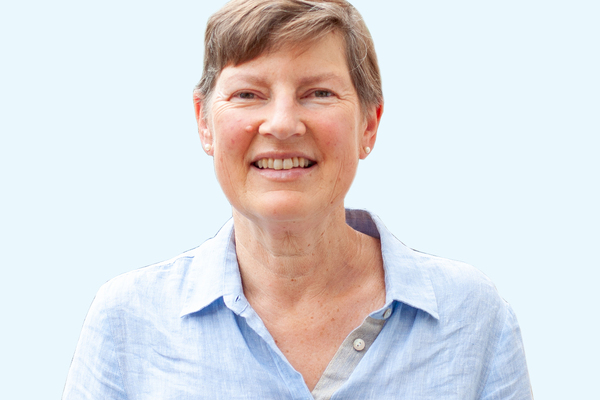
Jennifer Cirone is children and family support advisor at homelessness charity St Mungo’s Broadway.
Related stories