You are viewing 1 of your 1 free articles
 Kate Henderson
Kate Henderson is Chief Executive of the National Housing Federation (NHF), the voice of housing associations in England.
...moreContractors must be made to pay for defective buildings they constructed
A recent court case saw a contractor told to pay for repairing a building with serious fire safety defects. But not all social landlords have the means to go through the court and the government must step in, writes Kate Henderson


 A recent court case saw a contractor told to pay for repairing a building with serious fire safety defects. But not all social landlords have the means to go through the court and the government must step in, writes Kate Henderson #UKhousing
After years of campaigning against building safety costs, last month leaseholders finally gained legislative protection under the Building Safety Act.
This meant homeowners in buildings taller than 11 metres could no longer be charged for the costs of removing and replacing combustible cladding.
Alongside this, Michael Gove did an admirable job as housing secretary in taking on house builders, eventually securing pledges from these FTSE 250 companies that they would pay to fix the unsafe homes they built.
This was a huge step forward in holding those responsible for building unsafe homes to account and will protect many leaseholders, as well as not-for-profit housing associations, which would otherwise be forced to pay for these costs with funds intended to support people on the lowest incomes.
Unfortunately this is not the end of the saga. While house builders are now taking responsibility, contractors – which built homes with the same highly dangerous defects, such as combustible cladding and inadequate fire-stopping mechanisms to prevent the spread of fire between flats – are not.
Read more
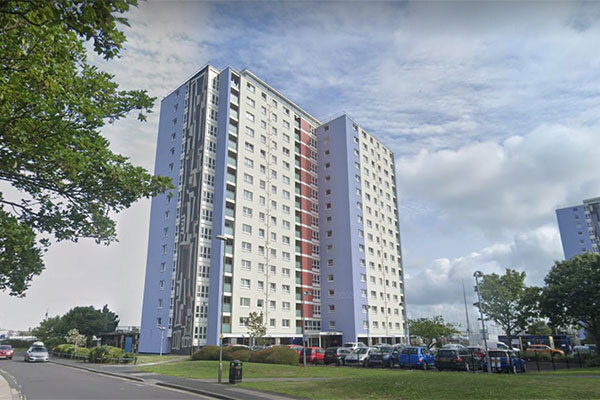
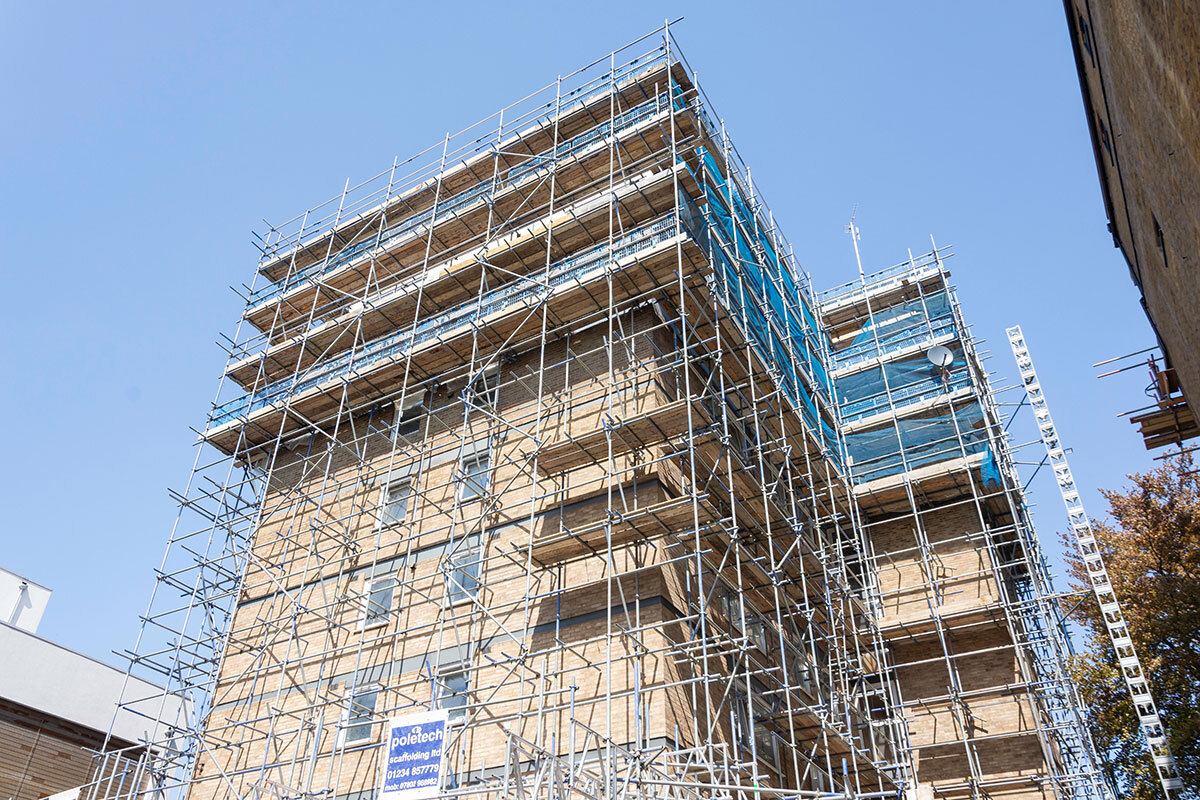
So what is the difference between a house builder and a contractor? Broadly speaking, house builders build on their own land and then sell the homes, whereas contractors are contracted to build on someone else’s land. In terms of responsibility for creating homes that are safe to live in, there should be no difference.
While the government has made it clear on several occasions that contractors should be paying for these costs – new housing secretary Greg Clark reiterated this recently in his first speech on the matter – many of these companies are categorically denying their responsibilities.
“These costs cannot be allowed to once again fall on the shoulders of innocent leaseholders and charitable organisations supporting those most in need”
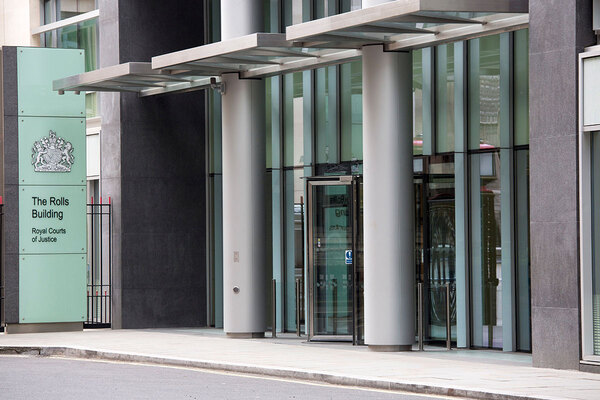
A few weeks ago, one of these cases came to a head. Hyde Group won a landmark case against building contractor Mulalley & Co, which was ordered to repay the housing association for the costs of replacing cladding on five tower blocks, as well as the costs of waking watch to alert residents of a fire.
This case was important. But practically speaking, many, particularly smaller housing associations, do not have the funds to take these companies to court. And it is unlikely that this case will be enough to force the hand of other contractors similarly liable.
I know of providers that have already spent several millions making a building safe, as well as close to a million in legal fees pursuing the contractor.
Despite being advised that they too would likely win a case in court, the additional costs of taking these contractors all the way to trial – in the several millions – could put them out of business. Indeed, this is often the tactic being employed: the contractors involved are banking on the providers running out of money before justice can be served.
Meanwhile, the funds committed so far are coming directly from the people social housing providers exist to support, originally intended to maintain homes and provide services for social and supported housing residents and provide new homes for homeless people.
This situation is unsustainable and has created a two-tier system based purely on luck of the draw.
Although leaseholder costs are capped, some will still end up receiving bills. With legal responsibility and existing pressure proving not to be enough, the government must step in. These costs cannot be allowed to once again fall on the shoulders of innocent leaseholders and charitable organisations supporting those most in need.
Mr Clark has made a promising start as housing secretary, announcing last week that he will be finalising pledges made by house builders to remediate buildings they constructed and confirming that the £3bn Building Safety Levy will not be reversed, despite the industry requesting this in a letter upon his appointment.
He must now build on Mr Gove’s legacy and negotiate with contractors, forcing these companies to step up and pay for the defective buildings that they constructed.
Kate Henderson, chief executive, National Housing Federation
Sign up for our fire safety newsletter

Already have an account? Click here to manage your newsletters
Related stories