Households given breathing space to settle council tax debts under government reforms
Households will be given longer to settle unpaid council tax debts under regulatory reforms, the government has confirmed.


 Households given breathing space to settle council tax debts under government reforms #UKhousing
The changes replace the current system, under which missing one monthly payment can leave households liable for the full annual bill within a fortnight. Under the new rules, households will have 63 days to settle arrears.
Councils will also be required to work with households to agree sustainable repayment plans, and billing periods will be extended from 10 to 12 months, although households can opt to continue paying over 10 months if they choose.
The reforms come after a consultation launched in June last year, and also include a £100 cap on the amount councils can charge when seeking a liability order.
Read more


The government also has powers to set out the steps councils must take before removing a person’s right to pay in instalments and moving to formal enforcement, typically including reminder notices and time to respond.
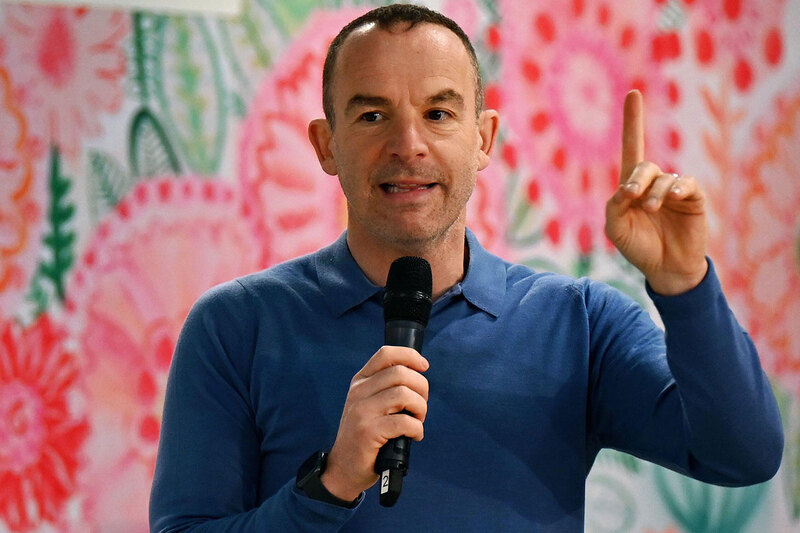
The changes are the first since 1993 after the government described the system as “outdated and [leaving] people facing unnecessary stress and anxiety”. They follow a campaign led by Martin Lewis, the money saving expert, and the Money and Mental Health Policy Institute to reform council tax debt collection.
Steve Reed, the housing secretary, said: “Too many families are facing aggressive enforcement action, with people left terrified of bailiffs knocking on the door because one month’s council tax bill was missed.
“We will stop this and make the system fairer by supporting families who fall behind. I want to thank Martin Lewis and his charity for their tireless campaigning, shining a light on this crucial issue affecting millions of people.”
Mr Lewis said: “It’s so aggressive it makes banks blush. It’s the most vicious and damaging form of legal debt collection out there – causing counterproductive misery for millions.
“We’ve spent the last 18 months campaigning hard to change this hideous system, and having seen so much pain caused by it, I’m genuinely moved by this huge first step towards making things better.
“If people cannot pay, within just three more weeks, they are often taken to court, have ‘admin costs’ added, and soon see bailiffs sent in. No commercial firm would be allowed to do anything close – constituents are treated worse than customers.
“For councils too, it is worth remembering that this system is often catastrophic for people’s finances and well-being, leaving many needing more help and support, and ultimately the same council has to pick up the pieces.”
The government said “proportionate action” will still be taken against those who deliberately avoid paying, but the reforms are aimed at supporting people in genuine hardship.
Ministers also said the name and definition of the ‘severely mentally impaired discount’ will be changed, subject to parliamentary time, to reduce stigma and improve access to support.
In partnership with disability charities and local authorities, a standardised application form will be introduced to streamline the process.
Sign up to Inside Housing’s Care and Support newsletter
Sign up to Inside Housing’s Care and Support newsletter, a fortnightly bulletin featuring care and support news and analysis.
Already have an account? Click here to manage your newsletters.
Related stories