Doing supported housing for refugees right
Social housing can be a transformative safety net for newly arrived refugees, but housing alone is not enough, says Fuad Mahamed, founder and chief executive of refugee and migrant housing provider ACH



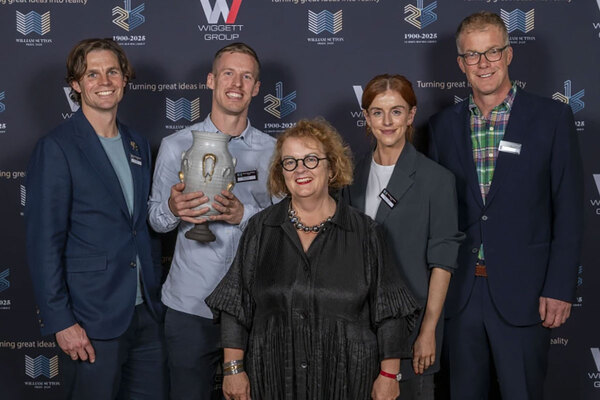
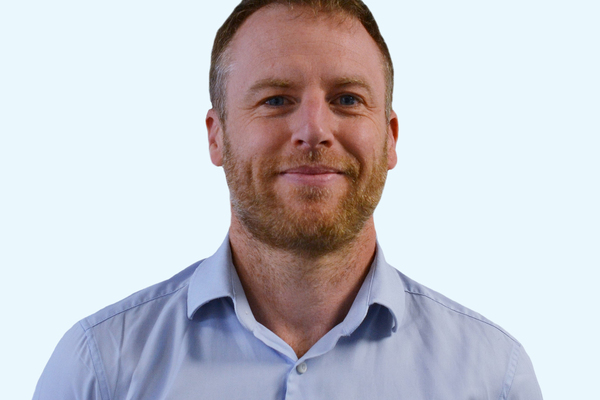
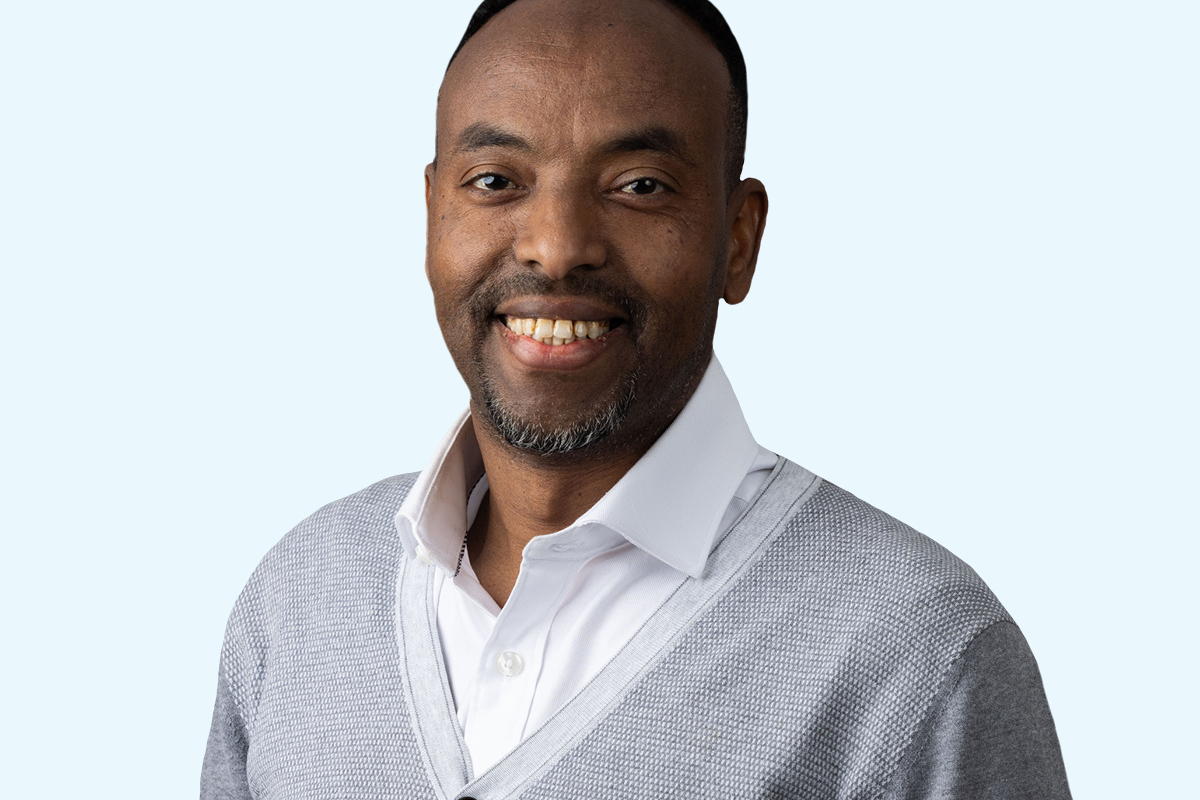
Fuad Mahamed is the founder and CEO of ACH
 Social housing can be a transformative safety net for newly arrived refugees, but housing alone is not enough, says Fuad Mahamed, founder and chief executive of refugee and migrant provider, ACH #UKhousing
Every year, we see the same pattern. Asylum seekers who have spent months, sometimes years, in Home Office accommodation being granted refugee status. That moment should be one of relief and hope. Instead, it’s often followed by crisis.
Once status is granted, individuals are required to leave asylum accommodation within a short timeframe. Because dispersal policies rarely connect people to areas where they have community ties, relevant skills opportunities or realistic access to social housing, many are left facing homelessness almost immediately.
In many cases, these individuals do not meet the threshold for statutory homelessness, which means local authorities do not always have a duty to house them.
At the same time, the private rented sector is often out of reach. Rents in cities, such as London and Bristol, far exceed Local Housing Allowance (LHA) rates, resulting in temporary supported housing playing a vital role in resettling, and ultimately, integrating refugees into society.
This is where social and supported housing is working well. Supported accommodation provides stability at a critical moment. It offers not just a roof, but structured help with English language development, employment readiness and mental health support where needed.
Read more

Yet there are aspects of the system that are not working as they should, and the day-to-day impact on refugees and migrants is often misunderstood.
One of the biggest challenges is perception. There’s a persistent narrative that social housing disproportionately serves newly arrived communities at the expense of others. The data tells a more complex story.
In Bristol, for example, around 25% of people on the housing register are from minoritised communities, broadly in line with their share of the population. Within that, refugee communities are disproportionately affected by homelessness, not because of preferential access, but because of structural barriers on arrival.
This nuance is often lost in public debate. Misunderstanding has real-world consequences, fuelling division and, as we have seen recently, unrest.
“If we are serious about enabling people to move on from supported housing more quickly and sustainably, we must focus on meaningful labour market integration”
Historically, institutional timidity has also been a main barrier. In a political climate where refugee policy has been contentious and, at times, hostile, some local systems have been slow to intervene early to prevent homelessness among those with newly granted status.
Alongside this, refugee community organisations that provide culturally competent, trusted and preventative services have been chronically underfunded. These organisations are often best placed to stop problems escalating, yet they operate with the least financial security.
Housing alone is not enough. If we are serious about enabling people to move on from supported housing more quickly and sustainably, we must focus on meaningful labour market integration.
Too many refugees are channelled into precarious, low-paid or informal work that does not reflect their skills or experience. Doctors drive taxis. Engineers work cash-in-hand shifts. This traps people in a cycle of low income and insecure housing.
We need targeted employment pathways that recognise overseas qualifications, provide bridging training and connect people to sectors facing labour shortages. When refugees can access meaningful employment, they can afford stable housing, contribute taxes and fully contribute to their local community.
“Poorly designed supported housing can become a form of ‘warehousing’ that results in refugees remaining in the same place for years without a clear pathway to independence”
The second element is transitional, or ‘move-on’ accommodation. At ACH, we’ve implemented models that sit between supported accommodation funded by the government and fully independent tenancies.
Residents have greater autonomy, but still benefit from light-touch support. In the areas where we’ve delivered this approach, outcomes have been consistently positive, with significantly higher rates of sustained independent living.
Supported housing, when done well, has enormous benefits. It can provide language development support and employment coaching among many other things. However, poorly designed supported housing can become a form of ‘warehousing’ that results in refugees remaining in the same place for years without a clear pathway to independence.
Our mission is to break that cycle with initiatives, including the Transitional Housing Project, which we’ve been delivering alongside Coventry City Council and the Coventry Refugee and Migrant Centre since 2024. The project adopts a holistic, integrated approach and is designed to support refugees in accessing sustainable employment and securing long-term housing.
So far, more than 30 individuals have secured employment and more than 15 have successfully moved into the private rented sector, demonstrating strong early outcomes in both housing stability and economic integration.
These are not isolated stories. They demonstrate what is possible when housing, employment and support are aligned around life-changing independence.
Fuad Mahamed, founder and chief executive, ACH
Sign up to Inside Housing’s Care and Support newsletter
Sign up to Inside Housing’s Care and Support newsletter, a fortnightly bulletin featuring care and support news and analysis.
Already have an account? Click here to manage your newsletters.
Related stories