You are viewing 1 of your 1 free articles
 Jan Taranczuk
Jan is an experienced housing professional, with more than 40 years’ experience spanning local authorities, housing associations, and ...more
Extra contact with residents during the pandemic is an opportunity to consider tailored fire risk assessments
For some older and more vulnerable residents, an individual fire risk assessment is the way forward. These have only typically been used in supported and sheltered accommodation, but it could be appropriate for many in general needs housing. Jan Taranczuk considers how the pandemic has provided the opportunity to plug this fire safety gap


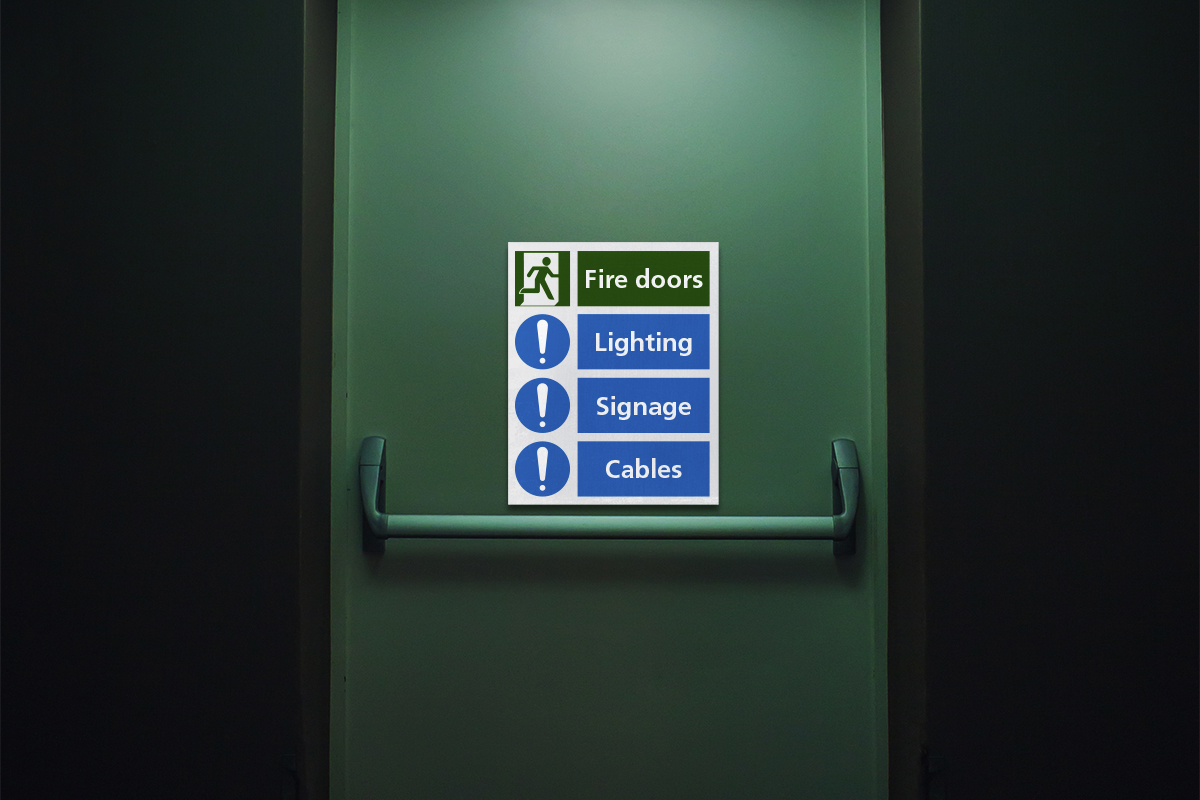 Extra contact with residents during the pandemic is an opportunity to consider individually tailored fire risk assessments, says @Jantaran #UKhousing
Housing providers have been on the frontline of the coronavirus crisis, effectively responding to their tenants’ immediate needs.
As a result, many now have a greater insight into their residents’ varying levels of vulnerability than ever before, which, from a fire safety perspective, presents a window of opportunity.
Targeted approach
Historically, person-centred fire risk assessments (PCFRAs) have been undertaken and prioritised to housing schemes that by their nature have already been identified as presenting high-risk characteristics. This has primarily centred around sheltered, supported and extra-care housing, where the number of fire-related injuries and fatalities recorded is disproportionately higher.
However, an ageing population means more people are continuing to live in general needs housing, presenting a number of challenges for social landlords, particularly in relation to identifying residents that require intervention as well as knowing how to mitigate any known risks.
Read more



In response to this, more housing providers are taking the approach to roll out PCFRAs as standard practice. This is something that has been encouraged by the likes of the London Fire Brigade (LFB), which has been actively promoting the assessment’s use to all of its partners, while emphasising the benefits of a targeted approach for fire safety.
From conversations I’ve had, including at a panel discussion I chaired during lockdown, my understanding is that a lack of up-to-date knowledge regarding vulnerability and failure to properly assess any possible fire risks means that additional fire protection measures are often not considered.
Changing focus
This was emphasised by a member of the panel, Tracey Hall, community safety policy and projects manager at the LFB, who played a pivotal role in the creation of the organisation’s PCFRA. She explained that despite the various checks carried out by housing providers on tenants and their homes, very few consider fire safety in their initial assessments.
A PCFRA can therefore be a really powerful tool for helping social landlords – and any agencies – with triaging risk and then identifying the right interventions and prioritising them accordingly.
“By proactively attempting to contact all residents at the start of lockdown, councils like the London Borough of Enfield have been able to engage with tenants and consider their needs beyond the crisis”
PCFRAs can assist in saving lives as they take into account the needs of the individual and recognise that one person may need something completely different from another.
This is particularly important as the Building Research Establishment’s research which examined fire deaths and injuries in Scotland concluded that: “The expectation that a fire alarm system will activate, inform the fire rescue services so they then arrive in time to tackle the fire and save lives, is unrealistic for elderly and vulnerable people.”
For social landlords, current attention regarding fire safety has been rightly focused on the government’s approach to cladding. However, the scope of buildings that will be covered in future legislation is likely to be expanded beyond the type or height of a building to consider other risk factors such as occupation.
I’m of the opinion that a risk-centred approach that incorporates a person-centred focus should always be taken, and it will become even more important after the Fire Safety Bill consultation has concluded and we have a new set of rules within the Regulatory Reform (Fire Safety) Order based on the recommendations of the Grenfell Tower Inquiry.
Changing approach
By proactively attempting to contact all residents at the start of lockdown, councils like the London Borough of Enfield have been able to engage with tenants and consider their needs beyond the crisis. As a result of these proactive welfare calls, Enfield is making further contact with their most vulnerable tenants that would be most likely to benefit from a PCFRA.
While I believe approaches such as this will become necessary to identify existing residents whose situation may have changed and further support is required, I believe processes for new tenants – including homeless families in temporary accommodation – must be adopted to ensure the risks and responsibilities are clearly understood, leaving no room for misinterpretation.
Understanding responsibilities
One way of managing this would be for the tenancy officer carrying out the first home visit to include some further checks. Ensuring that the family’s circumstances are clearly understood with regards to knowing what to do if a fire occurs and their ability to escape – this was also a recommendation from the Lakanal House coroner in 2013. Any concerns identified can then be referred to the fire safety team.
This would also enable housing providers to mitigate any unintended consequences of medical advice that supported the housing application if it had stated “can be housed above the ground floor if there is a lift”.
Of course, anyone identified as not being able to easily escape from their home in the event of a fire would benefit from having a personal emergency evacuation plan in place, but this would only be practical if there are staff on site 24 hours a day, seven days a week.
Wider adoption
For those living in general needs housing, social landlords will need to seek additional and practical measures such as preventative technologies to ensure adequate protection for their most vulnerable residents.
While housing providers have been exceptional at ensuring their residents, particularly those considered to be vulnerable, get the support they need through this challenging time, my hope is that many of the lessons learned from taking this approach will be adopted long term.
In doing so, housing providers will be in a position to better tackle fire safety – an issue which, let’s face it, isn’t going away any time soon.
Jan Taranczuk, strategic housing advisor, Plumis
Related stories