You are viewing 1 of your 1 free articles

Jules Birch is an award-winning blogger who writes exclusive articles for Inside Housing
For those in temporary accommodation and private rents, there’s still miles to go
Recent legislation led by Michael Gove’s department aims to drive up housing standards, but there is still so much further to go on private rented homes and temporary accommodation, says Jules Birch


 Recent legislation led by @michaelgove’s department aims to drive up housing standards, but there is still so much further to go on private rented homes and temporary accommodation, says @Jules_Birch #UKhousing“Why is there no ombudsman for private renters to complain to except if their landlord or letting agent has signed up voluntarily with the social housing one?” asks @Jules_Birch #UKhousing
‘Making things right’ is the government’s theme of the month for housing, and two new pieces of legislation represent significant steps in that direction.
Unfortunately, they also beg some real questions about what’s happening, and not happening, elsewhere.
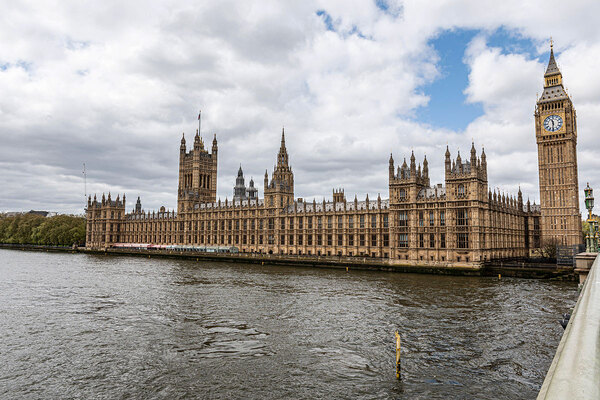
The Social Housing (Regulation) Bill passed its final hurdle before Royal Assent, with its third reading in the House of Commons on 1 March. The proactive consumer regulation regime and inspections that were dropped in 2010 will now be restored.
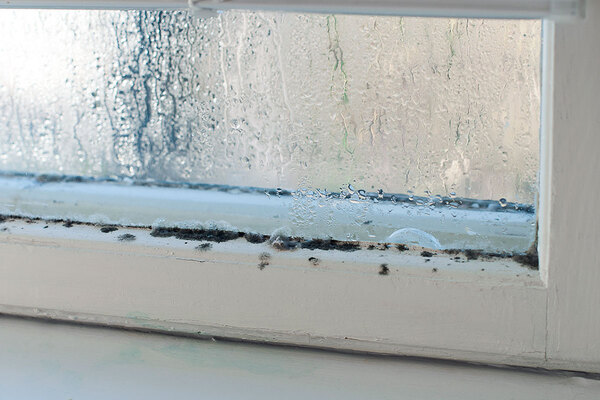
While its long-term impact remains to be seen, the bill was considerably strengthened by last-minute government amendments to implement ‘Awaab’s Law’ time limits for landlords to investigate and fix damp and mould problems and to mandate professional standards for social housing staff.
On 3 March, the Supported Housing (Regulatory Oversight) Bill got its third reading in the Commons before moving on to the Lords.
The private members’ bill introduced by Conservative MP Bob Blackman (also the architect of the Homelessness Reduction Act in 2017) aims to stop the exploitation of vulnerable tenants by rogue landlords in the exempt accommodation sector.
The two bills, and the spirt of cooperation in the debates on them, highlight a significant change in attitudes within government since Grenfell.
“Real progress depends not just on legislative intent, but also on finance and what happens in the rest of the housing system”
That change was first evident in the success of another private members’ bill, the Homes (Fitness for Human Habitation) Act introduced by Labour MP Karen Buck. It received Royal Assent in 2019, just three years after the government had abruptly rejected a similar amendment to its own Housing and Planning Bill.
Back in 2016, the justification for rejection given by Marcus Jones, the housing minister at the time, now reads like something from a different era. As he put it: “Of course we believe that all homes should be of a decent standard and all tenants should have a safe place to live regardless of tenure, but local authorities already have strong and effective powers to deal with poor quality and unsafe accommodation and we expect them to use them.”
If that statement seemed hopelessly inadequate at the time, the need for the latest legislation makes it only too clear.
Read more

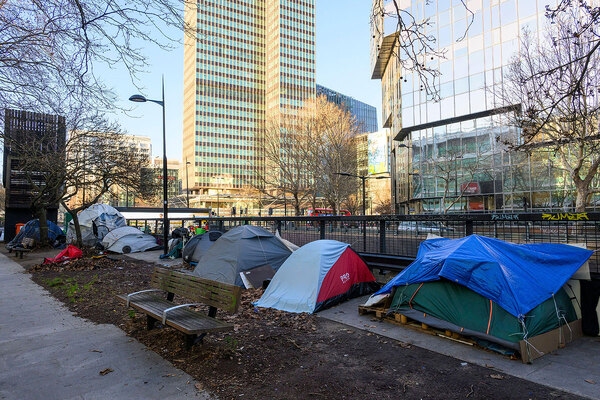
However, as the 99,000 homeless families and 126,000 children languishing in temporary accommodation while waiting for non-existent social housing can testify only too clearly, real progress depends not just on legislative intent, but also on finance and what happens in the rest of the housing system.
The debates on the two latest bills revealed some welcome flexibility in government thinking, most clearly in Awaab’s Law, but also in the amendment on professional standards that it had previously rejected on the spurious-sounding grounds that it could trigger another Office for National Statistics reclassification of housing association borrowing.
But that’s where the questions start. Take, for example, the Make Things Right advertising campaign launched by Mr Gove last week.
“Why is there no ombudsman for private renters to complain to except if their landlord or letting agent has signed up voluntarily with the social housing one?”
In a Department for Levelling Up, Housing and Communities (DLUHC) press release, the housing secretary cites the amendments on damp and mould and professionalisation as examples of “decisive action” taken to protect tenants.
“We are shining a light on rogue landlords that ignore their tenants time and again and allow families to live in disrepair,” he says. “This campaign will make sure tenants know their rights and how to make a complaint – giving them the confidence to go to the ombudsman and ensure action is taken.”
So far, so good, but why just social tenants, when we know that rogue landlords, disrepair, and damp and mould are far more prevalent in the private rented sector?
A recent report by Citizens Advice estimates that 2.7 million private renter households and 1.6 million children are living in cold, damp or mouldy homes, and calls for Awaab’s Law to be extended.
Why is there no ombudsman for private renters to complain to except if their landlord or letting agent has signed up voluntarily with the social housing one?
True, the government is promising to scrap Section 21 evictions and is consulting on extending the Decent Homes Standard, but merely asking the questions highlights the absence of rights that consumers in other markets take for granted.
Perhaps the justification is that social tenants are more “vulnerable” and that “social” landlords should be held to higher standards, but we also know that the need for social housing hopelessly outstrips supply and that poor and disadvantaged households are concentrated at the worst end of the private rented sector.
“Data from the national child mortality database found that temporary accommodation was a ‘contributing factor’ in the deaths of 34 children, most of them less than a year old, between 2019 and 2021”
And what about those families stuck in temporary accommodation? An amendment proposed by Labour MP Siobhain McDonagh in the debate on the Social Housing (Regulation) Bill would have tightened up regulation of the enforcement of the homelessness code of guidance for temporary accommodation.
In theory, the code should ensure that temporary accommodation is suitable for families and children. In practice, councils face overwhelming demand and lack the resources and the staff to ensure it is suitable, let alone the permanent social housing to replace it.
Ms McDonagh is chair of the All-Party Parliamentary Group on Households in Temporary Accommodation. She quoted data from the national child mortality database that found temporary accommodation was a “contributing factor” in the deaths of 34 children, most of them less than a year old, between 2019 and 2021. The most likely cause was a lack of safe sleeping provision such as cots, but other explanations are damp and mould and overcrowding.
She cited multiple breaches of the code, from a mother and newborn baby placed in a hostel where she was the only woman, to the inevitable cases of disrepair, damp, mould, mice and cockroaches.
There are 26,000 families in temporary accommodation outside their local area, meaning they have to move miles away from work, school, friends, family and places of worship. Research from Shelter last week shone a new light on the impacts.
Dehenna Davison, the levelling-up minister, rejected the amendment on the grounds that it was outside the scope of the bill, but pledged that “we will certainly explore it with [Ms McDonagh] to make sure that we drive up standards in temporary accommodation as well”.
Those standards will be needed more than ever with budgets for new permanent homes under pressure from soaring costs, below-inflation rent rises, the Right to Buy and the investment required in existing stock. This at a time when the DLUHC is reporting significant underspending on major housing programmes.
The good news in the past month represents real progress, but also highlights how much there still is to be done.
Sign up for our care and support bulletin
Already have an account? Click here to manage your newsletters
Related stories