You are viewing 1 of your 1 free articles
Almost half of homeless children forced to move schools due to living in temporary accommodation
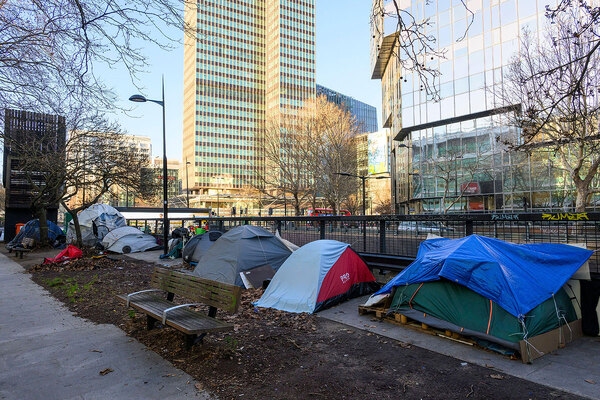
Almost half of families with school-age children have been forced to move schools as a result of living in temporary accommodation, according to new research by Shelter.


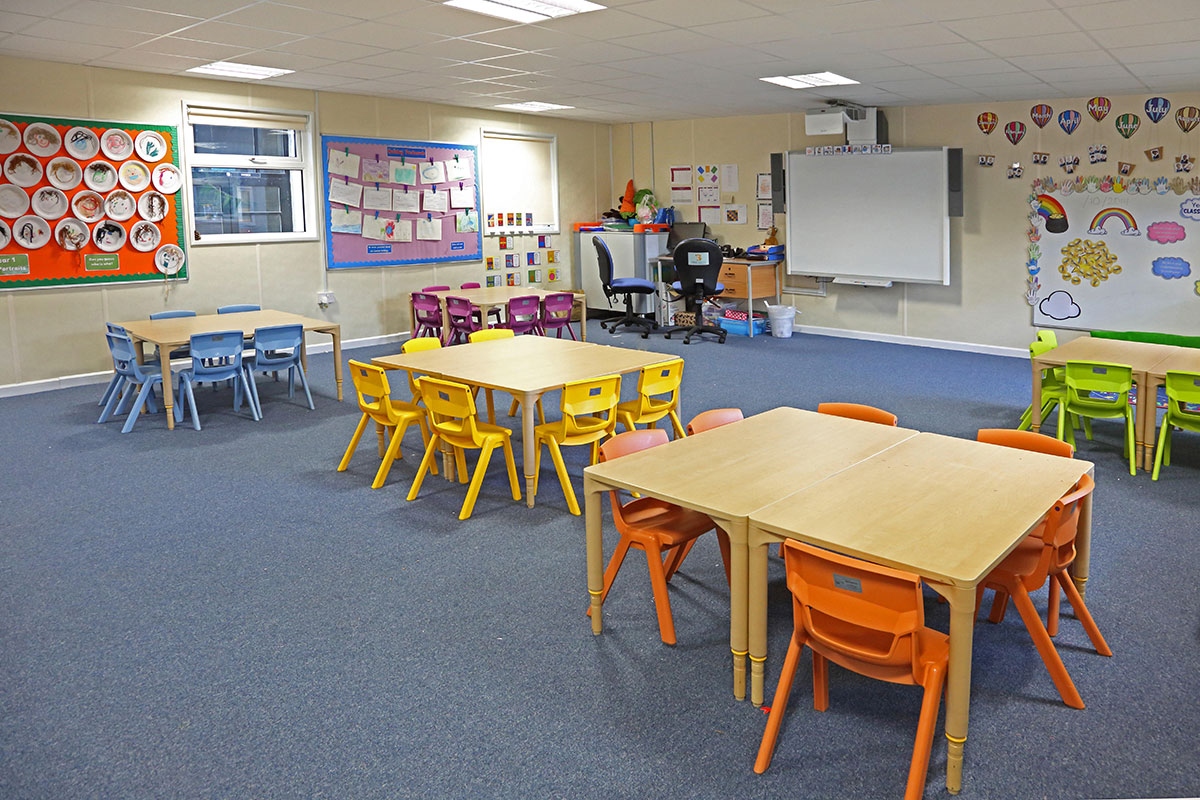 Research by @Shelter has revealed the disruptive impact living in temporary accommodation has on school-age children #UKhousing
The homelessness charity found that 47% of these families had to find new schools after being moved into temporary accommodation, and more than a quarter (27%) were sent over an hour away from where they used to live.
Shelter’s survey recorded the experiences of more than 800 homeless families with 1,600 children living in temporary accommodation throughout England.
This type of accommodation is provided by councils to families who are homeless and qualify for support. It can include staying in emergency hostels and bed and breakfasts.
Shelter pointed out that the acute shortage of affordable homes means families are often stuck in temporary accommodation for months or years on end, and that families living in temporary accommodation are often required to move numerous times at short notice.
Read more

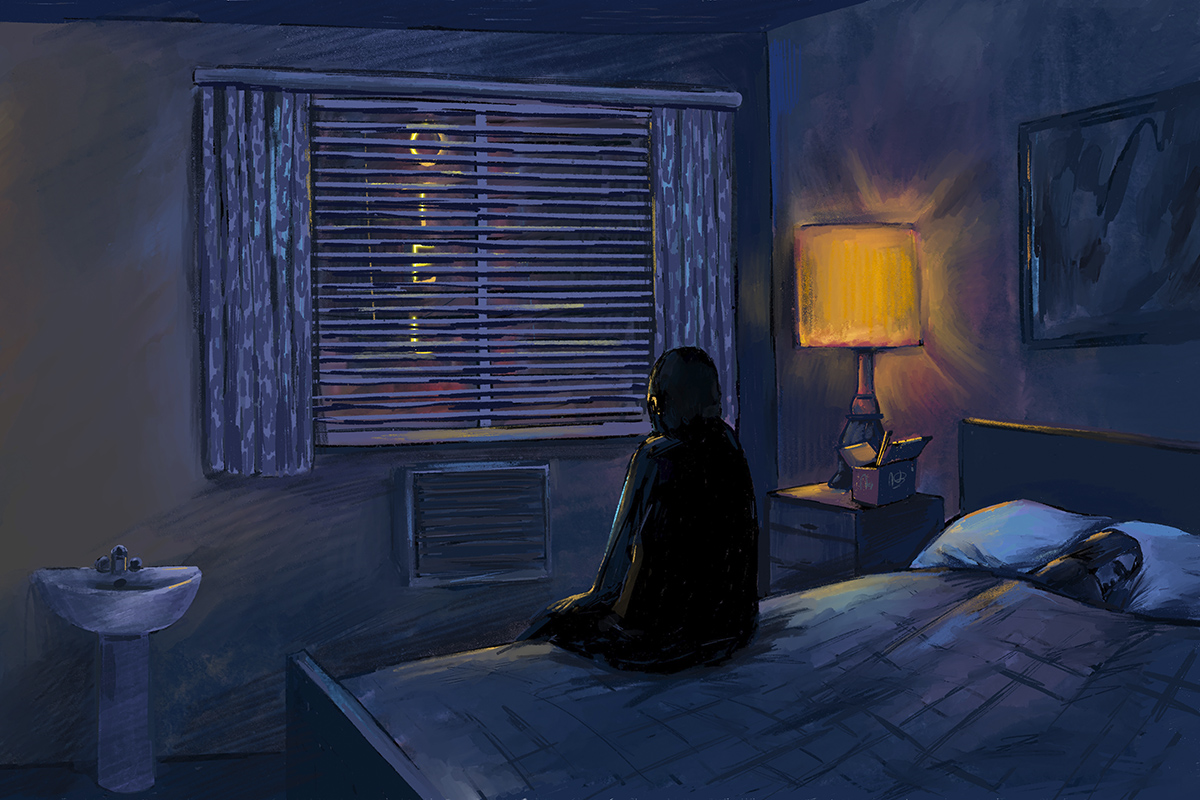
The charity’s report also revealed that over a fifth (22%) of homeless children have to move school multiple times as a result of living in temporary accommodation.
For those living in temporary accommodation, more than half (52%) of homeless children of school age have missed days of school as a result. Of these, over a third (37%) have missed more than a month of school.
Just over six in 10 (62%) households were given less than 48 hours’ notice when they were last moved between temporary accommodation placements, and one in 10 (11%) said they have had to stop working altogether as a result of living in temporary accommodation.
The latest government data shows there are 125,760 homeless children living in temporary accommodation with their families in England today – a 67% rise in 10 years – according to Shelter.
The charity described it as “staggering” that £1.6bn was spent on temporary accommodation last year – a rise of 61% in five years.
Inside Housing’s own research, published at the end of last year, revealed that more than 26,000 children under five are homeless and living in temporary accommodation in England.
An additional investigation this week revealed that a lack of one-bedroom accommodation in Wales has resulted in the number of single-person households presenting as homeless and being placed in temporary accommodation increasing by 258% in five years.
Shelter shared the experience of Lily, 29, and her two children aged one and six who live in Bristol in a one-bed flat.
They were forced to leave their private rented home when they were served a Section 21 ‘no fault’ eviction notice. Unable to find another rental they could afford, the family had to live in hotel rooms for months, before being moved to temporary accommodation on the other side of the city, miles away from her children’s school.
Lily said: “When we were put into temporary accommodation after losing our home, the council said it could be for two weeks, or a year. We’ve been here since November now.
“Before that we were in hotels – we’d be there for a week, then have to pack everything up and check out. I’d have to take the kids to school with all the suitcases, with no idea where we’d be next until much later that day. It was a nightmare and so unsettling for the kids.
Shelter expects thousands more families will become homeless as the cost of living crisis worsens.
The charity is calling on the government to unfreeze housing benefits immediately to prevent many more families ending up in temporary accommodation, and to build more social housing in the long run to end homelessness for good.
Polly Neate, chief executive of Shelter, said: “Living in temporary accommodation is hugely traumatic. Homeless families’ lives are being derailed as they’re shunted from one place to the next, often with little notice to pack up their lives and pull their kids out of school.
“The government’s total inaction on housing benefit and failure to build social homes means people are becoming homeless and staying homeless. Housing benefit is supposed to stop people from losing their homes, but it’s been frozen since 2020 despite record-high rents. Once people become homeless there’s no way out without the social homes to move into.
“To stop more families from having their lives disrupted and devastated, the government must urgently unfreeze housing benefits so people can afford to pay their rent. But to break the cycle of homelessness for good, investing in quality social homes that enable families to put down roots and thrive, is an absolute necessity.”
The government has been contacted for a response.
Sign up for our homelessness bulletin

Already have an account? Click here to manage your newsletters
Related stories