You are viewing 1 of your 1 free articles
Gender equality in construction must go beyond just representation
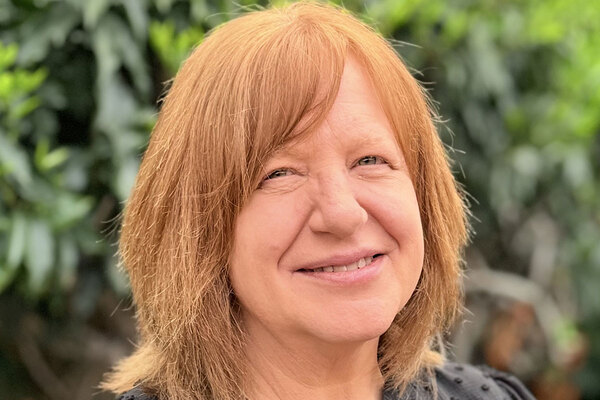
For International Women’s Day 2026, Mary Parsons, regeneration and partnerships director at Lovell Partnerships, sets out why systems and culture, not quotas, can turn the dial


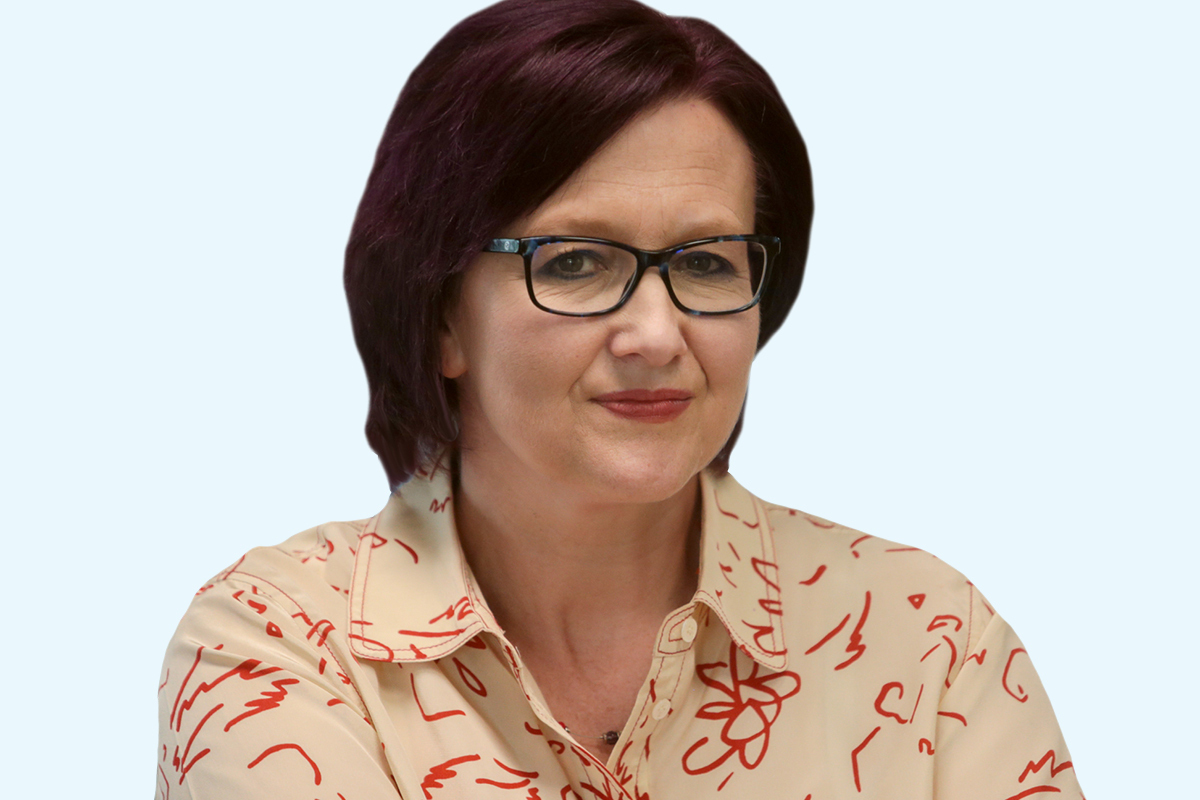
Mary Parsons is regeneration and partnerships director at Lovell
 For International Women’s Day 2026, Mary Parsons, regeneration and partnerships director at Lovell Partnerships, sets out why systems and culture, not quotas, can turn the dial #UKhousing
Many years ago – more than I probably care to remember – I went to my first employer’s client Christmas lunch. I was newly promoted, still finding my feet, and this event was the big one on the calendar. As I looked around the sea of more than 100 people, it quickly became clear: I was the only woman there.
To make matters worse, when it came to the toast, the host announced “lady and gentlemen”. The following year, it became “Mary and gentlemen”.
Not exactly putting me at ease.
So why share this story for International Women’s Day? Because while women are still underrepresented in construction, it’s important to recognise how far the industry – and particularly the housing sector – has come, even while acknowledging there’s still plenty of progress to make.

When I look at the senior leadership teams across Lovell and our parent company, Morgan Sindall Group, I’m certainly not alone. We have many women in senior roles across the group. That doesn’t mean the work is done, but it does show how far we have come.
Because increasing the number of women in our sector isn’t about hitting targets or ticking boxes. It’s about understanding the skills, thinking and leadership we bring.
Diversity isn’t only about gender, race or background – it’s also about diversity of thought. At Lovell, our board discussions are richer because we have many different perspectives around the table. It leads to better debate, healthier challenge, consensus building and stronger decisions.
“I may have been one of a comparatively small number of women, but I never felt discriminated against”
From time to time, the suggestion of quotas or women-only shortlists comes up. Personally, while I respect the intention behind them, I’m not convinced they create the long-term cultural change our sector needs.
When I started in construction, I may have been one of a comparatively small number of women, but I never felt discriminated against – though I do accept that was certainly not everyone’s experience. I was part of the team, doing my job, and every promotion came on merit. My colleagues were genuinely pleased for me and no one ever said, so far as I’m aware, “she only got that job because she’s female”.
Across my career, I would hate to have been denied an opportunity because I’m a woman – but I’d hate even more to be given one solely because of my gender.
So, if quotas aren’t the answer, what does move the dial on equality? At Lovell, we’ve looked beyond headline numbers to understand where things work well and where we could do better. We make positive interventions at four key stages in someone’s career pathway with us.
First, attraction: are we attracting a diverse range of applicants? If not, we need to cast the net wider, rethink where we advertise and value transferable skills and attitude as much as traditional experience.
We also need to change how we describe our industry. If we shift from focusing on numbers of “units” and the bricks and mortar to highlighting our impact on people’s lives and communities, we will appeal to a wider group of potential candidates.
Then, if diverse applicants aren’t being appointed, we look at the recruitment and selection process. That means addressing unconscious bias and making sure recruiting managers feel supported, so they don’t default to just ‘recruiting in their own image’ – the perceived ‘safe bet’.
“Attraction is only one piece of the puzzle; we also must be the kind of employer people want to stay with”
Retention is also a big challenge across the construction industry. I was told recently that half of all new construction apprentices don’t complete their apprenticeship, and of those who do, half leave the industry within five years. Attraction is only one piece of the puzzle; we also must be the kind of employer people want to stay with. We must be a place where employees feel supported, valued and included from day one.
Progression isn’t always about capability; sometimes it’s about where you are in your life at the time. In a previous role, I often held exit interviews with talented female middle managers who were leaving – not due to lack of ambition, but because the next step was often a national role involving extensive travel.
Often their children were still young, so it wasn’t the right move – and it’s not only mums that feel that. The question then became how do we create more meaningful opportunities that gave them the career they earned – and the family life they wanted – without expecting them to compromise either?
On International Women’s Day, we should celebrate the incredible contribution women make to our industry, and particularly the housing sector, which at its roots has female pioneers like Octavia Hill, Etheldred Browning and Henrietta Barnett. But we should also recognise that there’s still more all of us can do to champion equality and create opportunities for those who want to follow us on the path we chose.
Like many, I fell into this sector more by chance rather than design and it was the best thing I could have done. I’ve been so fortunate to be supported throughout my career and my hope is that in five years’ time, we’ll be able to look back and see just how much further we’ve progressed on this journey.
Mary Parsons, regeneration and partnerships director, Lovell Partnerships
Sign up to Inside Housing’s Daily News bulletin
Sign up to Inside Housing’s Daily News bulletin, featuring the latest social housing news delivered to your inbox.
Already have an account? Click here to manage your newsletters.
Related stories