ao link

You are viewing 1 of your 1 free articles

Nature is already reshaping resident experience, whether we like it or not

Nature is increasingly tied to overheating complaints, insurance risk, resident well-being and long-term asset resilience, writes Francesca Lee, founder and chief executive of Social Value Architect

Linked InTwitterFacebookeCard
Sharelines

LinkedIn IHNature is increasingly tied to overheating complaints, insurance risk, resident well-being and long-term asset resilience, writes Francesca Lee, founder and chief executive of Social Value Architect #UKhousing

You will have seen the effects of climate change in recent times, with extreme cold in the winters and extreme heat in the summers. All of which our homes are not equipped to deal with.

Our gas heating is in overdrive and sleeping becomes an issue with extreme heat as our homes have little in the way of air conditioning. Cooling with windows open or perhaps in a tent in the garden are the current solutions!

Today, when housing providers talk about sustainability, the conversation usually starts with carbon. Retrofit programmes. Energy Performance Certificate targets. Heat pumps. Funding gaps. All important – but increasingly incomplete.

But there is another issue quietly reshaping risk, cost and resident experience across housing portfolios – nature.


Read more

As we focus on warm homes, do we risk homes that are too warm?As we focus on warm homes, do we risk homes that are too warm?
Overheating: the silent crisis our systems are ignoringOverheating: the silent crisis our systems are ignoring
Trees are nature’s climate solutionTrees are nature’s climate solution

Nature is no longer just about landscaping, green space or planning compliance on new developments. It is increasingly tied to overheating complaints, flooding and insurance risk, resident well-being, estate maintenance costs, retrofit success and long-term asset resilience.

For housing providers, this means one thing: nature has become an operational issue, not an environmental add-on.

When we say “nature” we do not mean biodiversity in the abstract. We mean the trees that provide shade and cooling in summer, green space that residents can actually use, soil and drainage that determines whether estates flood and spaces that feel safe and cared for. The everyday nature that surrounds our homes.

“Those who have invested in sustainable drainage, tree planting and permeable surfaces are finding they cope better – and spend less responding to emergencies”

And for housing providers, it is becoming impossible to ignore. Many housing teams are already dealing with nature-related issues – they just don’t always call them that.

It’s all in your complaints data. Common examples include: overheating complaints on estates with little tree cover, flooded paths, bin stores or ground-floor homes after heavy rain, poorly drained green space that becomes unusable, and residents reporting anxiety, isolation or lack of outdoor space.

Nature’s impact on climate change has become a risk factor. In the past 12 months, in the UK alone we have experienced unprecedented heatwaves and intense rainfall. This is becoming the norm. For housing providers, this has consequences when existing infrastructure is unable to adapt for these changes.

Examples include hard landscaping that increases surface water flooding, poorly designed estates that struggle to cope with heavy rain, older drainage systems that are continually overwhelmed, poorly ventilated homes at risk of mould, increases in energy bills as buildings cannot be heated adequately in the extreme cold, and old pipe networks that can no longer cope with the expansions and contractions caused by the extreme weather.

With these changes, there will be a rise in insurance premiums and reactive maintenance costs for housing providers. Those who have invested in sustainable drainage, tree planting and permeable surfaces are finding they cope better – and spend less responding to emergencies.

The cheapest form of climate adaptation available can be nature. Why not use it to adapt to the climate crisis and in turn reduce carbon emissions?

“Several UK housing associations have transformed under-used grass areas into community gardens, biodiverse spaces and informal play areas, designed with residents rather than imposed on them”

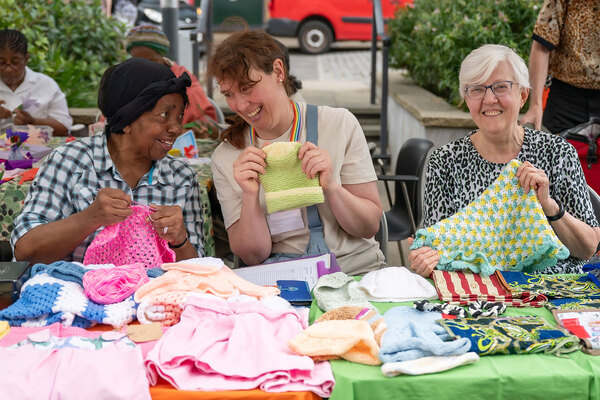
For residents, sustainability is not an abstract concept; it is lived experience. Several UK housing associations have transformed underused grass areas into community gardens, biodiverse spaces and informal play areas, designed with residents rather than imposed on them.

But not all “green” initiatives are helpful. Red flags include planting schemes with no long-term maintenance plan, nature commitments that rely on volunteers alone, claims about “green estates” with no evidence, ignoring resident behaviour and preferences and treating nature as a one-off capital project.

Nature needs ongoing management, just like homes do. Having green initiatives that integrate nature should always be treated as a long-term initiative. It will yield benefits beyond just a reduction in costs or an increase in profits.

Handled well, nature can reduce long-term costs, improve residents’ well-being and strengthen communities. Handled badly, it can increase the risk of flooding, complaints, insurance claims and, ultimately, reputational damage for the housing provider.

You don’t need to become ecologists. But you do need to recognise that nature is already shaping your risk, costs and resident experience.

Francesca Lee, founder, Social Value Architect 


Sign up to Inside Housing’s Sustainability newsletter


Sign up to Inside Housing’s weekly Sustainability newsletter, featuring our in-depth coverage of the sector’s journey to delivering net zero.

Click here to register and receive the Sustainability newsletter straight to your inbox.

And subscribe to Inside Housing by clicking here.

Already have an account? Click here to manage your newsletters.

Linked InTwitterFacebookeCard
Add New Comment
You must be logged in to comment.