You are viewing 1 of your 1 free articles

Preparing for the RSH’s stronger consumer regulation
Kate Dodsworth outlines what social landlords should expect from the English regulator’s new consumer regulations, and what the inspections will entail


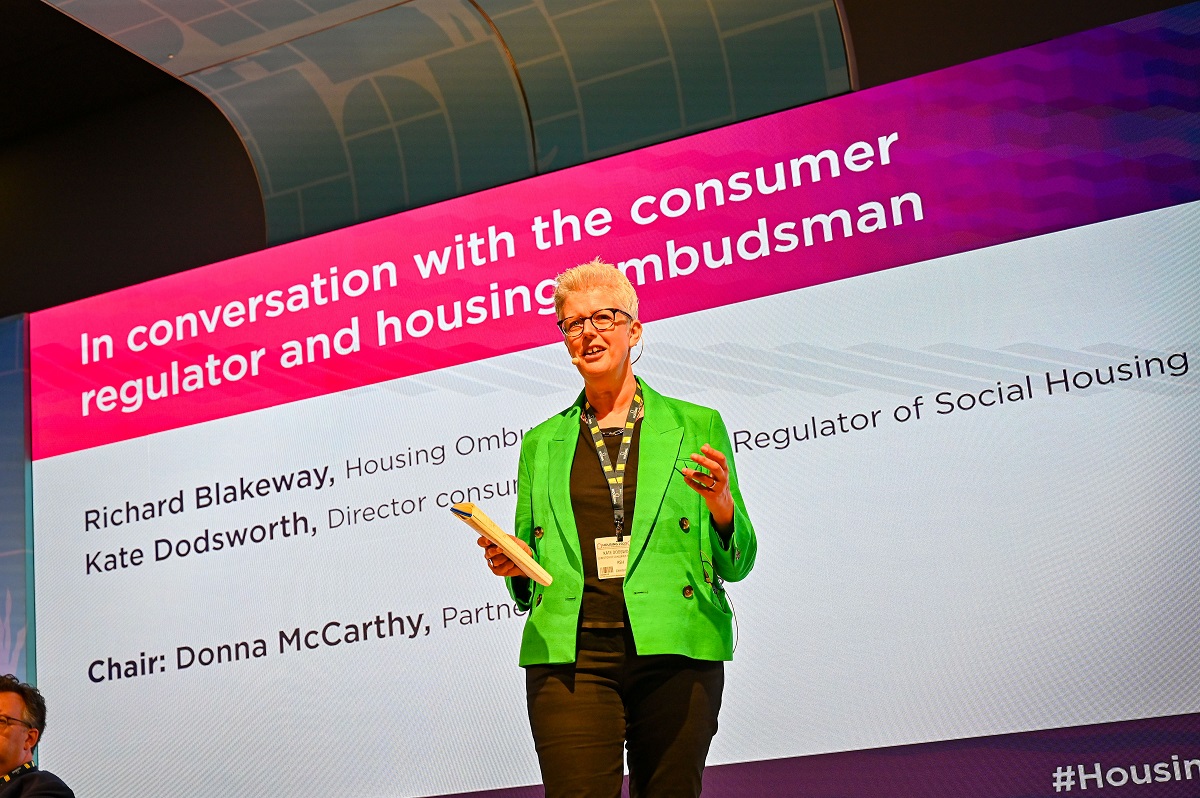 Kate Dodsworth outlines what social landlords should expect from @RSHEngland’s new regulation, and what the inspections will entail #UKhousing
Social landlords need to provide safe, good-quality homes and services for their tenants. In the end, that is what it all comes back to. The green paper, white paper, and now the Social Housing (Regulation) Act are underpinned by this core message – and so is our regulation.
At the Regulator of Social Housing, we’re working hard to put the act into practice. From launching the tenant satisfaction measures (TSMs) earlier this year to consulting on our new consumer standards, we’re gearing up for our stronger role. The sector needs to get ready, too.
We’re often asked by landlords how they can prepare and, in particular, what our inspections will look like. Here’s a quick run-through of where we are at this stage.
Read more


We’re developing and testing our framework now. We’re running a pilot scheme with housing associations and local authorities to work out the nuts and bolts, and we’ll spell out the full detail next year before the inspections start.
But we can already give some clear pointers. For housing associations, the inspections will cover viability and governance, as well as the consumer standards – building on our existing in-depth assessments. For local authorities the inspections will be standalone.
For both types of provider, the sequence will broadly go like this: we’ll give notice before we arrive and then set out the scope for the inspection, along with requests for information. We’ll then look at a range of data to see what it tells us about how the landlord is delivering the outcomes in the standards.
“For housing associations, the inspections will cover viability and governance, as well as the consumer standards – building on our existing in-depth assessments”
We’ll observe meetings and speak with key people including tenants, board members (for housing associations) and lead councillors (for local authorities).
We’ll also test how landlords are making important decisions and managing risks. We’ll always follow up and ask for more information where there are significant gaps.
People also ask how we’ll communicate the outcome of our inspections. We know from tenants that they want something clear, simple and direct – like our current approach for viability and governance. We expect that our consumer regulation gradings will be similar.
Yet inspections are only one (important) part of our new toolkit. We’ll also scrutinise TSM results and other sets of data that landlords submit to us through the year and carry out reactive engagement. There are also a range of new and stronger enforcement powers at our disposal, should we need to use them.
To really get into the best starting position, landlords should think beyond the inspection process and look at the bigger picture. To do this, it’s important they read our draft consumer standards and code of practice, which set out the outcomes we expect landlords to deliver.
They set a very clear direction of travel on our expectations. We just finished consulting on them, and we’re carefully working through the feedback before we publish the final versions. But the core themes will stay the same. We’ll want to see evidence that landlords are providing safe, decent homes for their tenants, listening to tenants and treating them with fairness and respect, and putting things right promptly when required.
“In getting ready, landlords need to look beyond the processes and practicalities and also focus on the broader vision that underpins the new framework”
Through our existing regulation, we see that the best-performing landlords often achieve these outcomes by having the right systems and processes in place. They triangulate a range of data to identify and resolve problems quickly, and use it strategically in the design and delivery of the services they provide to tenants. These processes can take time to embed and get running – so landlords should act now if they still have work to do.
And landlords shouldn’t lose sight of our existing consumer standards. Even the strongest organisations can benefit from fully reviewing their current position. If a landlord isn’t completely sure they meet our existing standards, how can they expect to meet the new ones?
All of this puts a strong focus on the quality of existing homes and services. But landlords will also want to build much-needed quality homes for the future. This will continue to be a core responsibility after we switch on our new approach in April 2024.
The Social Housing (Regulation) Act is a real game-changer for the sector and, crucially, will make a meaningful difference for tenants. In getting ready, landlords need to look beyond the processes and practicalities and also focus on the broader vision that underpins the new framework. We’re excited to deliver our new role, and we know that most landlords also welcome the positive change it will bring.
Kate Dodsworth, chief of regulatory engagement, Regulator of Social Housing
Sign up for our regulation and legal newsletter

Already have an account? Click here to manage your newsletters
Related stories