MHCLG ‘considering improvements’ to shared owner model after less than 1% staircased to 100% in 2024-25
The Ministry for Housing, Communities and Local Government (MHCLG) has confirmed it is “considering improvements” to the shared ownership model after new data revealed less than 1% of owners staircased to 100% last year.


 MHCLG ‘considering improvements’ to shared owner model after less than 1% staircased to 100% in 2024-25 #UKhousing
Data shared with Inside Housing by Connells Group revealed 0.9% of 267,107 shared owners were able to go through with the process by which they can buy a larger stake in their home, with the goal of reaching a 100% stake.
Also in 2024-25, the research showed 17,705 new purchases and 6,509 shared ownership properties remain unsold.
These findings follow a report from October that found the rate of shared owners in England staircasing to full ownership of their home was at its lowest level in a decade.
An additional table compares the monthly cost of renting, buying with a 5% deposit, buying a 25% share in a property and buying a 75% share in a property.
Read more

It shows that shared ownership tends to be cheaper than the cost of either renting or buying outright.
Connells believes this highlights how the 2.75% rent charged by housing associations on unowned equity makes shared ownership cheap, particularly when mortgage rates are above 5%. But the table does also show that the costs of purchasing a relatively high share in a property can get relatively close to buying privately.
This can make selling a 50-75% stake in a property difficult, particularly when there can be income caps for buyers involved.
Roy Hind, group affordable housing director at Connells Group, said: “Staircasing tends to accelerate when house prices rise, but affordability ultimately determines who can take advantage.
“When prices climb and interest rates are low, shared owners are more likely to staircase while borrowing is cheap. If prices rise but rates are high, demand remains but only wealthier households can act.
“When incomes stagnate, aspiration outweighs ability, and staircasing slows. And when prices flatten or fall, the urgency disappears entirely.”
Inside Housing has heard numerous reports of these homes being difficult to sell, including this case of a group of 10 executors of extra-care shared ownership properties, who are struggling to settle their family members’ estates due to rising service charge costs and leasehold concerns.
The data from Connells did not include information on service charges, which has previously been cited as an issue that can make these homes less affordable than renting or buying outright.
During an MP-led inquiry last year, a sector expert called for service charges to be regulated and said there is an issue with shared ownership being sold as an affordable product.
One-fifth of all new homes are expected to be delivered under the new Social and Affordable Homes Programme. MHCLG maintains that the model does have an important role to play in supporting households into homeownership who would otherwise struggle to purchase a property on the open market that meets their needs.
A spokesperson added: “Shared ownership can have a role to play in supporting households into homeownership as they can decide whether and when to staircase.
“However, we are aware of the challenges faced by some who have entered the scheme and are considering what more can be done to improve the experience for all shared owners.”
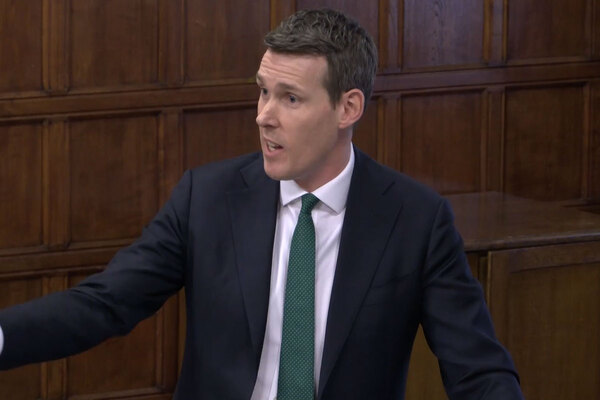
Housing minister Matthew Pennycook has also previously told Inside Housing that there may be some tweaks to improve the shared ownership model.
Just last week, Clarion urged the government to raise shared ownership income thresholds to keep the scheme “accessible” to working households.
Tanya Bass, policy leader at the National Housing Federation, said: “Shared ownership is a vital part of meeting the country’s housing need and remains one of the most affordable and secure routes into homeownership.
“For some shared owners, staircasing is the right choice and part of the model’s appeal, while for others having a share in a property provides the stability they need. It can also provide a stepping stone to a future home purchase.
“Shared ownership has successfully helped hundreds of thousands of people on moderate incomes out of insecure and unaffordable private rentals and into homeownership.
“The model continues to be strengthened through the new Shared Ownership Code, providing better information for buyers, and ensuring the system works fairly for everyone.”
The new code launched in June to help standardise best practice and consumer protection.
However, Sue Phillips, founder of Shared Ownership Resources, said: “There is a paucity of data on long-term outcomes. However, analysis of the data that exists demonstrates that fewer than 50% of all shared owners have staircased to 100% since the inception of the scheme in the 1970s [and] 1980s.
“[The percentage is] possibly far fewer – historical data conflates 100% staircasing with simultaneous sale and staircasing transactions and, consequently, 100% staircasing statistics are overstated.”
Sign up to Inside Housing’s Tenancy Management newsletter
Sign up to Inside Housing’s Tenancy Management newsletter, a weekly round-up of stories on all aspects of tenancy management, from allocations to evictions.
Already have an account? Click here to manage your newsletters.
Sign up for Housing 2026
Join us at Housing 2026 and hear from the sector’s most influential voices. Leading housing organisations curate their stages, showcasing the speakers and discussions that matter most.
Take part in purposeful, tech-enabled networking – see who’s attending, handpick the people you want to meet, and engage in meaningful, in-person conversations.
Connect with every key decision-maker under one roof, from local authorities and housing associations to investors, developers and operators.
Related stories