You are viewing 1 of your 1 free articles
Why are social housing providers hiring for senior sustainability roles?
Housing associations are feeling the pressure of tackling carbon emissions and are addressing it through hiring more senior sustainability experts, says Claire Harrison, associate director of housing and property services at the Sellick Partnership recruitment firm



Claire Harrison is associate director, Housing & Property Services, at the Sellick Partnership
 Housing associations are feeling the pressure of tackling carbon emissions and are addressing it through hiring more senior sustainability experts, says Claire Harrison, associate director of housing and property services at the Sellick Partnership #UKhousing
Sustainability has become a defining feature in the social housing sector, with a growing emphasis on retrofit, decarbonisation and the need to meet ambitious environmental targets.
As housing associations face increasing pressure to improve energy efficiency and reduce carbon emissions, we are seeing a significant rise in senior sustainability roles.
Historically, these responsibilities were often embedded within broader asset management or development roles. However, the urgency of the climate crisis and the introduction of more stringent environmental targets have led to the creation of specialist leadership positions solely focused on sustainability strategies.
Read more
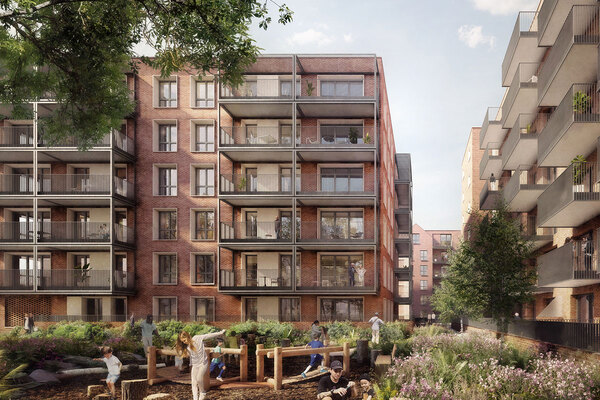


Housing associations are recognising that, in order to meet government mandates and access funding, they need dedicated expertise at the highest level.
The increasing prominence of sustainability in social housing is not just a passing trend, it has become a core priority for housing associations and policymakers alike. With increasing regulatory requirements, growing financial incentives and an urgent need to tackle both carbon emissions and fuel poverty, the demand for dedicated sustainability professionals has surged.
The government has set ambitious net-zero targets, with social housing providers expected to play a critical role. New legislation and policy frameworks, including the Social Housing Decarbonisation Fund, require housing associations to develop comprehensive sustainability strategies to secure funding and remain compliant.
“Housing associations that demonstrate strong sustainability leadership are more likely to secure investment and funding streams”
This must be a focus for the government, particularly when planning to deliver on the promise of building 1.5 million new homes over a five-year period – at 370,000 homes each year.
In 2024 alone, £80m was awarded to social housing decarbonisation projects. Housing associations that demonstrate strong sustainability leadership are more likely to secure investment and funding streams.
Rising energy costs and cost of living concerns have made sustainability a tenant welfare issue as much as an environmental one. Energy-efficient homes help lower tenant bills and improve quality of life.
The demand for ethical, sustainable business practices is at an all-time high. Housing associations must show tangible commitments to ESG principles to maintain credibility and attract investors.
Skills gap and demand for specialists
The technical expertise required to manage decarbonisation projects has driven demand for professionals with in-depth knowledge of energy efficiency, carbon reduction and sustainability frameworks.
As housing associations ramp up their sustainability efforts, AI is becoming an essential tool, with many organisations now undertaking large-scale data-asset programmes to enhance decision-making and improve efficiency.
Victoria McAndrew, interim asset and decarbonisation manager at Bro Myrddin Housing Association, notes that while some organisations remain apprehensive about adopting modern technology, AI will be instrumental in capital investment programmes. Housing associations in Wales are already using environmental sensors to monitor moisture and CO₂ levels, allowing them to proactively assess property conditions and implement sustainability measures.
AI-driven analysis of this data plays a crucial role in tackling key challenges like damp and mould, which are a major legislative and operational focus. By identifying properties at risk before issues arise, AI enables early intervention, improving tenant welfare and reducing long-term maintenance costs.
If successful, this approach may be expanded across England to support national sustainability initiatives.
What does this mean for employers?
Housing associations must rethink their approach to recruitment, as adding sustainability responsibilities to existing roles may not be sufficient. Instead, employers should:
-
Create dedicated leadership roles – appointing a head of sustainability or a specialist team ensures long-term strategic planning.
-
Invest in training and development – equipping current employees with the necessary sustainability knowledge can help bridge skills gaps.
-
Enhance recruitment strategies – with sustainability expertise in high demand, housing associations need to be proactive in attracting and retaining talent.
-
Align with sector-wide initiatives – collaborating with government bodies, training providers and industry networks can help ensure compliance with best practices.
Opportunities for employees
The rise in sustainability roles presents exciting career prospects. As teams expand, there are more opportunities for professionals to specialise in energy efficiency, environmental strategy and carbon reduction.
With demand for sustainability expertise rising, competitive salaries and career advancement opportunities are becoming more common. This, in combination with the purpose-driven work that many professionals are drawn to, makes these roles attractive to job seekers who are passionate about having a direct impact on environmental and social well-being.
Finally, sustainability expertise is highly transferable, opening doors to roles across the public and private sectors.
The future of sustainability in social housing
As the sector continues to evolve, sustainability will remain at the forefront of housing strategy. Organisations leading the way will be those that embed sustainability into their core operations, invest in skilled professionals and prioritise long-term environmental commitments.
With the right talent in place, the housing sector can drive impactful change, ensuring homes are energy-efficient, tenants are supported and ambitious decarbonisation goals are met.
For housing professionals looking to enter or advance in sustainability roles, now is the time to explore these growing opportunities. Employers who act decisively will not only meet regulatory requirements, but also future-proof their organisations for a more sustainable tomorrow.
Claire Harrison, associate director, housing and property services, Sellick Partnership
Sign up for our asset management and sustainability newsletter

Already have an account? Click here to manage your newsletters
Related stories