You are viewing 1 of your 1 free articles
Grant money is not the only way to fund net-zero goals in Wales, Tirion boss says
David Ward, the chief executive of Tirion Homes, has said the Welsh housing sector should stop relying solely on grant to meet its net-zero goals and look to infrastructure investors.


 David Ward, the chief executive of Tirion Homes, has said the Welsh housing sector should stop relying solely on grant to meet its net-zero goals and look to infrastructure investors #UKhousing
Speaking at the Chartered Institute of Housing Cymru’s annual Tai conference near Cardiff, Mr Ward said Tirion had worked “very hard” with net-zero infrastructure investors on recent developments.
“There’s a whole new market there. They’re actually investing in the infrastructure, which is taking a development cost away,” he said.
“If we’re going to get to net zero, we need to move away from grant and look at investment instead. Public-private partnerships seem to have gone out of fashion a little bit, but we’re really keen.
“It’s a very powerful tool, if you can get it right.”
Read more
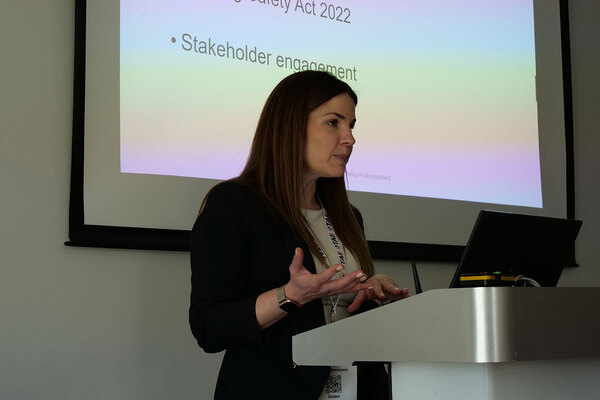

Mr Ward said institutional investor appetite was “enormous”, with investment manager M&G alone open to an investment of £300m to £400m.
“These institutional investors, they need to see a pipeline of investment opportunities, and they need to see that the public sector is committed to it,” he added.
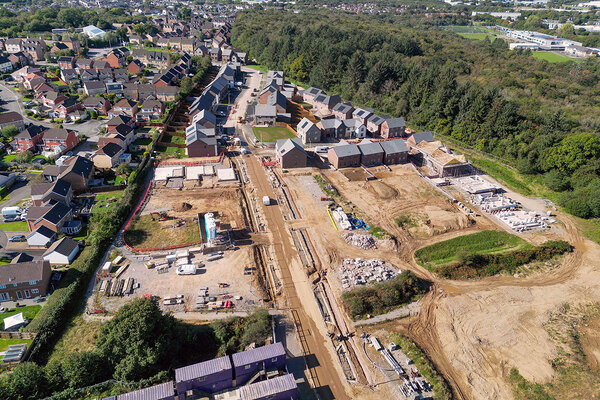
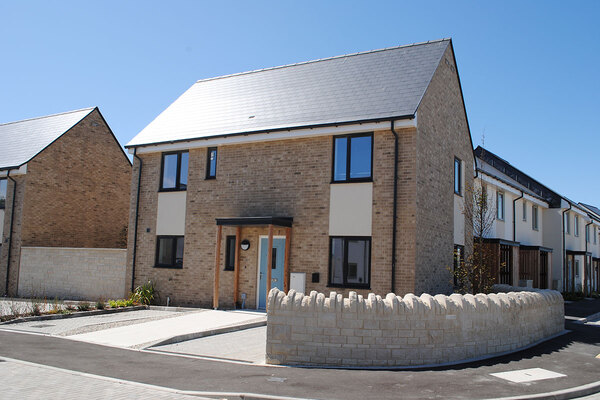
Tirion was created in 2012 by the Welsh government alongside the Principality Building Society. It operates as a not-for-profit residential developer, owner and manager set up as a community benefit society rather than a registered social landlord.
“The reason for that is [that it] really enables us to take on long-dated, very highly geared debt, which is what we require if we’re going to take on these big, difficult regeneration projects that we specialise in,” Mr Ward said.
Tirion enters into conditional land sale agreements and takes out loan finance before deciding whether to take ownership of a site.
If it goes ahead, it uses land sales to finance construction, backed by guarantees from the Welsh government, and then refinances with long-term funding – so far from M&G – to manage and maintain the homes.
Using this model, Tirion is able to avoid using social housing grant from the Welsh government, Mr Ward said.
If this model was replicated across 12 developments, he said it could save £200m in social housing grant and deliver more than 9,100 new homes, including 900 social homes.
Stuart Fitzgerald, deputy director of homes and place in the Welsh government, also told delegates “we’re looking at supporting new equity structures”.
These would be similar to the Welsh Housing Partnership, a group of four landlords that uses special purpose vehicles to attract investment.
While a “huge amount” of grant is going into the sector, Mr Fitzgerald added: “Clearly, given the number of homes that we need, grant isn’t the entire answer, and it can’t be. We will never have enough grant to deliver all the homes that we need.
“We need to look at other investment opportunities and initiatives.”
Earlier in the week, Sarah Cullen, the Welsh government’s head of building safety policy reform, told Tai 2025 delegates that local authorities in Wales faced significant workforce issues as they get ready to take on the role of building safety regulator.
Sign up for our Wales newsletter

New to Inside Housing? Click here to register and receive our Wales round-up straight to your inbox
Already have an account? Click here to manage your newsletters
Related stories