You are viewing 1 of your 1 free articles
5 things we learned from the Future Homes Standard
The government has finally published details of its new Future Homes Standard. Ellie Brown has five key takeaways


 5 things we learned from the Future Homes Standard #UKhousingThe government has finally published details of its new Future Homes Standard. Ellie Brown has five key takeaways #UKhousing
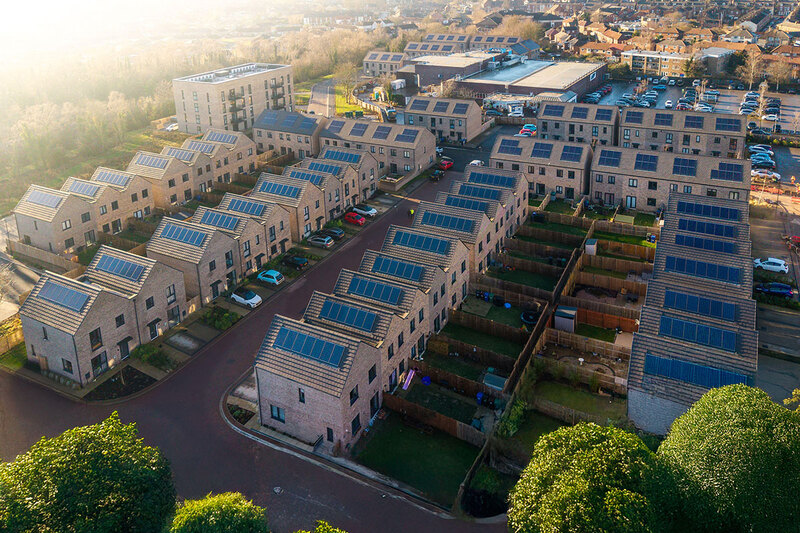
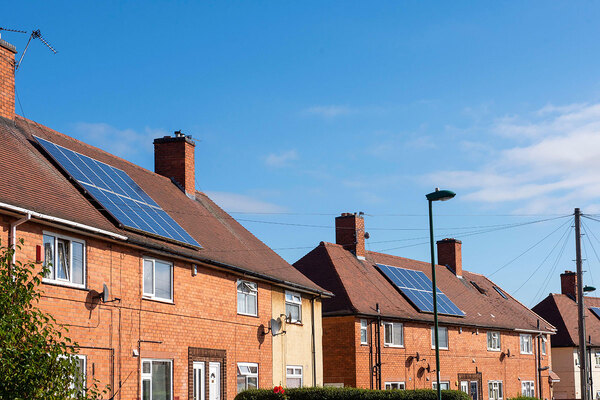
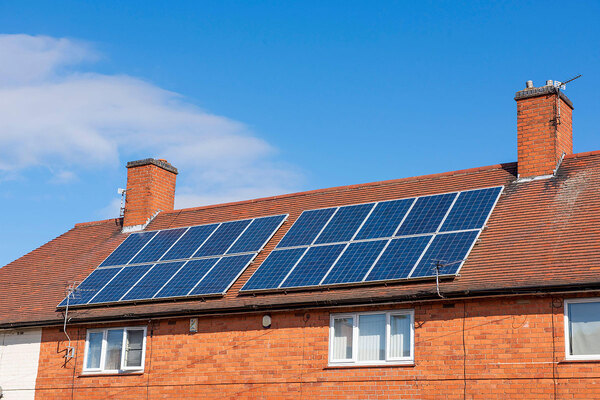
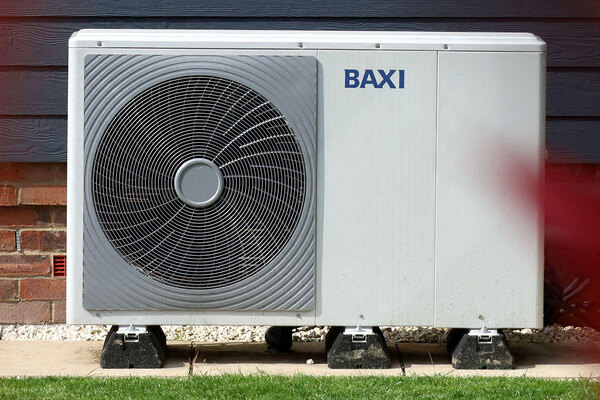
The Future Homes Standard, which applies to all tenures, means that all new homes will need heat pumps and most will require on-site renewable energy generation such as solar panels.
The regulations will apply from 2028, a three-year delay from the original plans and nearly a decade after the government first committed to the policy.
Here is what we learned from the raft of updates published by the government about why the change is being brought in, how much it could cost the sector, and how the final version of the standard differs from original plans.
1. Government believes standard is ‘key’ for net zero targets
The regulations are a crucial part of the government’s bid to meet the legal target of net zero greenhouse gas emissions in the UK by 2050, according to the policy’s impact assessment.
Homes accounted for 14% of UK carbon emissions last year. The residential building industry is the second highest-emitting sector behind transport, and to achieve net zero its footprint must fall by 66% in just 15 years’ time, the report said.
Heat pumps, which have been made mandatory under the standard, are singled out as important in reaching this goal; on the route to net zero, half of homes need to be using the technology by 2040, compared to just 1% in 2023.
Read more
The government says the rules are needed as the market alone will not help decarbonise homes due to the high cost for developers, while other regulatory policies, such as Energy Performance Certificates (EPCs), will not be enough on their own to move the dial.
Another predicted benefit of the standard is helping to overcome the hurdles faced by retrofit schemes, as the standard could help boost the market and supply chains for low-carbon technology, as well as familiarising people with the products.
Building new homes to the standard will also mean fewer retrofit programmes are needed, which the report notes are more expensive than constructing energy-efficient homes in the first place.
2. £7.7bn bill with around a fifth of capital and installation costs affecting housing associations
The new standard is viewed as having social value benefits worth around £20bn over the next 10 years due to the amount of carbon emissions that will be saved and improvements to air quality.
But while the positive impact on society is believed to outweigh the projected financial impact on businesses, the financial hit to industry is still expected to be big.
Overall, private developers, private landlords and housing associations face a combined bill of £7.7bn for homes built over the next 10 years, assuming these have a 60-year lifespan.
Most of the costs will apply in the first 10 years of the policy, with the bill per year put at £709m, according to the report.
This figure includes capital, installation and maintenance costs. The first two costs are expected to hit private house builders the hardest but a fifth will fall to housing associations – although it is unclear exactly how much of the £7.7bn overall bill this would be.
Capital costs are expected to rise by an average £4,350 per home developed, but the bill for mid and high-rise flats is predicted to be less than half of other dwellings.
While costs could be passed on to homebuyers and renters in the private sector, social tenants will likely not feel the pain due to limits on rents for social landlords, although the government may face increased pressure from housing associations to boost grant funding for developments, the report adds.
3. Higher costs for residents but lower energy bills expected
Households face a combined bill of £2.5bn due to the increased replacement and maintenance costs of the new technology.
The cost per year relative to current building standards is likely to be £90.5m over the 70 years of the policy, which includes some offsetting from an average saving in energy bills and standing charges of £4.6m per year.
The report admits that there may be cases where people’s energy savings are small or negative compared to savings made by those who have a gas boiler due to electricity being four times the price of gas per unit – although it is unclear whether this calculation was made before the Iran war, which has pushed up gas and oil costs.
But the report notes that when the standard is compared with the average UK home with an EPC Band D rating, residents see a net saving, and energy bills are viewed as being more predictable than when people must rely on fossil fuels.
It adds that improved energy efficiency and ventilation brought in through the standard can have other positive impacts, such as preventing damp, mould, cold and overheating in homes.
And the government estimates that over the next decade, the cost of heat pumps and solar will reduce by 60% and 70% respectively.
4. More flexibility on solar panels after industry warnings, but 40% rule still stands
Although the standard is expected to present a high cost to business, it has been changed from the previous two options that went out to consultation following feedback from the industry.
Rather than requiring solar panels on all new builds, the government has brought in regulations meaning homes must have the capacity to generate renewable energy on-site that can be used by residents, via solar panels or other technology.
Building control guidance states that if homes are to use roof-mounted solar panels, these must be installed over an area that is equal to 40% of the ground floor area of the house and meet requirements on orientation, pitch and shading.
The documents add that in “exceptional circumstances”, homes may be unable to include this technology, for example those that lack the roof area required for solar panels, although this would need to be supported with evidence provided to building control.
Developers also do not have to include the technology if homes can be linked to an external renewable energy site, and there is another exemption explored below.
5. Higher-risk buildings given longer transition time and renewable tech exemption
Higher-risk buildings have separate rules under the new standard, according to the impact assessment and building regulations guidance.
These buildings, which include blocks above 18 metres, must go through a longer process before they are built, including an extra layer of building control via the Building Safety Regulator’s Gateway process.
The government says that because of this, it has given those developing higher-risk buildings more time to adjust to the new regime, meaning it will be 18 months before these blocks must be designed to the Future Homes Standard and three years before the standard will apply to those under construction.
As indicated above, higher-risk buildings are also excluded from the requirement for solar panels because these have limited roof space compared to the number of flats.
Sign up to Inside Housing’s Sustainability newsletter
Sign up to Inside Housing’s weekly Sustainability newsletter, featuring our in-depth coverage of the sector’s journey to delivering net zero.
Already have an account? Click here to manage your newsletters.
Related stories