You are viewing 1 of your 1 free articles
The Week in Housing: Gove admits failures over cladding guidance
Michael Gove has offered a belated apology for poor government guidance in force before Grenfell, as he seeks cash from developers to pay for the crisis. Elsewhere, the regulator reports on damp in English social housing. Peter Apps rounds up the headlines


 A weekly round-up of the most important headlines for housing professionals #UKhousing
Good afternoon.
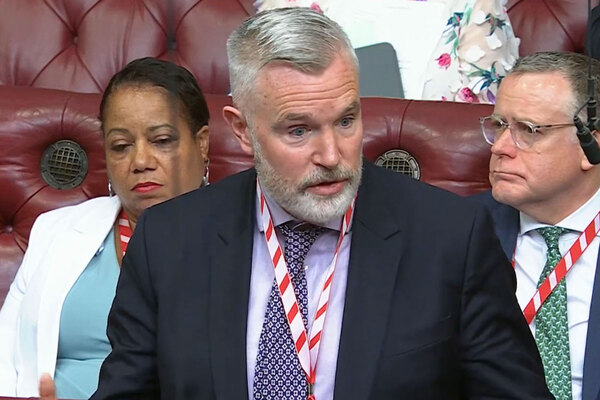
This week, housing secretary Michael Gove said something that none of the various politicians who have occupied his role since the Grenfell Tower fire have dared to say: the government’s own guidance contributed to the blaze.
Mr Gove made the comments in a Sunday Times interview, which resulted in worried looks from his “minders”, according to the paper.
Now, really this is an admission that the government should have made quite quickly after the fire because it is a) true, and b) blindingly obvious.
This will come as no surprise to long-term readers of Inside Housing, especially if they have read our reports here, here, here, here, here, here, here, here and here.
The government has always weaseled around apologising for Grenfell. First by limiting its apology to the aftermath of the fire and, second, using the KC representing it at the inquiry to accept a failure to stop local authority building control inspectors from signing off non-compliant blocks.
Read more



Mr Gove has now gone a step further, and should be commended for doing so.
Of course, he could have been more specific. Instead of saying the guidance “was so faulty and ambiguous that it allowed unscrupulous people to exploit a broken system”, he could have said: “The British government should have set a minimum combustibility standard of A2 for cladding in 2001, and it’s failure to do so was negligent given what it knew about the risks.
“The government then missed multiple opportunities to correct this error despite obvious warnings. I was part of a government that ignored a coroner’s report into six deaths, 21 letters from a specialist group of MPs and at least two critical warnings from the industry because we were more interested in tokenistic comments about deregulation.
“If we’d have upped standards, there would still have been non-compliance but far less of it and the cladding crisis either wouldn’t exist or would be much smaller in scale. Sorry.”
This might be too specific to ask for in a national newspaper interview, so we will have to assume that’s roughly the spirit of what he’s getting at, and hope the inquiry makes a more definitive statement in due course.
An important point to make, though, is that Mr Gove’s comments do not get other parties off the hook.
Flawed government guidance does not change the fact that the cladding used on Grenfell Tower was sold without passing relevant tests and European testing revealing a devastating fire performance. Neither does it change the fact that the tower’s system was non-compliant, even with the desperately flawed guidance.
This is true of the wider cladding crisis, too. Even if it is now accepted that government guidance was flawed, there is still widespread non-compliance with it and a complete lack of (legally required) consideration about whether the blocks as a whole were actually safe.
This matters because what Mr Gove also said this week was that developers will have to pay for cladding removal and remediating other defects in buildings they have developed, or face effectively being shut out of the market.
This is an extraordinarily draconian measure for a government usually unwilling to upset the housebuilding sector too seriously.
But it is not unfair: builders took the profits from a deregulated construction sector. It makes sense that some of those profits go towards paying for the consequences.
Endless arguments about who exactly in the supply chain is at fault for each building will simply never conclude. The cladding crisis needs cash now. It’s reasonable that a good chunk of it comes from those who filled their pockets with the profits from building these homes.
This, though, is not the end. These big builders are being asked to cover the costs of around 1,500 homes. There are likely to be at least 10,000 that need work.
It is possible that Mr Gove will go after some smaller builders as well in due course. He remains keen to extract cash from construction product manufacturers. What about social housing, where fixes are largely being funded by landlords, which raise the cash from tenants’ rent?
In response to a question on this topic in parliament, Mr Gove said: “I am well aware of the pressures on the social housing sector and of the need to work collectively to ensure it can discharge its obligations. I hope to say more about how we can do so in the weeks ahead.”
Stay tuned.
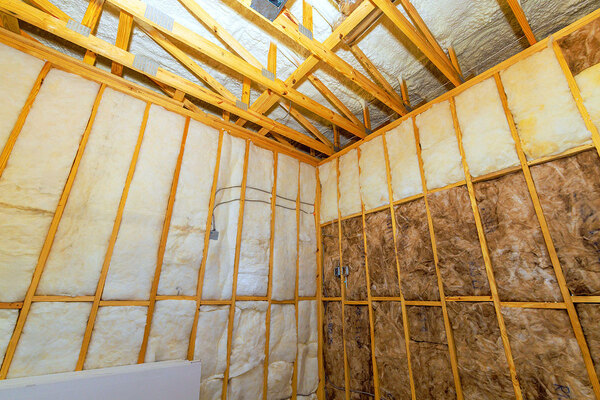
From cladding to damp, the other big story this week saw the Regulator of Social Housing reveal estimates for the scale of the damp crisis in English social housing.
Like cladding, this story is the culmination of flaws: some that lie at the door of successive governments and some far more about individual organisational failures. You don’t get a crisis this large without both.
The regulator’s report was accompanied by the Housing Ombudsman berating the sector for its slow pace at putting policies in place to put it right. The hard graft of change must begin with such policies becoming the norm.
Have a great weekend.
Peter Apps, deputy editor, Inside Housing
Say hello: peter.apps@insidehousing.co.uk
Editor’s picks: five must read stories
‘Notable’ damp and mould affects up to 160,000 social homes in England, says regulator
Mr Gove was right. But what now?
Sign up for our Week in Housing newsletter
Already have an account? Click here to manage your newsletters
Related stories