You are viewing 1 of your 1 free articles
ALMO hit with severe maladministration finding after tenant hospitalised
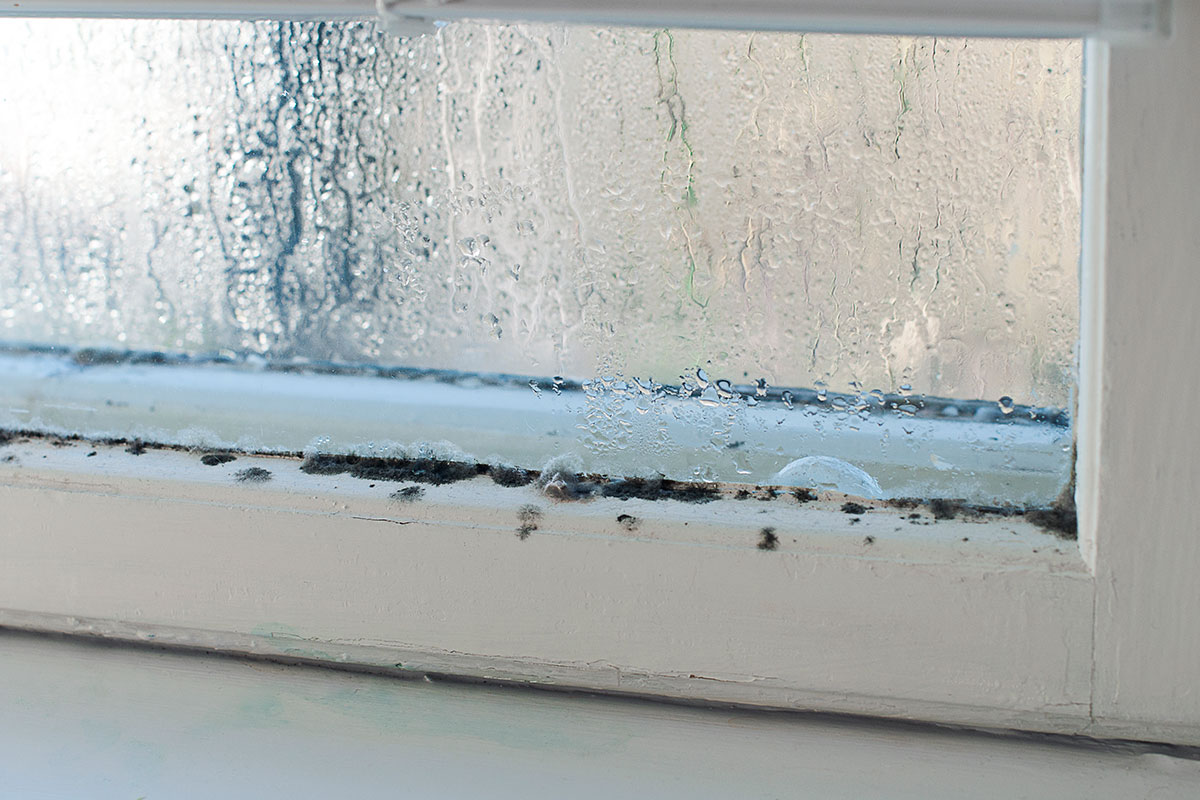
The Housing Ombudsman has made a severe maladministration finding against a London council’s arms length management organisation (ALMO) after a resident was hospitalised while forced to live with damp and mould.


 The Housing Ombudsman has made a severe maladministration finding against a London council's ALMO after a resident was hospitalised while forced to live with damp and mould #UKhousing
The ombudsman found that Haringey Council’s ALMO Homes for Haringey, failed to properly deal with the resident’s complaints about a leaking roof, which she reported several times over two years.
The landlord was also aware that the resident had been hospitalised several times and that she had medical conditions, which she said was made worse by her living conditions.
“But [the ALMO] did not take any steps to support her,” the ombudsman said.
The resident, a leaseholder, reported leaks in the ceiling from 2018. Although some repairs were carried out, the leaks returned.
In early 2021 she contacted the landlord to say she had been in hospital after spending two months in a damp flat with leaks and mould on the walls.
Further work was scheduled but did not take place.
Read more
 Ombudsman makes severe maladministration finding after resident left with leaking roof for six years
The resident complained that the flat was becoming uninhabitable due to her medical conditions and that she needed to stay at home because of the COVID-19 pandemic.
Although Homes for Haringey acknowledged the resident’s concerns and raised a stage one complaint on her behalf, it failed to give her an update on the progress of the repairs.
It then apologised and said that its contractors had been affected by the pandemic, and that it would ask them to prioritise the work.
The resident was not satisfied with this response given the length of time the issue had been going on. She reiterated the impact it was having on her health and complained of the extra heating costs needed to keep the property warm because of the damp.
In its stage two complaint response the landlord apologised, noted the poor communication and offered £100 compensation.
But the resident did not feel this was sufficient, while there were also still unresolved damp and mould issues.
She asked for her complaint to be reviewed by the landlord’s tenant panel, which upheld her appeal and recommended a thorough inspection. However, the landlord failed to carry out the inspection.
The resident referred the matter to the Housing Ombudsman.
The watchdog found severe maladministration for the landlord’s handling of the resident’s reports of leaks, damp and mould at the property and maladministration for its handling of the complaint and record-keeping.
It ordered Homes for Haringey to pay the resident compensation of £600, take a number of actions to deal with the repairs, and review how it responds to the recommendations of the tenant panel.
Housing ombudsman Richard Blakeway said: “Although the landlord acknowledged its errors in communication about the repairs, it did not offer suitable compensation to recognise the inconvenience experienced by the resident by its lack of communication and unexplained delays.
“The landlord was aware that the resident suffered from medical conditions which she said were made worse by living in a property affected by damp and mould.
“It should have looked to prioritise the repairs given these vulnerabilities and the fact that there was damp and mould in the property during the coldest months of the year.
“It also failed to address certain aspects of the resident’s complaint, including her concerns about missed and failed appointments, additional heating bills and her concerns about mould in the property and the effect on her health.
“No evidence has been provided to show that the landlord acted on the tenant panel’s recommendation that it inspect the roof.
“This was a significant failing and a missed opportunity to resolve any outstanding repair issues.”
A Homes for Haringey spokesperson apologised for the distress caused to the resident and accepted the ombudsman’s recommendations.
They said: “The works in this particular case were impacted due to the global pandemic, which contributed to the delay in completing the repairs, but there are areas where our service could have been better.
“Although we have a system in place to record all notes relating to that repair, we will review this system to make sure that all resident concerns are logged at the point they are made.
“We have recently made changes to our repairs service to make sure that we review and carry out any follow-up actions required, to ensure our residents are satisfied with the work.”
They added that the company is currently improving how it deals with complaints, including assigning a specific officer to every initial complaint and monitoring performance on complaints.
Sign up for our asset management and sustainability newsletter
Already have an account? Click here to manage your newsletters
Related stories