You are viewing 1 of your 1 free articles
BSR aims for ‘significant reduction’ in backlog by ‘end of year’
The new chair of the Building Safety Regulator (BSR) has said he is hoping to see a “very significant reduction” in the backlog of cases by the end of 2025.


 BSR aims for ‘significant reduction’ in backlog by ‘end of the year’ #UKhousing
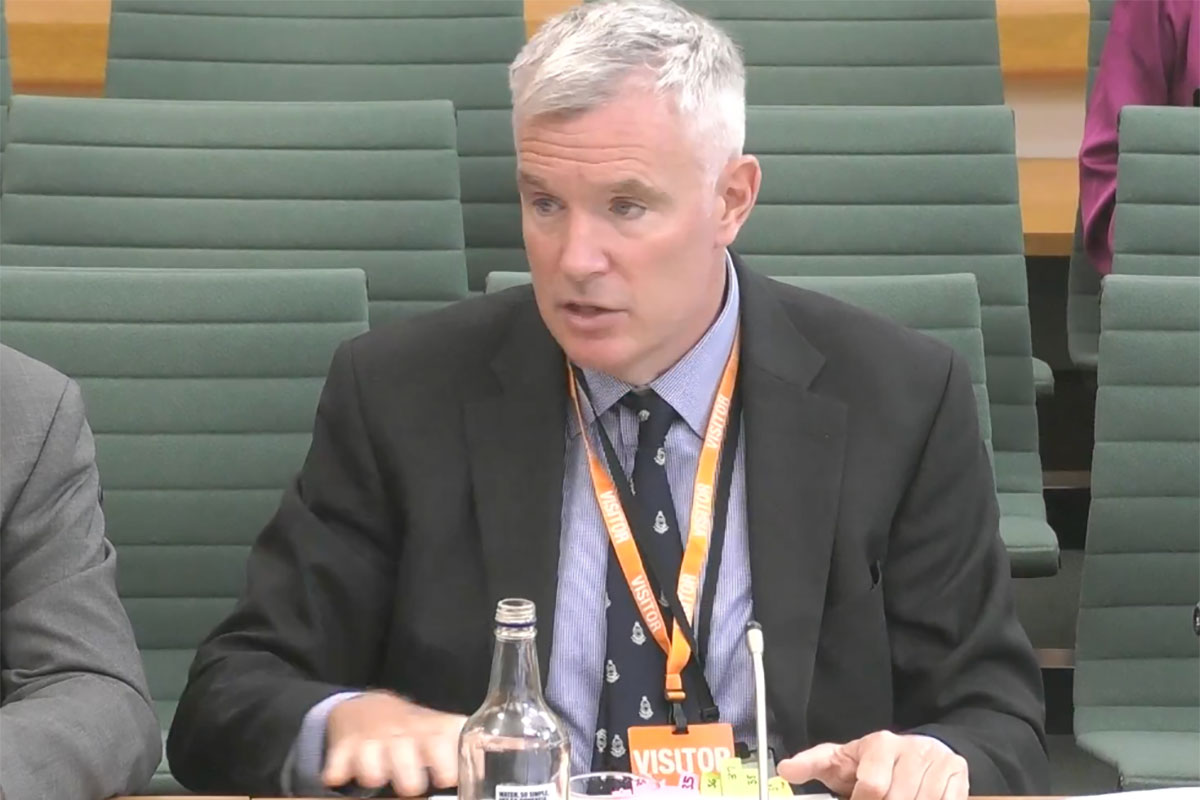
Speaking to MPs this morning, Andy Roe insisted that tackling the high-profile problems at the BSR is “achievable”.
The current median time for approving new-build applications for residential blocks of 18 metres plus is 43 weeks, against a target of 12 weeks, Mr Roe revealed.
Asked when he would expect the BSR to start meeting its target, he said: “By the end of the year you have to see a very significant reduction in the backlog of cases.”
He told parliament’s Housing, Communities and Local Government Committee that if there was not “significant change” by then, the BSR will “run the risk of losing the complete confidence of everyone in the regulatory regime”.
Read more

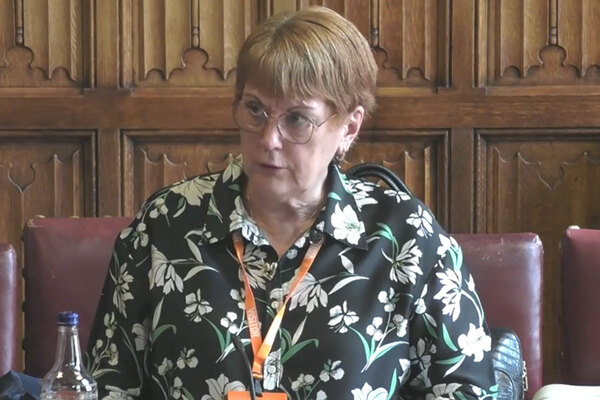
Mr Roe, the former commissioner of the London Fire Brigade (LFB), has been appointed by the government to tackle the issues at the BSR, which have left developers frustrated over delays in getting applications for high-risk new-build and remediation projects processed.
However, developers have also been criticised for poor-quality applications. Mr Roe told the cross-party committee there are currently around 29,000 homes stuck in the system, which includes 154 new-build applications.
The BSR’s “biggest challenge” is recruiting registered building inspectors (RBIs), he said. “If we get those numbers up, I think we’ll clear the backlog,” Mr Roe said.
The regulator is aiming to have a “centralised team” of 15 RBIs by the end of this month and Mr Roe said it was “about halfway there”.
Another problem has been handling data, Mr Roe told the committee. “They [the BSR] are working with a product that I don’t recognise as viable,” he said.
“We have got to improve our approach to data digital capture. Part of the challenge is we are having to manually segregate data.”
He later acknowledged that developers are frustrated. But he said: “It’s all there to be sorted out, it’s doable.”
Mr Roe also addressed criticism he has faced over his appointment at the BSR, along with Charlie Pugsley, another senior LFB figure who is due to join the regulator as its chief executive. Mr Roe said he accepts the “optics”.
He added: “I recognise that whilst I think I have got quite a lot of skills, and Charlie is an extremely experienced regulator, and very experienced operationally with decades like myself of really hard miles in the built environment, we ain’t got all the answers.
“I’m just not that arrogant. We need a really good mix of professionals inside the BSR.”
Sitting alongside Mr Roe was John Palmer, the BSR’s new director of operations, who has been seconded from the Ministry of Housing, Communities and Local Government. On the issue of communication with applicants, Mr Palmer said the BSR is bringing in “communication leads” to tackle that problem.
“There’s nothing more frustrating that just hearing silence, regardless of whether your application is going well or not,” he said.
Mr Palmer was reiterating a comment by Dame Judith Hackitt, who gave separate evidence to the committee this morning. She said “tension” had been created by a lack of communication.
However Dame Hackitt said she has seen a “sea change” on both sides with a “willingness to work together”. She added: “It’s a shame we didn’t see it earlier, but it’s there now, and that should be encouraged.”
Melanie Leech, chief executive of the British Property Federation, agreed that a “better quality of conversation” was being seen. “We are making progress in the right direction,” she said.
Ms Leech said that the build-to-rent market had been most affected by the BSR’s issues, but that there is “investment waiting to come in” to help the government hit its 1.5 million homes target.
Speaking on the same panel, Allan Binns, a director at consultancy Project Four Safety Solutions, said that some developers are halting their residential plans to look at the commercial property market because of the ongoing problems at the BSR.
Sign up to our building and fire safety newsletter
Sign up to our new revamped building and fire safety newsletter, now including a monthly update on building safety from Inside Housing contributing editor Peter Apps.
Already have an account? Click here to manage your newsletters.
Related stories