You are viewing 1 of your 1 free articles
Building Safety (Wales) Bill to cost sector £132m over 10 years
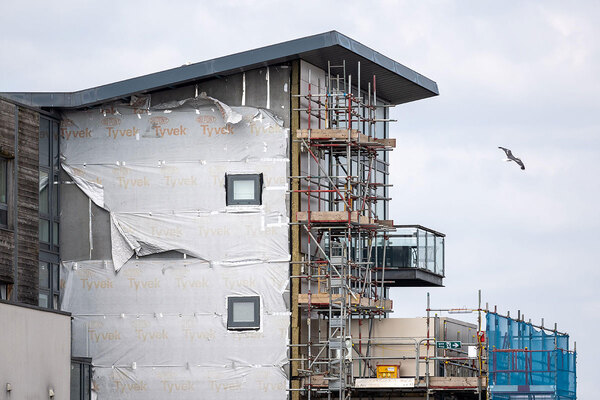
New building safety rules in Wales will come at an estimated cost to the sector of £132m over 10 years, according to an impact assessment.


 New building safety rules in Wales will come at an estimated cost to the sector of £132m over 10 years, according to an impact assessment #UKhousing
 Of the £132m predicted cost to the sector, the vast majority is likely to be revenue costs, with the rest being capital expenditure.
An estimated £100m is likely to be spent on recurrent costs, such as reviewing fire risk assessments, overseeing the golden-thread database, drawing up contravention orders and giving residents safety information.
The golden thread is both the information that allows building owners to understand a property, and the steps needed to keep the building and people safe.
The rest, about £32m, is predicted to go on the cost of transitioning to the new regime, including learning about the requirements and creating a complaints system.
Read more
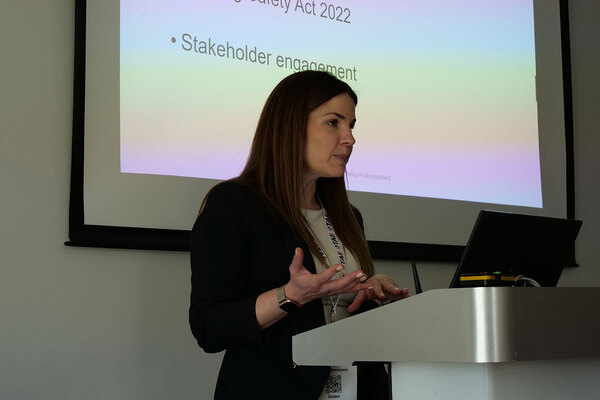

Jayne Bryant, cabinet secretary for housing and local government, introduced the bill to the Welsh parliament yesterday. The new regime is expected to come into force in April 2027.
She said: “This landmark bill will fundamentally transform safety in multi-occupied residential buildings across Wales.
“Its key principles are safety, accountability and residents’ voices, and it goes wider and further than existing legislation in other parts of the UK.
“It creates clear legal responsibilities for owners and others, gives residents new rights and pathways to raise complaints, enables standards for professional assessments, and provides robust enforcement powers when safety requirements aren’t met, because the safety and well-being of people in their homes must always be our priority.”
Some or all of the costs will be passed on to leaseholders or residents, the legislation states. The Welsh government is planning to allow landlords to pass the costs on via a “variable service charge”. The bill sets out which safety costs can and cannot be recovered from residents through service charges.
Officials believe the changes will bring in benefits worth £102.7m, including a reduced risk of fires and structural incidents, avoided deaths and injuries, less property damage and an increase in confidence that buildings are safe.
The new regime will also come at a cost to enforcing authorities.
Councils are likely to face a combined £5.3m bill, and fire and rescue authorities a £2.5m bill, over the next 10 years. There will also be £33.5m in administrative costs, mostly for the Welsh government.
The planned legislation will create new duty holder roles, known as the accountable person and principal accountable person, which are expected to be taken up by the building freeholder. These people will have legal responsibilities for maintaining fire and building safety in all multi-occupied residential buildings with two or more units, as well as certain houses in multiple occupation.
The affected buildings will be placed into three height categories: 18m high or at least seven storeys; lower than 18m and at least five storeys; below 11m and fewer than five storeys.
Councils will enforce the majority of the regulations as new building safety authorities, and fire and rescue authorities will ensure compliance with fire safety rules. Residents will also face new duties not to create safety risks in buildings.
Earlier this year, the Welsh government’s head of building safety policy reform told a conference that councils faced “real workforce challenges”. Inside Housing understands the government will make £1.3m available to support town halls with extra capacity, upskilling and transitioning to the new regime.
The government is also bringing forward two implementation work streams, on cost implications and workforce capacity for councils.
Ms Bryant added: “This bill is part of a wider programme to ensure that buildings in Wales are safer, and that people are protected in their homes.
“The legacy of Grenfell Tower must be meaningful change. We owe it to those who lost their lives, their families and the survivors to ensure that such a tragedy can never happen again.”
Sign up for our Wales newsletter

New to Inside Housing? Click here to register and receive our Wales round-up straight to your inbox
Already have an account? Click here to manage your newsletters
Related stories