You are viewing 1 of your 1 free articles
Council sees number of households in temporary accommodation surge by 87% compared to pre-pandemic
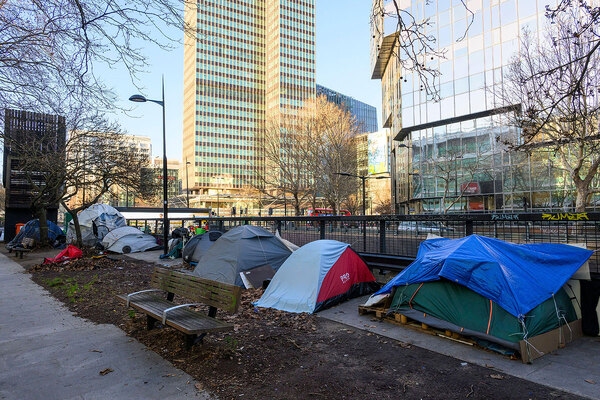
The number of households in temporary accommodation in Bristol is 87% higher than before the COVID-19 pandemic.


 Bristol Council sees number of households in temporary accommodation surge by 87% compared to pre-pandemic #UKhousing
 According to a council report, the increase in temporary accommodation placements has “created a £5m financial pressure” for the local authority.
The report, which was seeking approval to accept and spend Bristol’s homelessness prevention grant allocations for the next two years, as well as funding for an ex-offenders housing scheme, went before cabinet earlier this month.
Read more


There are 100,000 households in temporary accommodation across England.
Bristol’s homelessness grants – £3m for 2023-24 and £3.2m for 2024-25 – will go towards additional resources to work with homeless households, homelessness prevention, and initiatives that increase access to affordable housing.
The funding also pays for higher quality and cost-effective supported housing as an alternative to expensive temporary accommodation.
The report states: “Bristol has experienced rising rates of homelessness. Since the pandemic we have seen a 25% increase in households (average of 510 households a month) approaching Bristol City Council because of homelessness-related issues.
“The number of households in temporary accommodation is 87% higher than before the pandemic.”
The council said that during the pandemic and ‘Everyone In’ – when the government asked councils to move all those and those at risk of sleeping rough into accommodation – the number of single people housed increased significantly. However, family homelessness has increased since the end of lockdowns and protections, such as the eviction ban.
“The cost of living crisis and continuing challenges around affordability of both homeownership and private renting are contributing to high level[s] of homelessness presentations.
“The increase in temporary accommodation placements has created a £5m financial pressure for the council,” according to the report.
The report also highlighted a high turnover for staff who work with households in temporary accommodation.
It said this means the council “can respond to any potential reduction in grant funding by holding vacancies”.
“The number of posts has reduced from 25.5 full-time equivalent (FTE) in 2022-23 to 23.5 FTE in 2024-25,” the report states.
Bristol Council has been contacted for comment.
Sign up for our Council Focus newsletter
Already have an account? Click here to manage your newsletters
Related stories