Court of Appeal rules London council unable to charge leaseholders for repairing historic building safety work
A landmark judgment has ruled that leaseholders in two east London tower blocks will not have to foot the “ruinous” bill for structural remediation work.


 A landmark judgment has ruled that leaseholders in two east London tower blocks will not have to foot the “ruinous” bill for structural remediation work #UKhousing
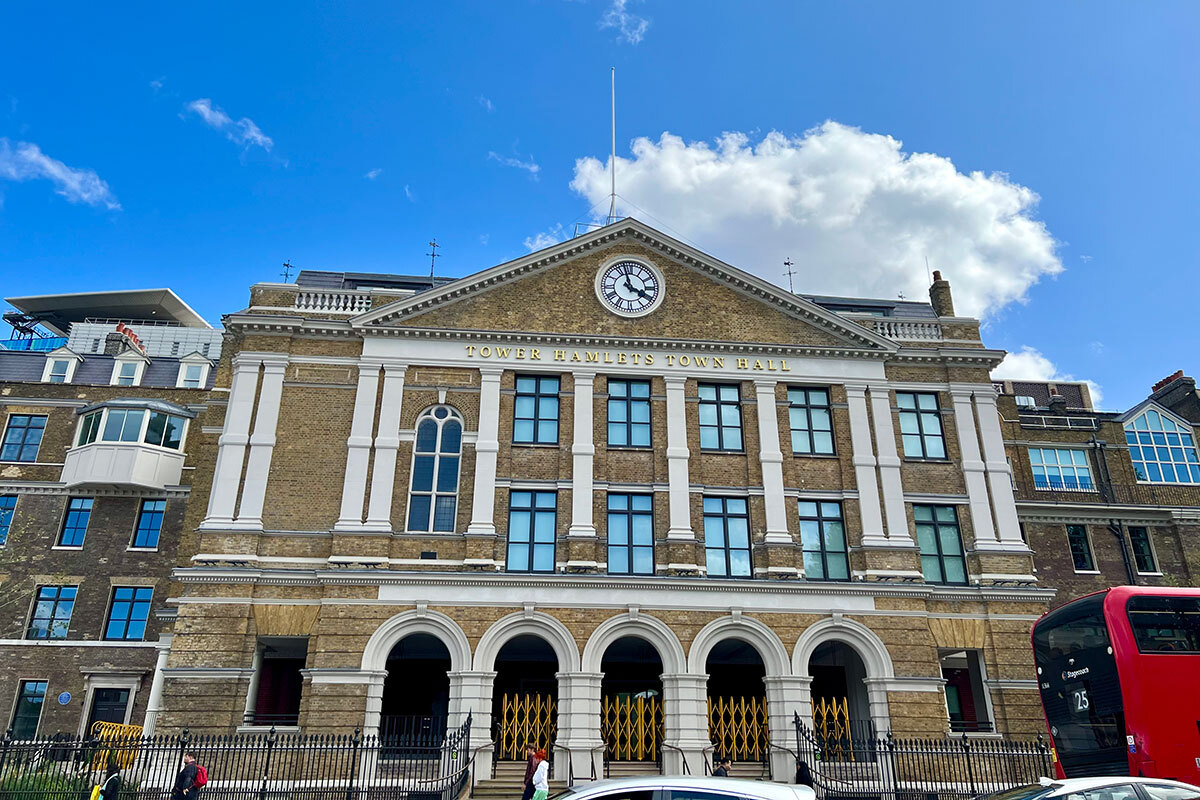
The Court of Appeal dismissed an application by Tower Hamlets Council this week, upholding earlier tribunal decisions that the council could not recover millions of pounds in remedial building costs from leaseholders via service charges.
This potentially seismic ruling shifts financial burdens from leaseholders to councils and housing associations, potentially creating significant pressures on already strained Housing Revenue Accounts, particularly for authorities with aged or prefabricated high-rise stock.
The council had already spent an estimated £9.2m on extensive remediation works at the blocks, which were built in 1967 using Large Panel Systems (LPS). The construction method, later found to carry inherent structural risks, was judged unsafe under normal loading in recent engineering assessments.
Read more
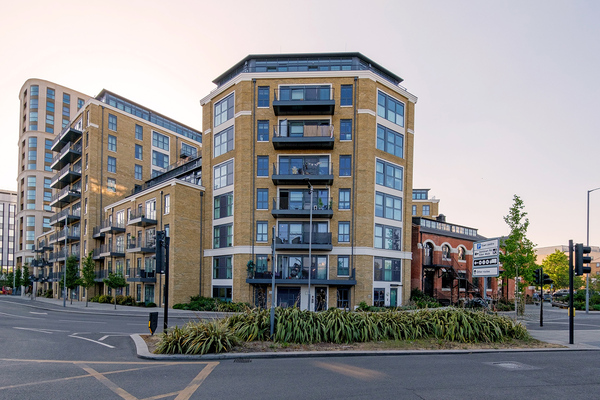


Tower Hamlets sought to pass on some of the cost of the work, with estimates ranging from £70,000 up to £92,000 per flat for those who purchased under the Right to Buy (RtB) scheme.
The judgement upheld the rulings of the First-tier and Upper Tribunals, which had previously ruled that leaseholders on the Barley Mow Estate in Limehouse could not be charged for essential safety or structural strengthening work necessitated by the fact that the estate’s original structure was now deemed unsafe.
The council argued that the lease terms including clauses stating that all such works were at the absolute discretion of the landlord.
The court disagreed, ruling that repair obligations in a lease do not extend to remedying pre-existing defects. It found that “a covenant to repair or maintain a building does not extend to remedying structural defects that were present from the building’s original construction”.
The court also noted that broad sweeper clauses cannot be interpreted to impose exceptionally costly obligations without clear explicit wording, and cannot override the context of RtB leases, where a reasonable purchaser could not be expected to accept liabilities of this scale.
“Broad or general clauses in a lease cannot be interpreted to impose ruinously expensive obligations unless the lease expresses such intent in clear and unambiguous terms,” the judgment found.
LPS buildings rely heavily on panel-to-panel connections with limited mechanical tying and little redundancy, making them vulnerable to disproportionate collapse if a panel fails under loads such as explosions, high winds or fire.
The danger was exposed by the 1968 Ronan Point disaster in Newham, another east London borough, in which a gas explosion caused progressive failure of load-bearing panels, killing four and injuring 17.
Many LPS tower blocks have since been demolished, but at least 1,500 remain standing.
A 2018 building safety review following the Grenfell Tower fire found that Barley Mow’s cladding, installed in the 1990s, was flammable and that the buildings’ reinforcements were not structurally sound.
Tower Hamlets funded cladding replacement with a government grant, but initially informed leaseholders they would be liable for the cost of strengthening the two tower blocks’ support walls.
Leaseholders who purchased flats between 1989 and 2005 were originally quoted £50,000 to £80,000 per flat, but updated figures have now surged to between £70,000 and £95,000.
At least two residents sold flats back to the council with strengthening costs deducted from the sale price.
Residents were decanted in 2020 to allow for the ongoing construction work, which remains incomplete despite an initial 18-month completion plan.
Council representatives have said the works were necessary and that, as a responsible landlord, the council had no alternative to carry them out.
The ruling leaves Tower Hamlets bearing the full cost of the works while leaseholders are absolved of the multimillion-pound bill.
Ellodie Gibbons, a barrister at Landmark Chambers, who represented Barley Mow leaseholders, said the decision could have wider implications for landlords and tenants of other buildings facing safety issues.
She told local publication Tower Hamlets Slice: “Without clear wording in the relevant leases landlords may not be obliged to remedy those issues and tenants may not be obliged to meet the cost of the landlord doing so.”
The ruling is likely to ripple beyond Tower Hamlets, as it highlights the financial risks for councils and housing associations with ageing or prefabricated stock.
It sets a precedent that leaseholders may not be liable for historic design defects, meaning authorities will need to plan for alternative funding routes for safety and remediation works on high-rise estates, particularly those built using LPS.
Sign up to Inside Housing’s Building and Fire Safety newsletter
Sign up to Inside Housing’s fortnightly Building and Fire Safety newsletter, now including a monthly update on building safety from Inside Housing’s contributing editor Peter Apps.
Already have an account? Click here to manage your newsletters.
Related stories