ao link

Exclusive: Large London landlord no longer accepting non-binding nominations from councils

Notting Hill Genesis (NHG) will no longer accept non-binding nominations for housing from London councils.

Linked InTwitterFacebookeCard
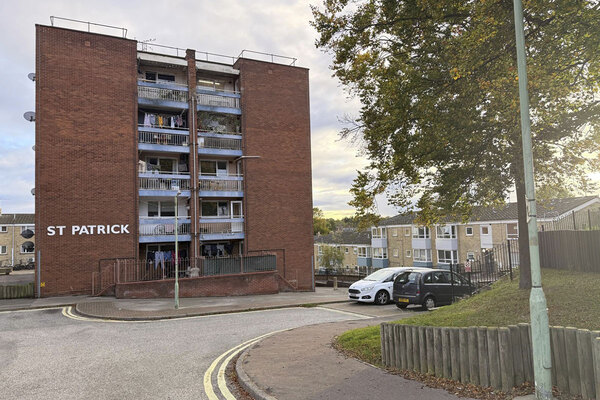
A red brick social housing block
NHG explained that where it has binding agreements, such as Section 106 stock, these will be met (picture: Hiran Perera)
Sharelines

LinkedIn IHNotting Hill Genesis will no longer accept non-binding nominations for housing from London councils #UKhousing

Inside Housing understands that NHG has taken the decision to help ensure its existing stock can best meet the needs of current tenants, and address issues such as overcrowding.

The G15 member explained that where it has binding agreements, such as Section 106 stock, these will be met. 

Non-binding agreements involve London boroughs nominating households on their waiting list into an association home.

However, Inside Housing has learned the landlord had written to London local authority chief executives to say it will no longer accept these applicants, as it looks to help existing residents move on into homes that are more suitable to their needs.

This includes those in overcrowded households or those who want to downsize.


Read more

MPs call for Housing First to be expanded and emergency meeting on temporary accommodationMPs call for Housing First to be expanded and emergency meeting on temporary accommodation
NHG hits 40% of milestones in plan to return to compliance NHG hits 40% of milestones in plan to return to compliance 
UK government mulls introduction of Scottish-style social housing allocation policy in EnglandUK government mulls introduction of Scottish-style social housing allocation policy in England

A NHG spokesperson said: “Given the acute housing crisis in London, demand for quality homes massively outstrips supply and far too many of our residents remain in overcrowded and uncomfortable conditions simply because we do not have anywhere to move them to.

“We have been contacting key partners across London to set out elements of our plan to address this challenge, how it will affect nominations over a two-year period and why this is desperately needed to help their residents, who are our tenants, lead happier and healthier lives by moving them into a home that better meets their needs.

“We recognise the challenges faced by local councils who face their own waiting list pressures, and we are writing to them to openly and transparently engage about our plans and welcome local dialogues that help us achieve the objectives we share for Londoners. We will always meet our contractual and legal obligations.”

NHG’s spokesperson added: “We are committed to making a meaningful contribution to the UK’s housing crisis, and to sustaining strong and trusting partnerships with boroughs and with our residents. We will be investing £1bn in our existing homes over the next decade, and plan to build 3,000 new homes over the next five years.”

The decision comes as the London Assembly is currently consulting on changes to the capital’s allocations policy.

This is at a time when around one in every 50 Londoners are homeless and in temporary accommodation. The average wait time is significantly longer for homes in inner London and for family-sized homes, compared to one-bedroom homes and those in outer London boroughs.

MPs have called for an emergency meeting between councils and housing associations on temporary accommodation amid spiralling costs.

A London Councils spokesperson said: “We are aware of this situation and we are assessing the impact on boroughs.”

Earlier this month, the government unveiled plans to shake up allocation policies in England, and it is currently considering a Scottish-style requirement for social landlords to house people experiencing homelessness.

In its national homelessness strategy, the government said that it will take “immediate action” to ensure that existing and new social housing stock best serves the people who need it most.

It said that if joint working between councils and social landlords on nominations was not “operating effectively”, it would consider levers to require social landlords to rehouse statutory homeless households referred by councils.

The legislation could be similar to Scotland, where housing associations have a legal duty to house homeless households.

The proposals came after a report by Crisis called on Westminster to consider bringing in this policy from above the border, citing figures showing that 54% of social housing lets in Scotland are to homeless households, compared to 27% in England.


Sign up to Inside Housing’s Tenancy Management newsletter


Sign up to Inside Housing’s Tenancy Management newsletter, a weekly round-up of stories on all aspects of tenancy management, from allocations to evictions.

Click here to register and receive the Tenancy Management newsletter straight to your inbox.

And subscribe to Inside Housing by clicking here.

Already have an account? Click here to manage your newsletters.

Linked InTwitterFacebookeCard
Add New Comment
You must be logged in to comment.