You are viewing 1 of your 1 free articles
Former house builder chiefs’ for-profit social housing provider becomes registered provider
A for-profit provider set up by former bosses at house builder Crest Nicholson has announced its registration with the Regulator of Social Housing (RSH).


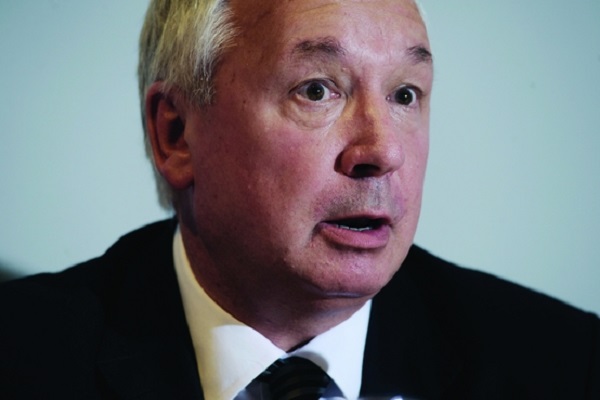 A for-profit provider set up by former bosses at house builder Crest Nicholson has announced its registration with the Regulator of Social Housing #UKhousing
Flint Housing was established in 2020 by Stephen Stone, the chief executive of Crest Nicholson between 2005 and 2018, and William Rucker, who was previously chair of the builder.
The new organisation’s chief executive, Eugene Schreider, said it aimed to deliver around 1,000 new affordable homes over the next three years “with strong ambitions beyond that”.
Mr Schreider, previously a corporate financial advisor at investment banking giant Lazard, is joined on Flint’s board by non-executive directors Sir Peter Dixon and John Knevett.
Sir Peter and Mr Knevett add considerable experience from the social housing sector, with Sir Peter having been the former chair of 45,000-home Optivo and the Housing Corporation. Mr Knevett was previously the chief commercial officer at 38,000-home A2Dominion.
Flint Housing joins a rapidly growing number of for-profit operations – many owned by major private companies, including Legal & General and Blackstone – that have registered with the regulator, or are seeking to do so.
However, there are also some developers that have set up their own for-profit arms including retirement giant McCarthy & Stone and Hopkins Homes.
At May’s Social Housing Finance Conference, Will Perry, director of strategy at the Regulator of Social Housing (RSH), said that 53 for-profit providers had already joined the register, with a similar number “in the pipeline”.
Data published in February 2021 by the RSH revealed that the number of social homes owned by for-profit providers rose by almost 75% – from 5,342 to 9,313 – in the year to March 2020.
Read more
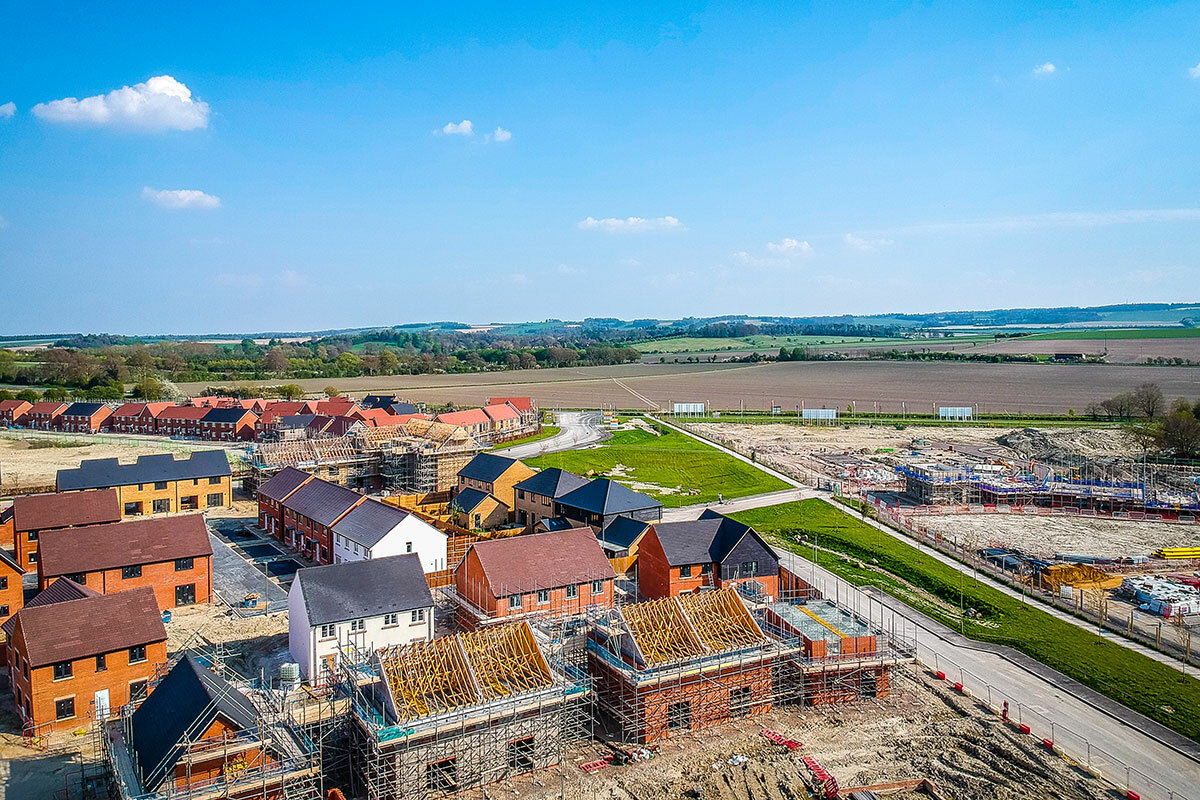
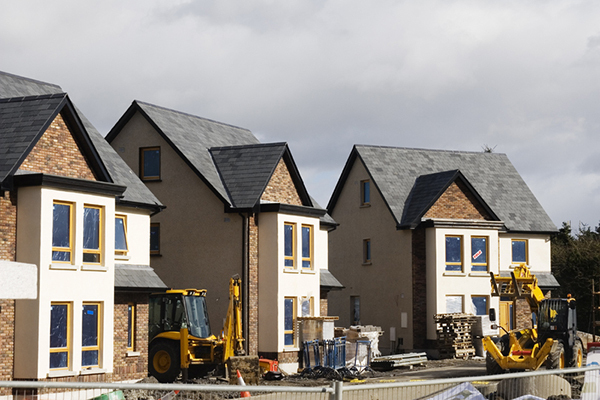


A statement from Flint announcing its registration said the company aimed to “to make a positive social impact by investing shareholder and institutional capital and by working in partnership with local authorities and house builders and, in particular, SME house builders, to develop high-quality, new build affordable housing within and outside of the Section 106 framework”.
It added that Flint would initially be focusing on smaller Section 106 schemes of around 15 to 50 homes – including a 32-home venture with Keepmoat in the West Midlands – as well as non-Section 106 developments of up to 100 homes.
Mr Schreider said: “High-quality modern methods of construction will be incorporated into new build developments where possible,” the statement said, adding that Flint would also look to work with modular house builders to enhance its rate of delivery and develop energy-efficient and zero-carbon housing.
“By funding new build affordable housing and delivering high-quality services, we will facilitate greater disposable income, improved physical and mental well-being and better environmental performance of housing for our residents.”
Sign up for our development and finance newsletter

Already have an account? Click here to manage your newsletters
Related stories