You are viewing 1 of your 1 free articles
London council to allow care leavers to join the housing register from age 18
Hackney Council has amended its allocation policy to allow care leavers to join the housing register from the age of 18 instead of 21, a move that replaces the annual quota scheme currently in place.


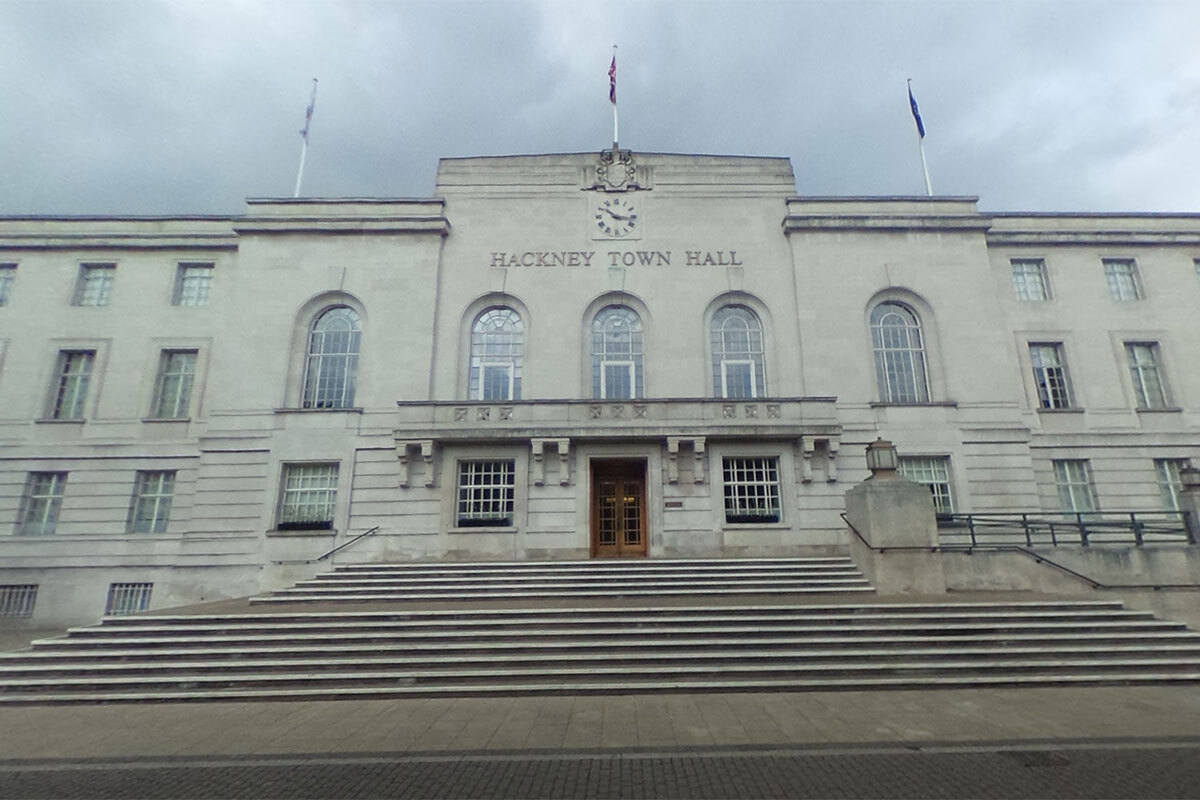 Hackney Council has amended its allocation policy to allow care leavers to join the housing register from the age of 18 instead of 21, a move that replaces the annual quota scheme currently in place #UKhousing
From 1 May, Hackney care leavers aged 18 to 25 will be classed as having a significant housing need and included within Band B on the housing register.
The change, aimed at replacing the “inadequate” current system, is one of 10 recommendations made by a 2022 review of the housing needs of care leavers carried out by two commissions: Living in Hackney and Children and Young People Scrutiny.
Read more

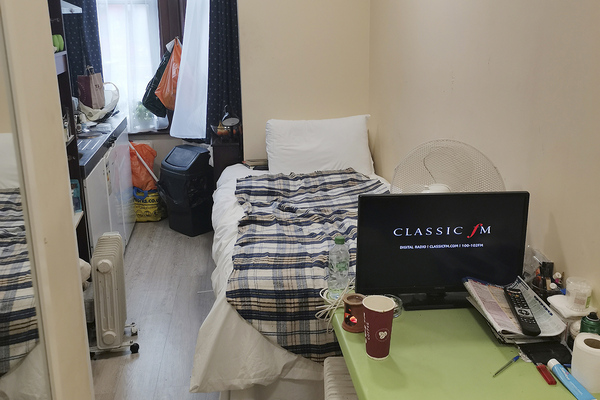
Currently, a quota of 18 social tenancies a year is available to care leavers.
The existing allocation is “inadequate and ineffective at meeting the housing needs of these young adults”, according to a report that went before the council’s cabinet in April.
“Increasing the quota will not address the difficulties care leavers encounter in securing settled housing,” it said.
Almost 400 care leavers aged 18 to 25 were seeking accommodation, the report noted, with most “left deeply disappointed not to be put forward for a social tenancy in Hackney and incredibly anxious about what the future holds for them in terms of housing”.
The current process creates a “crisis pinch point at age 21”, with many care leavers feeling “shocked and unprepared” to leave accommodation sourced and funded by children’s social care into “either a privately rented home or the homelessness pathway”, according to the report.
Care leavers under age 21 are currently unlikely to be accepted onto the housing register because they would be defined as adequately housed and not meeting the criteria for joining.
Dawn Carter-McDonald, interim chief executive of Hackney Council, said it had “become clear that the existing quota of social lets allocated for children leaving care does not meet the demand and limits the ability of the leaving-care team to have meaningful, supportive and effective engagement with care leavers about their housing options”.
The change amends a policy for social rented homes Hackney Council adopted in 2021, which focuses on allocating properties to people “with the most acute housing needs”.
With the changes, “the housing allocations policy remains focussed on ensuring that the limited supply of social housing available is targeted at those households with the greatest housing need”, Guy Nicholson, deputy mayor for delivery, inclusive economy and regeneration, and Sade Etti, deputy cabinet member for housing needs and homelessness, said in a joint foreword to the report.
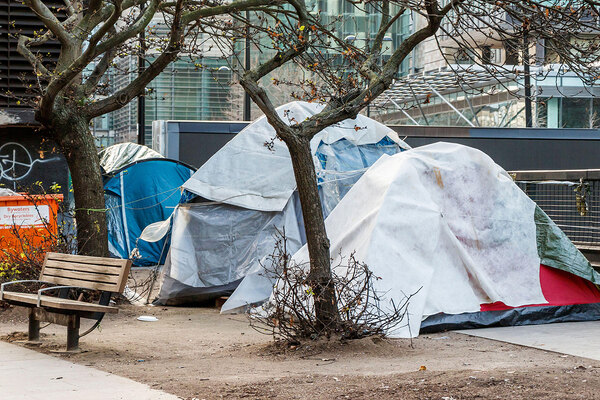
Hackney Council is among those that have been making difficult choices to tackle the crisis. It is looking to lease 300 properties from a newly established real estate investment trust to boost its portfolio of temporary accommodation.
Recent quarterly homelessness statistics for England revealed there were 112,660 homeless households living in temporary accommodation on 31 December 2023, an increase of 12.1% from the previous year.
Sign up for our care and support newsletter

Already have an account? Click here to manage your newsletters
Related stories