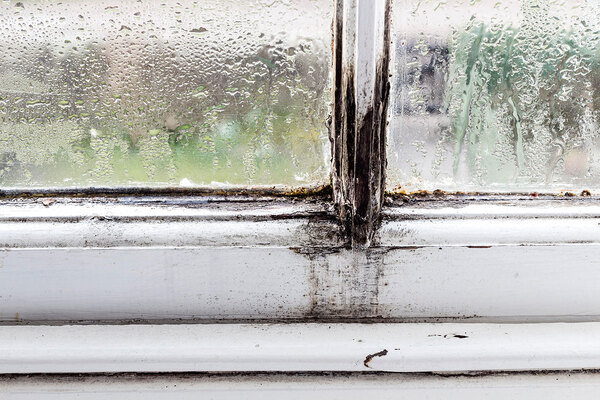
National £3.5bn homelessness strategy to halve number of people sleeping rough and end B&B use for families
In the landmark cross-party homelessness strategy, the government has pledged to halve the number of people sleeping rough long term by the end of parliament and end the unlawful use of B&Bs for families.


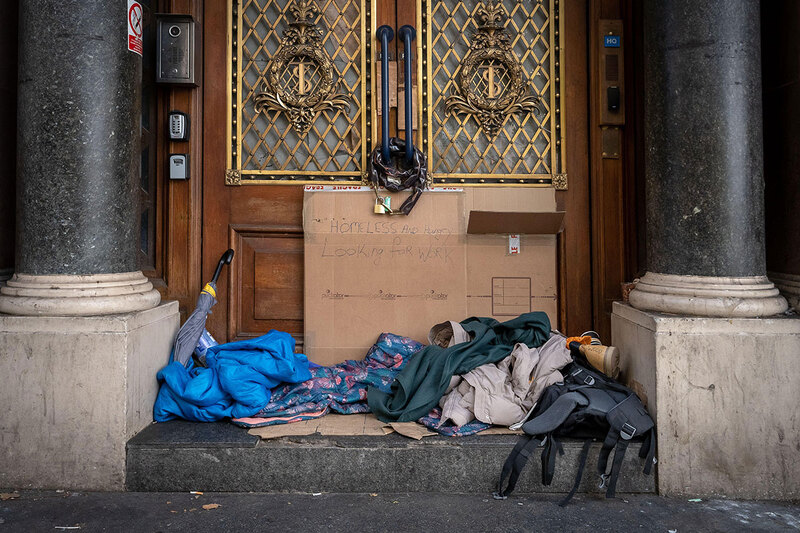 National £3.5bn homelessness strategy to halve number of rough sleepers and end B&B use for families #UKhousingIn the landmark homelessness strategy, the government has pledged to halve the number of people sleeping rough and end the unlawful use of B&Bs for families #UKhousing
The long-awaited National Plan to End Homelessness, first promised by the Labour Party in its 2024 manifesto, is backed by £3.5bn of investment and designed to put “real-world insight” into action.
The blueprint has three key goals: halve the number of people sleeping rough long term, end the unlawful use of B&Bs for families and prevent “thousands” more households from becoming homeless in the first place.
Housing secretary Steve Reed said the strategy is shaped by the “voices of those who’ve lived through homelessness” and the frontline workers who fight tirelessly to prevent it.
“Through our new strategy, we can build a future where homelessness is rare, brief and not repeated. With record investment, new duties on public services and a relentless focus on accountability, we will turn ambition into reality,” he said.
Read more


The previous national homelessness strategy, drawn up under the Conservative government, had a target of ending rough sleeping for good by 2024 and was supported by £2bn of investment.
Yet this goal was not met and the homelessness crisis has since deepened, with the number of families in temporary accommodation at a record high and rough sleeping rising.
The last official rough sleeping snapshot from Autumn 2024 revealed that 4,667 people were homeless on England’s streets – a 20% increase in just a year.
The new homelessness strategy has a target of halving the number of people sleeping rough long term by 2029 and said it will “rewire the system” to target support where it is needed most.
Measures include the launch of a new £124m supported housing scheme to get more than 2,500 people across England off the streets and into more stable housing.
A £15m Long-Term Rough Sleeping Innovation Programme has been designed to help councils develop fresh solutions.
There is also £37m of funding for an Ending Homelessness in Communities programme, which is aimed at increasing support and improving vital services provided by the voluntary, community and faith sector.
The plan also pledges to end the unlawful use of B&Bs for families, aiming to bring relief to the 2,070 households trapped beyond the six-week limit in unsuitable conditions – often living in one room with no cooking facilities.
The builds on the commitment in the recently published child poverty strategy, in which the government promised it would “work with” the NHS to stop mothers with newborn babies being discharged to B&Bs or other unsuitable accommodation.
In a bid to prevent more households from becoming homeless, the government will bring forward legislation for a new ‘duty to collaborate’ that will require public bodies to work together to prevent homelessness.
The latest homelessness statistics showed that the number of households owed a prevention duty due to leaving institutions – including prison, hospitals and looked-after child placements – rose by 25.5% in the year 2024-2025 to reach 4,430.
The new strategy has targets on cutting homelessness linked to prisons, social care and hospitals, including halving the number of people who become homeless on their first night out of prison.
It will also aim to ensure that no ‘eligible person’ is discharged to the street after a hospital stay by setting out a long-term ambition that no one should be made homeless from a public institution.
As well as the duty to collaborate, councils will need to publish a tailored action plan alongside their local homelessness strategy, including setting local targets on key outcomes.
The government is also calling on mayors to “lead with ambition” on homelessness, backed by new funding to drive collaboration between councils, services and partners.
In addition to prevention measures, the strategy will boost the supply of “good-quality” temporary homes, backed by £950m through the fourth round of the Local Authority Housing Fund.
The government also said it would work to improve the “quality and suitability” of temporary accommodation by enforcing “strong protections” against poor housing conditions, including out-of-area placements.
An additional £50m of in-year funding for 2025-2026 will be allocated to local authorities through the Ministry of Housing, Communities and Local Government’s Homelessness Prevention Grant.
The strategy includes plans for a National Workforce Programme to equip frontline teams with essential training and expert advice. The government said progress will be tracked through national reports, which will be overseen by the Inter-Ministerial Group on Homelessness and Rough Sleeping to ensure “transparency, accountability and momentum”.
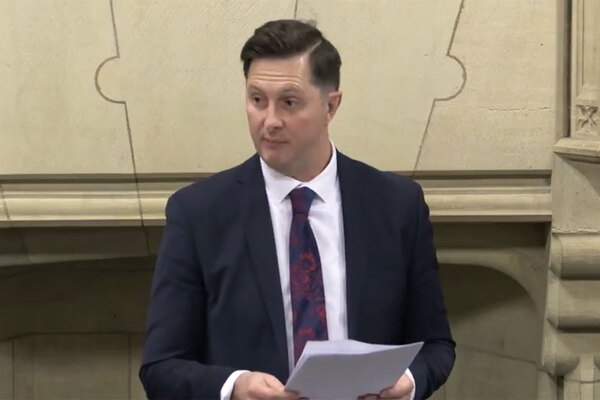
Local government and homelessness minister Alison McGovern said: “Everyone deserves a roof over their head. And for those experiencing the worst of homelessness right now – our children – they deserve a place to play and a bedroom to do their homework in.
"It’s our collective responsibility to make that a reality for anyone at risk of homelessness, be it sofa-surfing or getting stuck on the streets.
“By working together – including government, local leaders, charities and communities – we can stop homelessness before it happens and ensure that when people do fall into crisis, support is swift and effective.”
Sign up to Inside Housing’s Homelessness newsletter
Sign up to Inside Housing’s Homelessness newsletter, a fortnightly round-up of the key news and insight for stories on homelessness and rough sleeping.
Click here to register and receive the Homelessness newsletter straight to your inbox.
And subscribe to Inside Housing by clicking here.
Already have an account? Click here to manage your newsletters.
Related stories