A duty on councils to temporarily house homeless people who are not in priority need has been stripped out from a new bill that aims to reduce homelessness.
A new version of the Homelessness Reduction Bill was published this morning, following negotiations with interest groups including the Local Government Association (LGA) . The bill would place duties on councils to take actions to prevent homelessness.
The original bill included a new duty on councils to provide emergency temporary accommodation for 56 days to people with a local connection but who are not in priority need and who have nowhere safe to stay.
Councils have said that such a duty would place too much pressure on local authorities, which are already struggling to keep up with spiralling homelessness demand. This duty has now been removed from the bill, on the basis that it would be too costly.
The Local Government Association said on Wednesday it was close to supporting the bill after initially being hostile to the proposals.
The latest bill has also removed an original proposal to introduce new grounds to deem people ‘intentionally homeless
It would have meant ‘priority need’ households (mainly families) could have lost their right to housing. Instead, households that deliberately and unreasonably refuse to cooperate with the local authority will still be eligible for accommodation if they are in priority need. The bill has undergone additional changes, such as allowing carer leavers to claim a ‘local connection’ to the area that they have been accommodated in.
The central thrust of the bill, which would place duties on councils to take steps to prevent homelessness, remains.
Jon Sparkes, Crisis chief executive, said: “It’s crucial we get this right, and a huge amount of work has already been done to make sure that happens, including an in-depth inquiry from the CLG Committee.
“Never before has a private member’s bill been subjected to such close, expert scrutiny, and there can be little doubt that we have a credible and much-needed piece of legislation. It is a major opportunity to improve the rights of people currently shut out of the system, whist continuing to protect families with children.”
The government is understood to be sympathetic to the bill, although it has not formally announced support for it. The bill comes before the House of Commons for its second reading next Friday. At least 100 MPs need to attend the debate in order to prevent the bill from risk of being ‘talked out’ by MPs opposed to it.
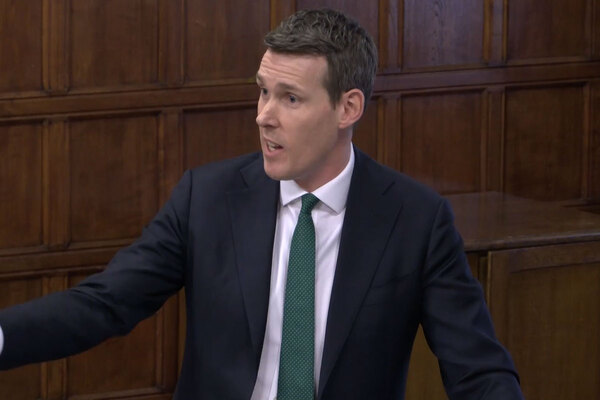
Bob Blackman, the Conservative MP that tabled the bill said: “I am grateful for the support of Crisis and the work they have put in to help ensure this bill will really make a tangible difference in tackling homelessness in this country.
“The additional scrutiny of the Select Committee for Communities and Local Government on the draft text has also really made a real difference in crafting an achievable and well considered piece of legislation. I hope that members from all sides of the House will therefore feel able to show their support and help it over this first big hurdle on 28th October.”
UPDATE 21/10/2016 at 3pm
Lord Gary Porter, LGA chair, said: “After having worked closely with Bob Blackman, we are confident that the new Bill, if it does go through Parliament, will be in a better place.
“However, it is clear that legislative change alone will not resolve homelessness. If we are all to succeed, then all new duties proposed in the bill will need to be fully funded. Councils need powers to resume our role as a major builder of affordable homes.”
Related stories