You are viewing 1 of your 1 free articles
Number of social homes up by 1% in Wales
The number of social rent homes in Wales has increased, according to the latest government figures.


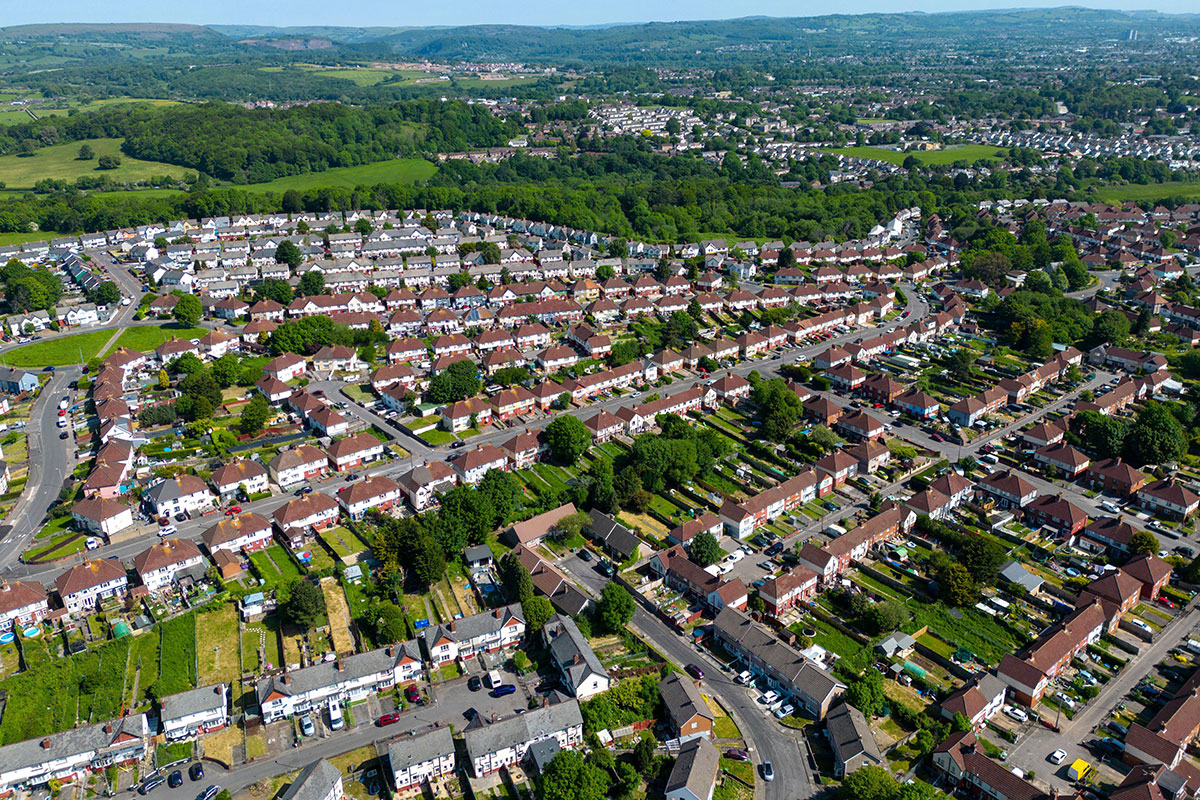 Number of social homes up by 1% in Wales #UKhousing
The Welsh government’s most recent assessment found there were 247,389 social housing units, including bedsits and bed spaces, at the end of March.
This was a rise of 1% compared to the 244,260 homes counted at the same point in 2025.
Read more


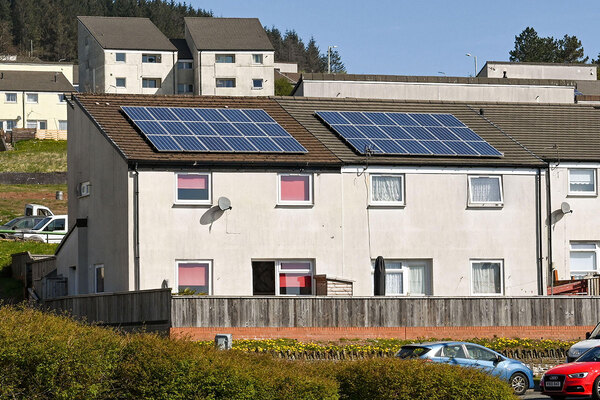
The average weekly rent for self-contained social housing in the country was £120.10 for councils and £125.20 for housing associations, an increase of 4% and 5%, respectively, compared to last year.
The gap between rents charged by councils and registered providers continued to widen, with the £5.10 average discrepancy the biggest it has been since 2013-14, when data was first collected.
Of the social homes, 94% were self-contained general need or sheltered housing.
The remaining 6% were not covered by the Welsh Government Rent and Service Charge Standard but still classed as social housing.
Housing associations owned 63% of all social homes and Wales’ 11 stock-retaining councils owned the remaining 37%.
Across the whole of Wales, social homes account for almost 18% of the total housing stock, but with significant variation across regions.
In both Blaenau Gwent and Torfaen, both in what was once South Wales’ industrial heartland, the figure is about 26%.
But in rural Ceredigion it falls to 11.2%, a region that also has the smallest overall social housing stock of the country’s local authorities, with fewer than 4,000 homes.
In total, 12 local authorities recorded fewer than 10,000 social housing units, while the two biggest cities, Cardiff and Swansea, have a combined total of more than 52,000 units.
Sign up to Inside Housing’s Wales newsletter
Sign up to Inside Housing’s Wales newsletter, a fortnightly round-up of all the key news and insight affecting the Welsh affordable housing sector.
Already have an account? Click here to manage your newsletters.
Related stories