You are viewing 1 of your 1 free articles
Peabody plans to start on 15,000-home Thamesmead new town site within this parliament
Peabody has confirmed that it expects to submit a planning application for its 15,000-home Thamesmead Waterfront site within the next 18 months, and to begin on site by 2029.


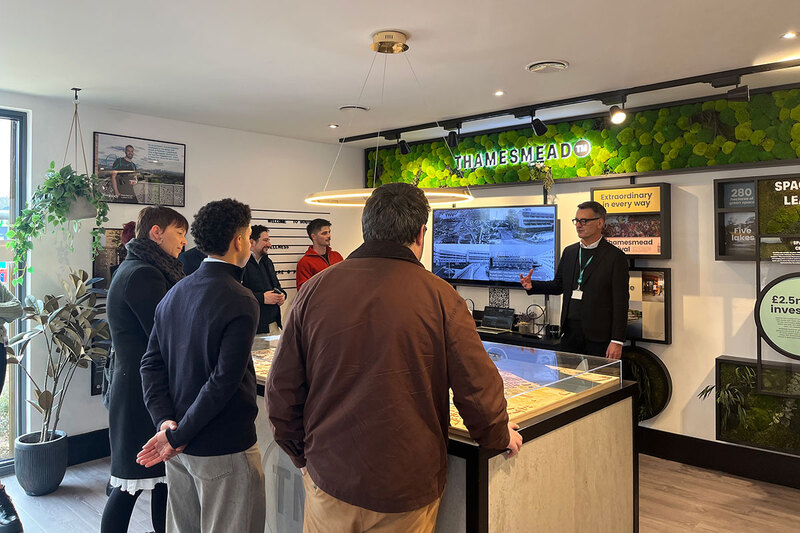 Peabody plans to start on 15,000-home Thamesmead new town site within this parliament #UKhousing
The London site is currently under consideration by the government as a potential new town, after being named by the New Towns Taskforce, with a consultation on the government’s chosen locations expected in the coming weeks.
Peabody, in a joint venture partnership with Lendlease, plans to build 15,000 homes, 35% of which will be affordable homes, over 30 years on its 100-hectare site in east London.
During a site visit with City Hall’s Planning and Regeneration Committee last week, Peabody confirmed that its plans for the site, which have been years in the making, will “go ahead regardless” of whether it is designated a new town.
Read more
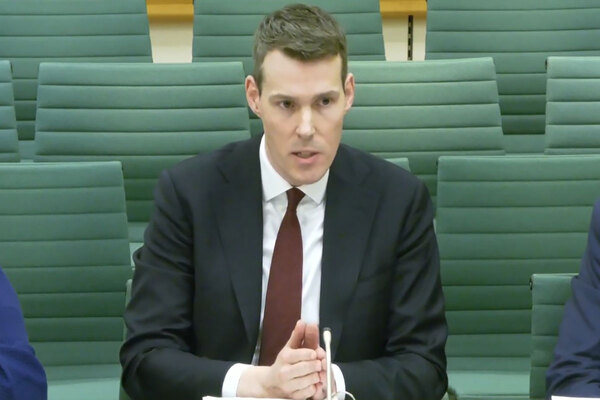
Kate Greenaway, project director for Thamesmead Waterfront at Peabody, said: “I think we’d still have the same ambitions in terms of scale and what we’re trying to achieve in terms of place, but it would provide that certainty, potential investment and acceleration of delivery.”
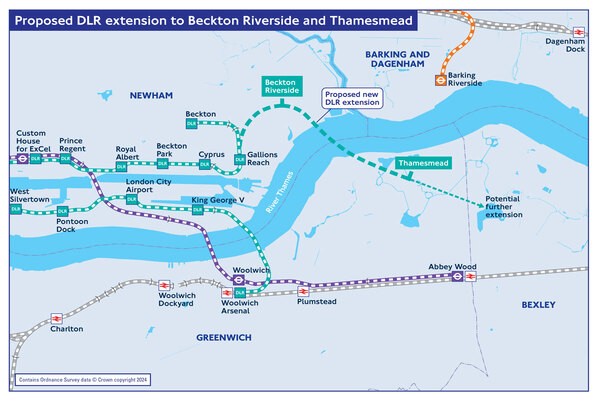
The project, officially launched in 2019, is dependent on an extension of the DLR to Thamesmead, which was backed by the government in the Autumn Budget 2025.
Ms Greenaway said: “We’ve always needed the certainty, the infrastructure. Now we’ve got that through the DLR, so we’re looking, potentially, to submit a planning application within the next 18 months.
“Obviously, that is dependent on planning. That’s dependent on conversations with the GLA planning and with Greenwich, but realistically, we could be on site within this next parliamentary period.”
John Lewis, executive director of sustainable places at Peabody, told Inside Housing the housing association hopes to submit an outline position at the end of this year, with detailed consent to follow the year after.
He said: “I think, without question, that one of the biggest things that is needed is the DLR. And if you look at the timeline for that, that’s within this parliament to start. We have got a very supportive local authority with their draft local plan, which has put what we’re saying about the waterfront into the draft.
“So the infrastructure for approvals is already emerging really well, if you go through that layer of timing, us getting the outline consent in place, then allow phase one consent – that’s certainly within this parliament.”
While the current masterplan for the site includes 35% of homes at affordable tenures, which is “policy-compliant” with the Royal Borough of Greenwich, Mr Lewis said Peabody is aiming for 40%, as recommended by the New Towns Taskforce.
He said the 40% is “absolutely right”, and Peabody wants to “make sure the numbers are as good as they can be”, but that viability will be “the test of delivery”.
On funding, Mr Lewis said: “I think, for the Thamesmead Waterfront, we need some longer-term funding support, and then the big returns are as the whole area establishes itself.
“So that might mean that we are reliant on some creative public funding. And then, of course, in terms of what I call cash flow, to then see the returns for government later on in the cycle, which is effectively an investment model for the DLR, really, we could stretch that through the waterfront.
“This does mean for some creative discussions. It does mean the Treasury will have to look at some things quite creatively. I think they’re up for it. I’ve seen it before in other situations.”
Mr Lewis suggested that a “place funding pot” for new towns could replace the need to use social housing grants.
He said: “The interesting thing is, do you need to put exactly money into social housing grant support, or do you put the scale of investment to deliver the place, of which the commitment of that place to put in is social housing?
“So you might not need any social housing grant, because actually, you’ve had all your support for viability, say, through decontamination and road building and bus provision, allowing then some of the physical costs of the affordable housing build that we can cover because other things have been covered that may not have been able to be spent if you just stick to the affordable housing grant.”
The government has so far not confirmed exact funding details for the new towns programme, but has confirmed that funding will come from “within the spending envelope from existing sources”, pointing to the £39bn Social and Affordable Homes Programme.
Ahead of its upcoming consultation on chosen locations, the government is conducting strategic environmental assessments with each of the 12 sites put forward by the taskforce.
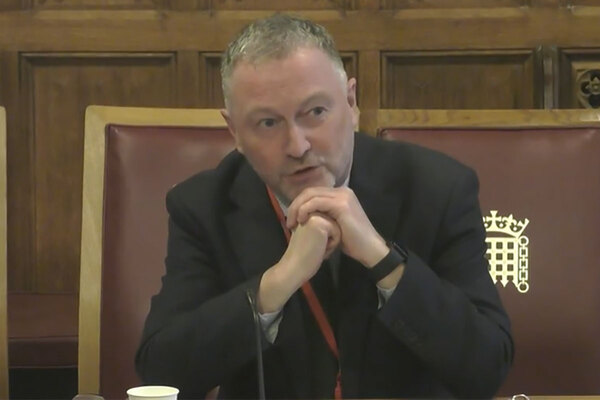
James Small-Edwards, chair of the Planning and Regeneration Committee, said on his visit to Thamesmead Waterfront that it is “an amazing site”, but emphasised the need to “get it right from an affordability perspective”.
On the aspiration for 40% affordable housing, he said: “I think if it’s viable, then that’s absolutely what we should be going for. From conversations with Peabody that I’ve had, they’ve got a commitment to social housing, to affordable housing. I think they view that ambition as a target that they’d like to meet.
Sign up to Inside Housing’s Development and Finance newsletter
Sign up to Inside Housing’s weekly Development and Finance newsletter, featuring a round-up of business, development and regeneration news and analysis.
Click here to register and receive the Development and Finance newsletter straight to your inbox.
And subscribe to Inside Housing by clicking here.
Already have an account? Click here to manage your newsletters.
Related stories