You are viewing 1 of your 1 free articles
Reporting of emergency hazards rises sharply as Awaab’s Law takes effect
Social landlords have reported a large increase in emergency hazards in their homes as the impact of Awaab’s Law is beginning to be seen across the sector.


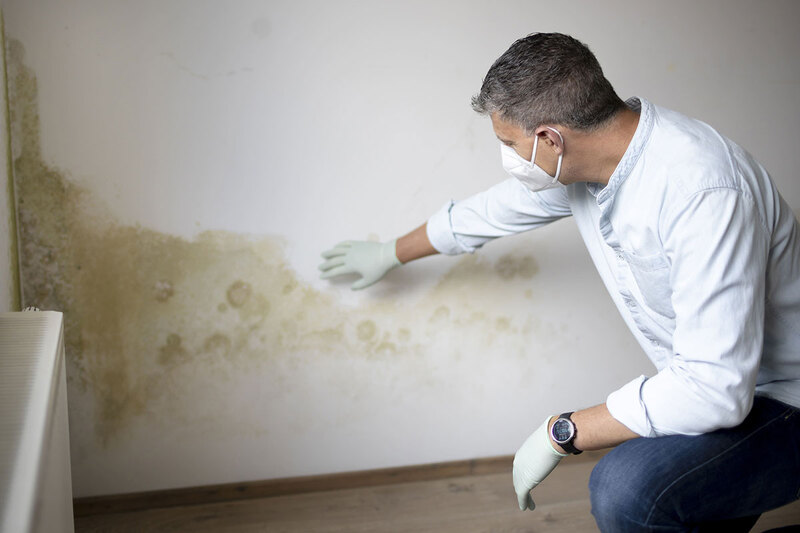 Reporting of emergency hazards rises sharply as Awaab’s Law takes effect #UKhousing
The latest performance data from Housemark, covering February 2026, shows a considerable rise in the number of emergency hazards being reported, with a median of 35.8 such reports per 1,000 homes, compared to a median average of just 6.3 in January.
The mean average of emergency hazards per 1,000 homes for the 140 landlords tracked by Housemark was 48.9, up only slightly from January’s figure of 47.3.
According to Housemark, such an increase in the median figure coupled with only a slight rise in the mean suggests that there is still significant variation when it comes to reporting hazards between different organisations.
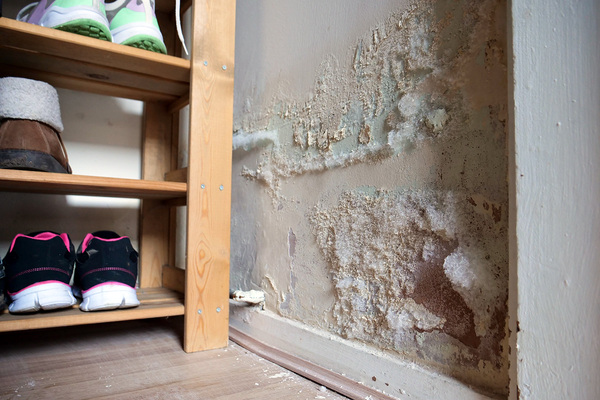
The latest Pulse report added that the increase is not being driven by a sudden deterioration in housing conditions but is more likely a result of landlords improving their reporting processes.
Jonathan Cox, chief data officer at Housemark, said: “This monthly Pulse shows the sector entering a more transparent phase of reporting under Awaab’s Law.
“Rising hazard numbers reflect better identification and investigation, not a sudden decline in housing quality. At the same time, falling repair volumes are not translating into better outcomes, which tells us capacity constraints and complexity remain firmly in place.
“The priority now is consistent compliance, consistent delivery and consistent data across the sector.”
Housemark data also revealed that landlords were maintaining a strong performance when it comes to handling these hazards, with 96.3% resolved within 24 hours.
However, there was also a wide performance gap between operators here, with some landlords reporting success rates as low as 25%.
The data also showed that pressure on repairs services has continued to be a problem for the sector.
Responsive repairs volumes fell by 6.5% month on month to a median of 306.8 repairs per 1,000 homes, while the median proportion of repairs completed within target fell slightly to 87%, from 87.4% last month. Tenant satisfaction with repair services was also down.
Void performance has also remained weak, according to the latest figures, with only 15% of landlords surveyed managing to sustain month-on-month reductions in vacancy rates over the past year.
Sign up to Inside Housing’s Asset Management newsletter
Inside Housing’s Asset Management newsletter brings you comprehensive in-depth news, comment, insight and analysis of how affordable housing providers are managing their homes.
Already have an account? Click here to manage your newsletters.
Related stories