You are viewing 1 of your 1 free articles
‘Stop arguing and put this right’: MPs condemn government ‘failure’ over dangerous cladding
The government has no convincing plan for how to meet its target for remediating buildings with deadly cladding and must “put a stop to arguing over who’s responsible and put this right”, a committee of MPs has said.


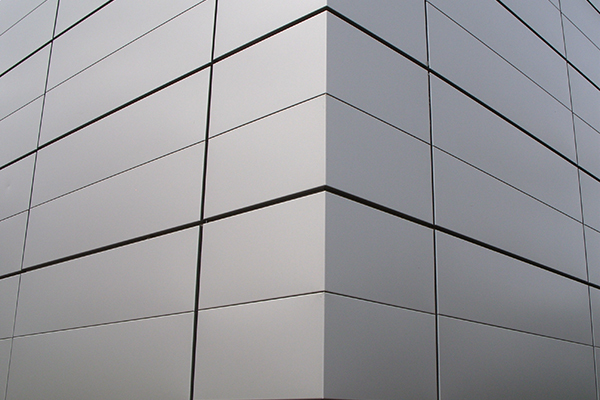 The government has no convincing plan on how to meet its target for remediating buildings with deadly cladding and must “put a stop to arguing over who’s responsible and put this right”, a committee of MPs has said #UKhousing
The Public Accounts Committee, which monitors public spending and has nine Conservatives among its 16 members, today delivered a withering verdict on the failure to make buildings with dangerous systems safe in the aftermath of the Grenfell Tower fire.
Its chair, Meg Hillier, slammed the Ministry of Housing, Communities and Local Government (MHCLG) for making “pie-in-the-sky” promises regarding the removal of cladding, which it “failed to plan, resource, or deliver”.
The committee branded the presence of Grenfell-style aluminium composite material (ACM) cladding on almost 300 buildings “unacceptable”.
MHCLG was castigated for “system-wide failure” in building regulation and a chaotic response that “leaves tens of thousands to live in fear and financial limbo”.
Since the Grenfell Tower fire in June 2017, 455 tall buildings with dangerous ACM cladding have been identified but just 158 have been remediated, with progress particularly slow in the private sector.
The government set a target of June this year to meet this target, but did not come close to meeting it. It has now set an “ambition” for the completion of works by the end of 2021. The Public Accounts Committee said it is “imperative” that this is achieved.
“The government has no convincing plan for how it will meet that new deadline, though, and even if it does there are a host of other serious shortcomings exposed by the Grenfell disaster that also need to be addressed,” the committee said.
Read more

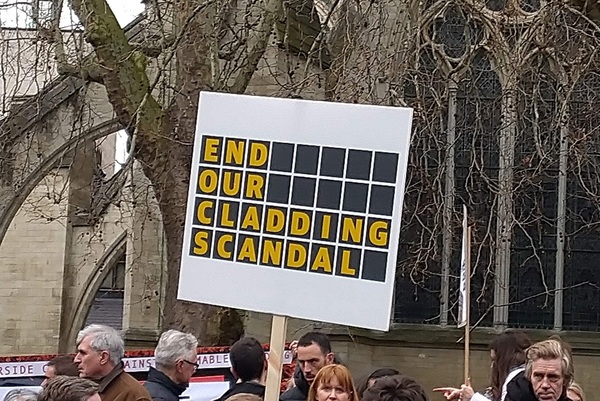
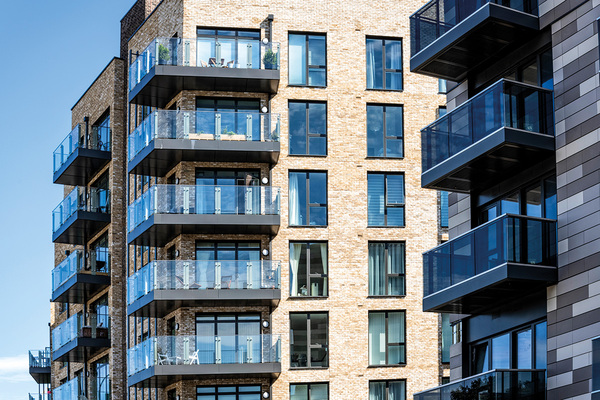
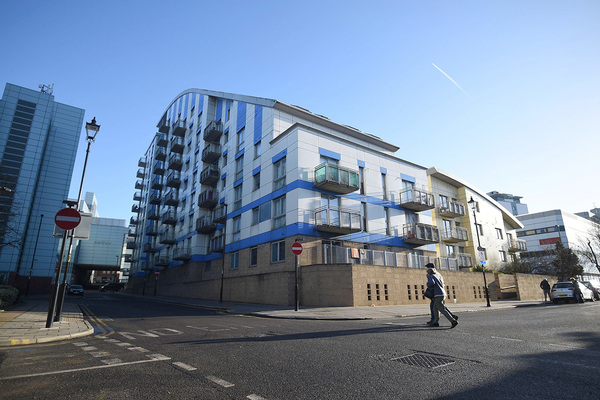
A further 1,700 tall buildings with dangerous cladding of other types and an estimated 11,300 medium rises also require remediation work.
While the government has provided £600m to fund the removal of all ACM cladding from high rises, it has committed to fund just £1bn of the estimated £3.5bn of the remaining systems – likely leaving the remainder to fall on leaseholders.
“While [MHCLG] is clear that building owners are responsible for the safety of their buildings, it is [MHCLG] which is responsible for the building regulation system, which it accepts has been ‘not fit for purpose’ for many years,” the report added.
The report made a number of recommendations, including:
- “Rigorous” enforcement action against building owners that are unlikely to complete remediation by 2021 and the publication of estimated completion dates by building
- Identify any care homes below 18m with dangerous cladding that the government currently has “no knowledge of”
- Write to the committee within three months to present a plan for leaseholders affected by zero valuations and spiralling insurance premiums
- Set out what steps the government is taking to provide greater transparency for residents throughout the remediation process
Ms Hillier, the Labour MP who chairs the Public Accounts Committee, said: “Thousands of people have been condemned to lives of stress and fear in unsaleable homes with life-changing bills, for the works and for the fire watch that is necessary to allow them to sleep at night until it is done.
“The government has repeatedly made what turned out to be pie-in-the-sky promises – and then failed to plan, resource, or deliver. The deadly legacy of a shoddy building regulation system has been devastating for the victims and survivors of Grenfell but is leaving a long tail of misery and uncertainty for those whose lives are in limbo.
“The government must step up and show that it will put a stop to the bickering over who is responsible, who’s going to pay for the remediation – and just put this right.”
Leaseholder groups of residents in affected buildings welcomed the report and called on the government to act.
Jake Ellis, a founding member of Southampton Cladding Action Group, said: “We agree wholeheartedly that the government should ‘put a stop to arguing over who’s responsible and put this right’. Leaseholders did not regulate these buildings. Leaseholders did not construct these buildings. Leaseholders do not own these buildings.
“That the government is still willing to risk hundreds of thousands of lives, while allowing developers and building owners to pass on all costs to leaseholders, is one of the largest scandals the UK has seen.”
Ritu Saha, a founding member of the UK Cladding Action Group, added: “We call on the government to put the safety of residents of this country first, and expand the size and scope of the Building Safety Fund to make all these homes safe. A failure of regulation is a failure of governance, and we call on the government to stop making innocent residents pay mentally and financially for a failure of regulation and industry.”
Giles Grover, a leaseholder from the Manchester Cladiators group, added: "The government’s previous ACM remediation target date, of June 2020, has been pushed back eighteen months and it is very likely the aim to commit the Building Safety Fund in under seven months is another ’pie-in-the-sky’ promise.
"We have grown tired of the Government’s warm words and good intentions and we echo the chair’s comments that the government must now step up, put a stop to the bickering and just put this right."
An MHCLG spokesperson said: “We’re determined to ensure residents are safe and feel safe in their homes and are providing £1.6bn to speed up the removal of unsafe cladding. We are seeing significant progress - over 70% of buildings with ACM cladding have completed or are in the process of remediation.
“We’re introducing the biggest improvements to building regulations in almost 40 years and a new regulator will ensure that people who design, build and manage high rise buildings are held responsible for building safety.
Read our special report into why the government has failed to fix the cladding crisis
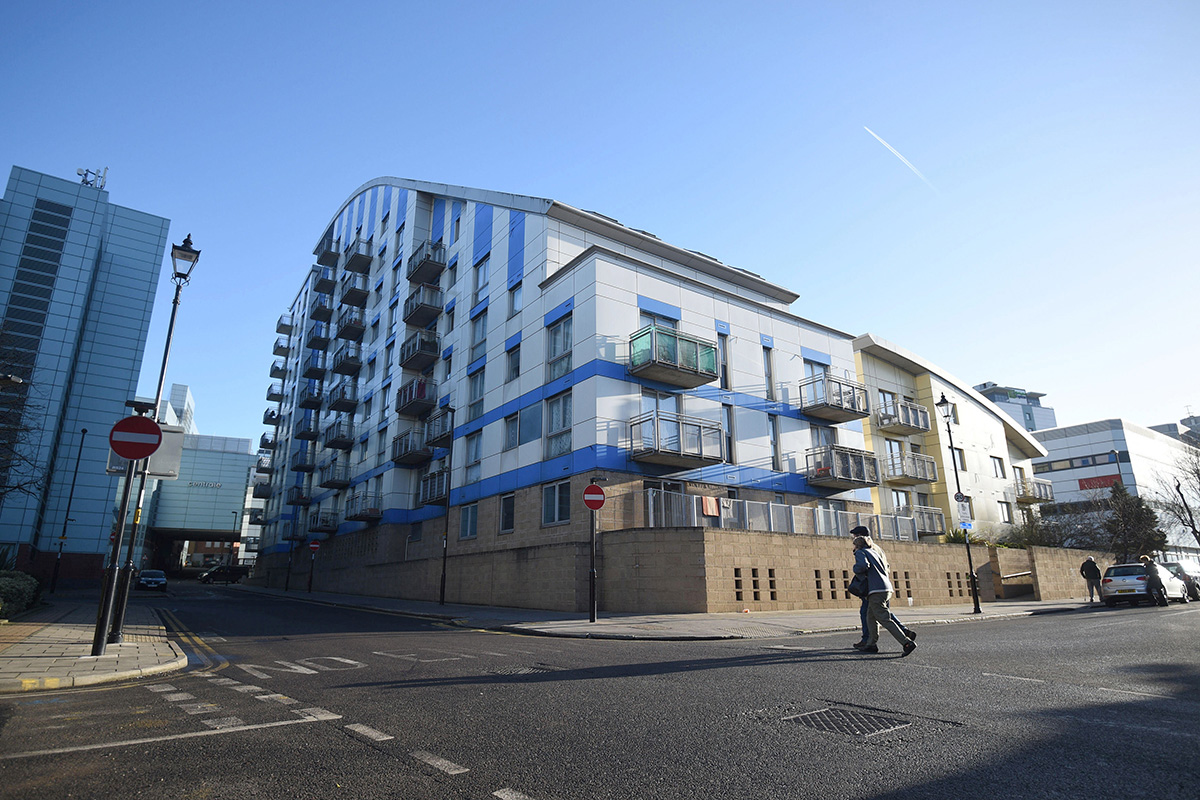
Pete Apps speaks to a series of insiders to unpick the behind-the-scenes story of a three year failure to remediate buildings with dangerous cladding in the aftermath of the Grenfell Tower fire.
Sign up for our weekly Grenfell Inquiry newsletter
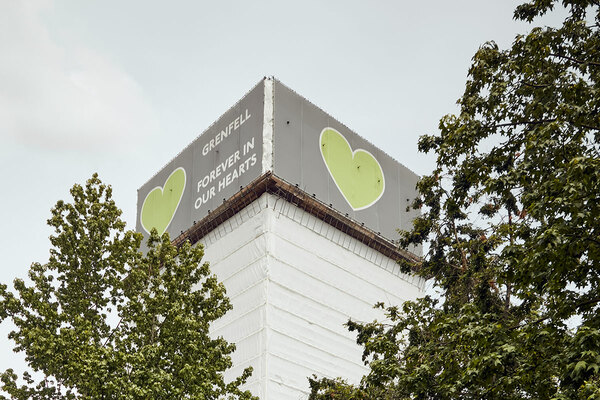
Each week we send out a newsletter rounding up the key news from the Grenfell Inquiry, along with the headlines from the week
Already have an account? Click here to manage your newsletters
Related stories