You are viewing 1 of your 1 free articles
Supreme Court judgment clears way for developers to reclaim remediation costs from contractors
Developers can pursue third-party contractors for the cost of building safety remediation work, the Supreme Court has ruled.


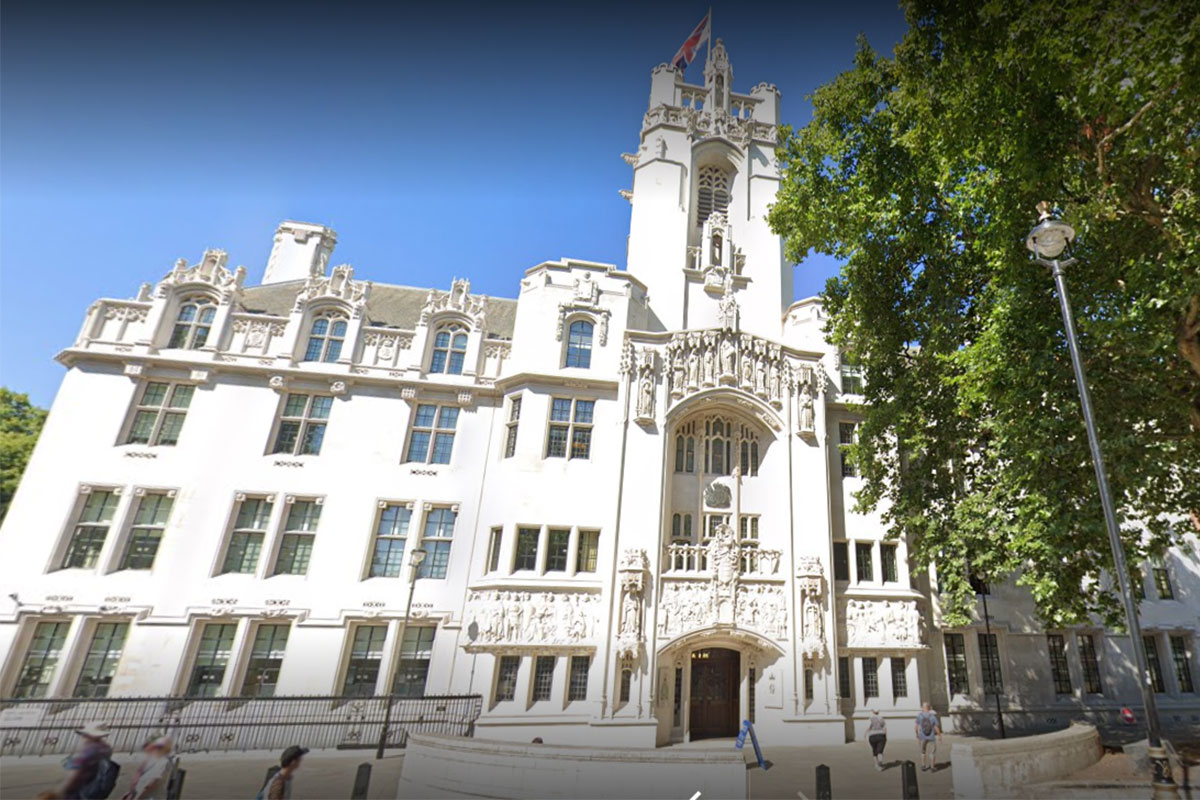 Supreme Court judgment clears way for developers to reclaim remediation costs from contractors #UKhousing
In a landmark judgment, the court unanimously dismissed an appeal by the URS Corporation against BDW Trading, better known as Barratt Redrow, over whether the former can be held accountable for remediation work to two high-rise developments.
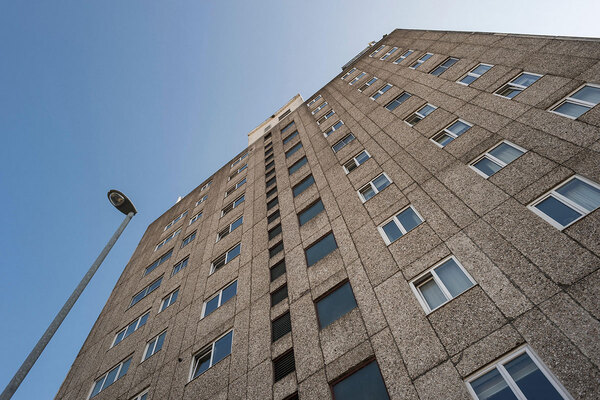
In the wake of the Grenfell Tower disaster, BDW found defects at two high-rise developments, Capital East in London and Freemens Meadow in Leicester, for which URS, now part of AECOM, had provided engineering consultancy services.
BDW had sold on the developments, and was not subject to any claim by residents – which in any case would have been time-barred.
Read more



Even so, it decided to initiate remediation works, starting in 2020, and in March that year brought a civil claim of negligence against URS to recover the costs.
The claim was later amended after the Building Safety Act (BSA) came into force in 2022. Section 135 of the act retrospectively extends from six to 30 years the period under which claims can be brought, under the Defective Premises Act (DPA) 1972, against parties that build dwellings inadequately.
After failing to make its case in lower courts, URS was given permission to appeal under four grounds. These were whether the cost incurred by BDW was out of scope because the work had been conducted voluntarily, whether BSA section 135 applied, whether URS owed BDW a duty under the DPA, and whether BDW was entitled to bring a claim when it had not been pursued by any third party.
The court rejected the argument that URS had established a “voluntariness principle” rendering repair costs irrecoverable. It added that it was “strongly arguable” BDW had not carried out the repairs entirely voluntarily “in particular because of the risks of personal injury or death to homeowners if it did not do so”.
On the second point, the court disagreed with URS’s assertion that only claims brought directly under the DPA were subject to the extended liability period introduced by the BSA. Any claim based on the DPA is subject to the 30-year limit, judges found.
“The BSA is part of the government’s response to the need to identify and remediate historic building safety defects as quickly as possible, to protect leaseholders from physical and financial risk and to ensure those responsible are held to account,” the judgment noted.
Ruling out ‘onward’ claims by parties such as BDW who may themselves by subject to actions from residents “would ‘penalise’ responsible developers… who had been proactive in investigating, identifying and remedying building safety defects,” it added.
Similarly, the court did not accept URS’s contention that the DPA’s purpose was to deal with unfairness experienced by homeowners, and therefore a developer could not be owed a duty under it.
“The purpose of the DPA is better served if the duty is widely, rather than narrowly, owed,” the judgment said. “On the facts of the present case, it would better serve the policy of ensuring the safety of dwellings if BDW itself had rights under the DPA against a party primarily liable for the defects."
On the final ground, the Supreme Court found there was no reason to prevent BDW bringing a claim against URS, even when it was not subject to any judgment, settlement or claim itself. It was sufficient that BDW had made a payment in kind, by performing remedial works, in compensation for the damage suffered by the homeowners.
Rob Horne, head of construction disputes at Osborne Clarke, which acted for BDW, said that for residential developers “there is now significantly more clarity over the full effect of the retrospective limitation period introduced by the BSA”.
"There is significant commentary in the judgment supporting a proactive approach towards remedying defects, particularly as they relate to health and safety,” Mr Horne said. “[Proactive] developers are able to recover the remedial costs from those most responsible for the safety defects in question.”
“Any claim by a developer would still have to show it acted reasonably in the steps it took to deal with the defects,” Mr Horne added.
Construction specialist Chris Butler, a partner at Kennedys, said the judgment “will inevitably strengthen developer claims… [and] confirms the broad retrospective reach” of the BSA.
“The judgment will no doubt be welcomed by developers,” he added. “However, time will tell whether it is a catalyst for the more timely remediation of defective buildings.”
A Barratt Redrow spokesperson said: “We are pleased that in this landmark case, the Supreme Court has dismissed the appeal on all grounds and clarified the responsibility of wider companies for remediating defects in developments they were involved in building.”
A spokesperson for URS said: “The judgment provides clarity on certain preliminary legal issues relating to legacy matters. It does not resolve the substantive issues, which will be addressed in the next stages of the legal process.”
Sign up for our regulation and legal newsletter

Already have an account? Click here to manage your newsletters
Related stories