You are viewing 1 of your 1 free articles
Yorkshire Housing calls for ‘urgent’ reduction in interest rates in new discussion paper
Yorkshire Housing has called on the Bank of England to “move quickly” to reduce interest rates and abandon what it calls a “timid and risk averse approach”, in a new discussion paper.


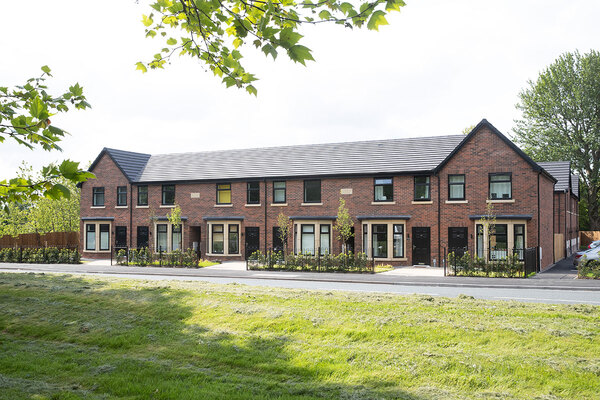
 Yorkshire Housing has called on the Bank of England to “move quickly” to reduce interest rates and abandon what it calls a “timid and risk averse approach” #UKhousing
The 19,000-home landlord, one of the biggest builders of affordable housing in the UK, says the Bank of England base rate – currently 4% – is one of the reasons it has had to scale back its own development plans from 700 a year to around 500. It is also not bringing forward any new schemes for outright sale.
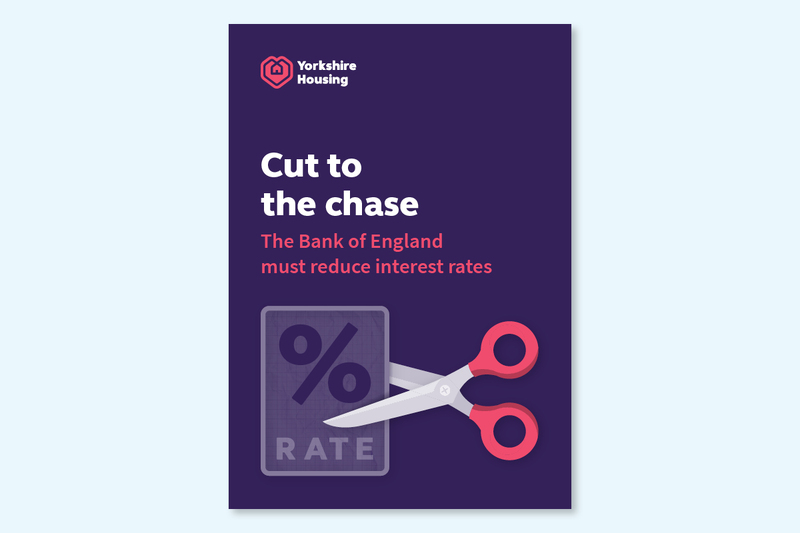
This comes as the landlord has published a new policy paper, in which it argues “only substantial reductions to interest rates can revive growth, unlock investment and put the UK economy back on track”.
The paper, Cut to the Chase, argues that between April and August this year, Consumer Prices Index (CPI) inflation has varied by only 0.4% and has been stable at 3.8% since July, but “despite this, interest rates have only been modestly adjusted by 0.5%”.
Read more


“High interest rates are holding back investment, squeezing business and making life tougher for households,” the paper argues.
“With every month the Bank of England resists reducing interest rates, the economy continues to stagnate. This is resulting in the UK heading for a lost decade of decline, as well as undermining the government’s plans, all of which rely on UK economic growth.”
The paper goes on to argue that the Bank’s current thinking doesn’t fully acknowledge the “drivers of inflation”. The bank aims to keep inflation at 2%, the target set by the government – but the CPI rose by 3.8% in the 12 months to September 2025.
“It isn’t UK economic factors that are driving the current inflationary pressures,” the paper continues. “Consumer prices are high, not because of excessive spending or high demand, but due to global events.
“The conflicts in Ukraine and the Middle East, extreme weather affecting crops, global financial uncertainty and tariffs in the USA are contributing to a lack of stability, which is driving up costs and creating inflationary pressure.”
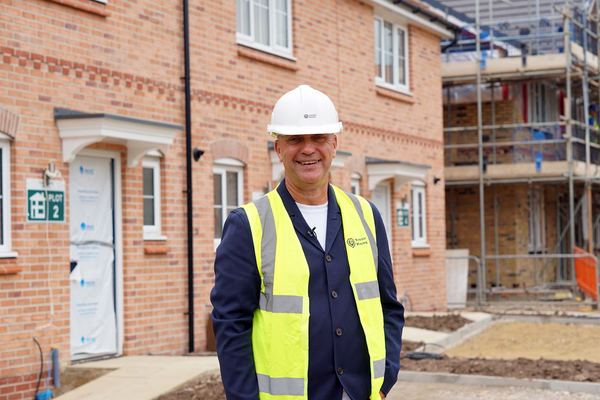
Nick Atkin, chief executive of Yorkshire Housing, said the landlord published the paper because it thinks the “current approach risks doing more harm than good”.
“The UK social housing sector now has in excess of £100bn debt on balance sheets,” he said. “Around £18bn of that is short-term borrowing on variable rates. If rates were 1% lower, that would instantly free up at least £180m pounds of additional investment in housing.”
Urgent action is needed if the government is to hit its target of 1.5 million homes this parliament, because the housing market has “completely stagnated”, Mr Atkin added.
“We are in the top 50 [housing association] house builders each year and I think we are the third highest proportionate to our size, but we have dialled down the number of homes that we build for outright sale, which cross-subsidises some of our affordable homes,” he added.
“So, we’re not bringing forward any new outright sale homes as part of future schemes, because the market has slowed and stagnated to such a degree.”
Mr Atkin said the reason it had issued the policy paper is because he thinks maintaining the status quo will “hurt investment and housebuilding”.
“When building slows, so does everything else, from manufacturing right through to local employment.”
He added that “we are being increasingly bullish and bold about the language that we’re using because we do think the Bank of England needs to sit up and listen and take note”.
The Bank’s next decision on interest rates is expected tomorrow.
Sign up for our development and finance newsletter
Already have an account? Click here to manage your newsletters
Related stories