What are landlords doing to ease the pressure of energy prices on residents?
The rise in energy prices has seen 2.4 million households borrow money or use credit to cover their bills, and an estimated 20,000 households a month transferred onto prepayment meters. How is the sector easing the pressure? A webinar, sponsored by Aico, finds out


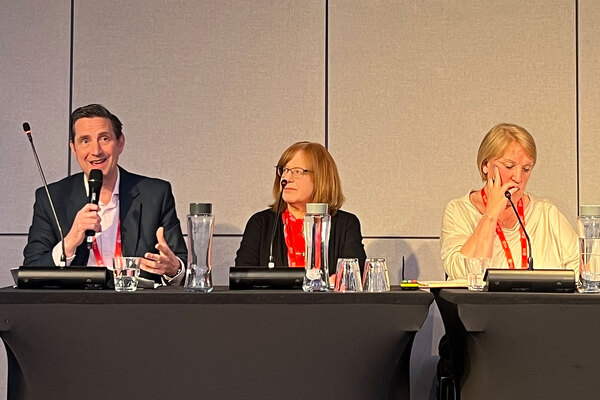
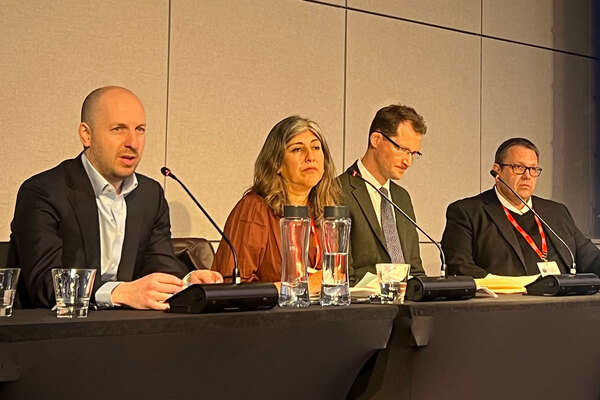
 The rise in energy prices has seen 2.4m households borrow money or use credit to cover their bills, and an estimated 20,000 households a month transferred onto prepayment meters. How is the sector easing the pressure? #FuelPovertyVoice (Sponsored) @Aico_LimitedSam Collier @Aico_Limited emphasises the link between living in a cold home and poor health: “It's estimated that the NHS could save £150m if fuel poverty was tackled” #FuelPovertyVoice (Sponsored) In the short term landlords can help by locating “those households that haven’t been able to access financial support vouchers and make sure they get equivalent support through this difficult period,” says Stephen Burns @PeabodyLDN #FuelPovertyVoice(Sponsored) @Aico_Limited
In association with:

At the end of 2022, the Joseph Rowntree Foundation surveyed 4,251 people in the lower 40% of incomes. The results estimated that 4.3 million households had reduced their spending on heating before winter hit.
As a consequence, 2.4 million households have either borrowed money or used credit to cover their bills, and an estimated 20,000 households a month have been transferred from smart meters onto prepayment meters – which require regular top-ups and charge energy at a higher rate.
Citizens Advice says it has observed more people unable to top up their prepayment meter in the first nine months of 2022 than in the previous three years combined, often prompting people in debt to ‘self-disconnect’.
Read more


Fuel poverty impacts many residents in social housing and this year will be even tougher with January’s price increase and the end of the government’s bill cap supplement in April.
This Inside Housing webinar, supported by Aico, is part of our Give Fuel Poverty a Voice campaign and explores what landlords can do to ease the pressure on residents to pay energy bills, including discussion about:
- Channels for residents to access fuel vouchers and efficient white goods
- Reducing the tariff for prepayment payments, particularly for those on low incomes and/or living in social housing
- Understanding the benefits of smart metering (including prepayment meters) to allow residents to better monitor their usage and to pay by direct debit if they wish
Participants
Peter Smith, director of policy and advocacy, National Energy Action
Peter Smith has been at National Energy Action since July 2010 and was appointed a director in 2016. He is responsible for overseeing the charity’s policy and advocacy work – working with government, industry and other stakeholders to address the causes and impacts of fuel poverty. Mr Smith has particular interest and expertise in the field of domestic energy efficiency policy and sits on the UK government’s Net Zero Buildings Council. He was a trustee for British Gas Energy Trust for three years. Prior to working at National Energy Action, Mr Smith played a leading role at the Combined Heat and Power Association following his graduation from Cardiff University in 2005.
Stephen Burns, executive director of care, supported housing and inclusion, Peabody
Stephen Burns joined Peabody in 1998 and became a director in 2006. He has worked across the organisation including in housing and specialist housing management, development and regeneration, community investment, and new business development.
From 1991 to 1997 Mr Burns worked in community and economic regeneration, training and employment and was a director of a national training company from 1993 to 1997.
His passions include social justice; equity and inclusion; tackling homelessness; and quality, affordable housing.
Sam Collier, sustainability and ethics lead, HomeLINK
Sam Collier is sustainability and ethics lead at Aico HomeLINK and a PhD researcher at the University of Bristol. His work focuses on improving the data we have on UK homes for decarbonisation and improving their condition using Internet of Things technology, to make them healthier, safer and more sustainable. Mr Collier has also conducted research to understand how landlords and residents engage with, and their expectations of, digital technologies, to identify wider ethical considerations to contribute to the use of tech for good.
Linda Tookey, money advice and benefits manager, Vivid Homes
Linda Tookey is money advice and benefits manager at South of England housing association Vivid. With a background dedicated to social welfare, housing and the advice sector, Ms Tookey has extensive knowledge of the intricacies of the benefits schemes and the impact of legislative changes. Prior to Vivid, Ms Tookey gained her law degree and went on to receive her master’s in social welfare law and then her legal practice certificate. For the past 10 years at Vivid, Ms Tookey has managed the growing money advice and benefits team, whose work includes advising customers on claiming the right benefits, challenging adverse benefit decisions, negotiating with creditors, and advice on managing their money, including their insolvency options.

Related stories