You are viewing 1 of your 1 free articles

Greg Hurst is head of communications and public affairs at the Centre for Homelessness Impact
How an online image bank aims to make different experiences of homelessness visible
The Centre for Homelessness Impact has created an online image bank with thousands of free photos of people experiencing homelessness. Greg Hurst explains how the project aims to break through stereotypes of what homelessness looks like


 .@homelessimpact has created an online image bank with thousands of free photos of people experiencing homelessness. @Greg__Hurst explains how the project aims to break through stereotypes of what homelessness looks like #UKhousing
A pang of recognition lurched through me. I’d been buzzed through a secure door to leave a family hostel in north Belfast. As I left, a girl in her early teens entered, smartly dressed in her school blazer.
What had I recognised in that fleeting moment? The optimism of youth from my own daughters at that age. The difference was, this girl was returning from school to a homeless hostel.
“Newspaper articles about homelessness are typically illustrated with photographs of a man sleeping in a doorway, or sometimes a tent, even if the piece itself talks about evictions from tenancies or sofa-surfing”
The perception of homelessness in the public’s mind routinely ignores this child, as well as tens of thousands like her.
Frontline staff working in housing and homelessness deal all the time with people staying in shelters, hostels, bed and breakfast hotel rooms, supported housing, temporary accommodation flats, unfit housing or people who have been sleeping on a friend’s sofa.
The public at large do not.
Read more
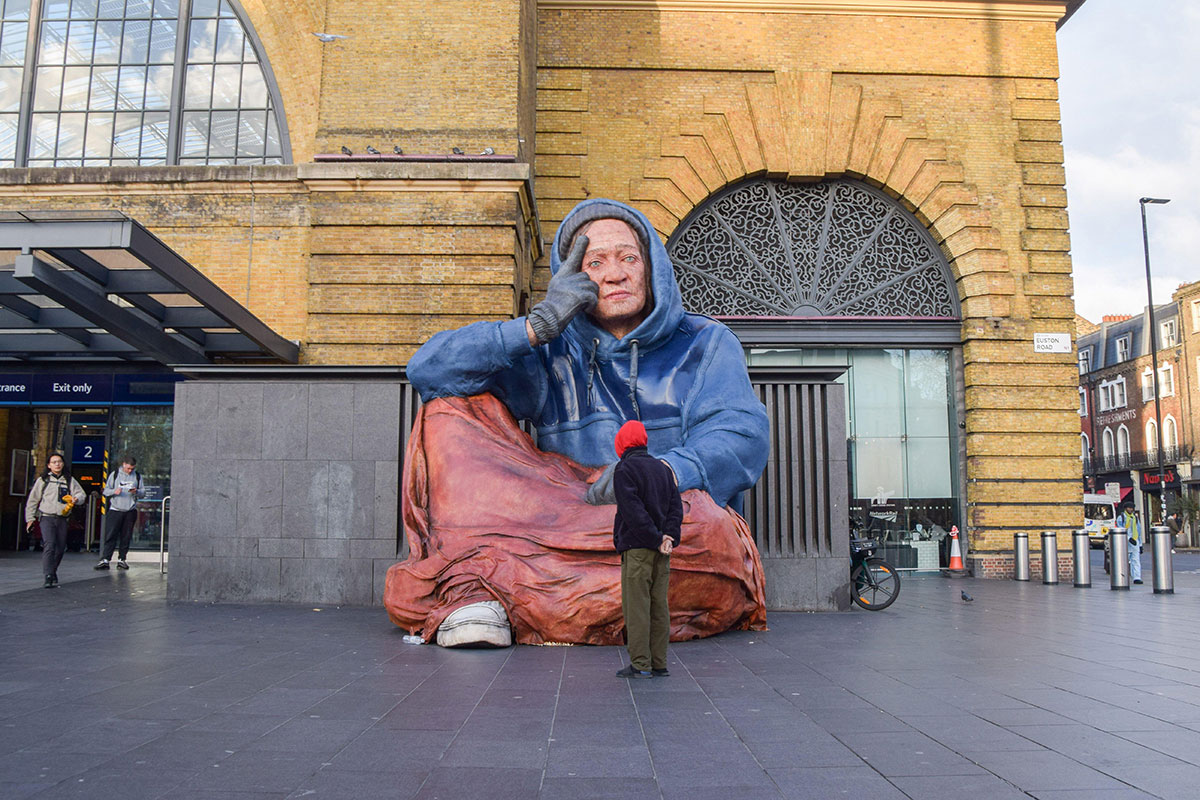

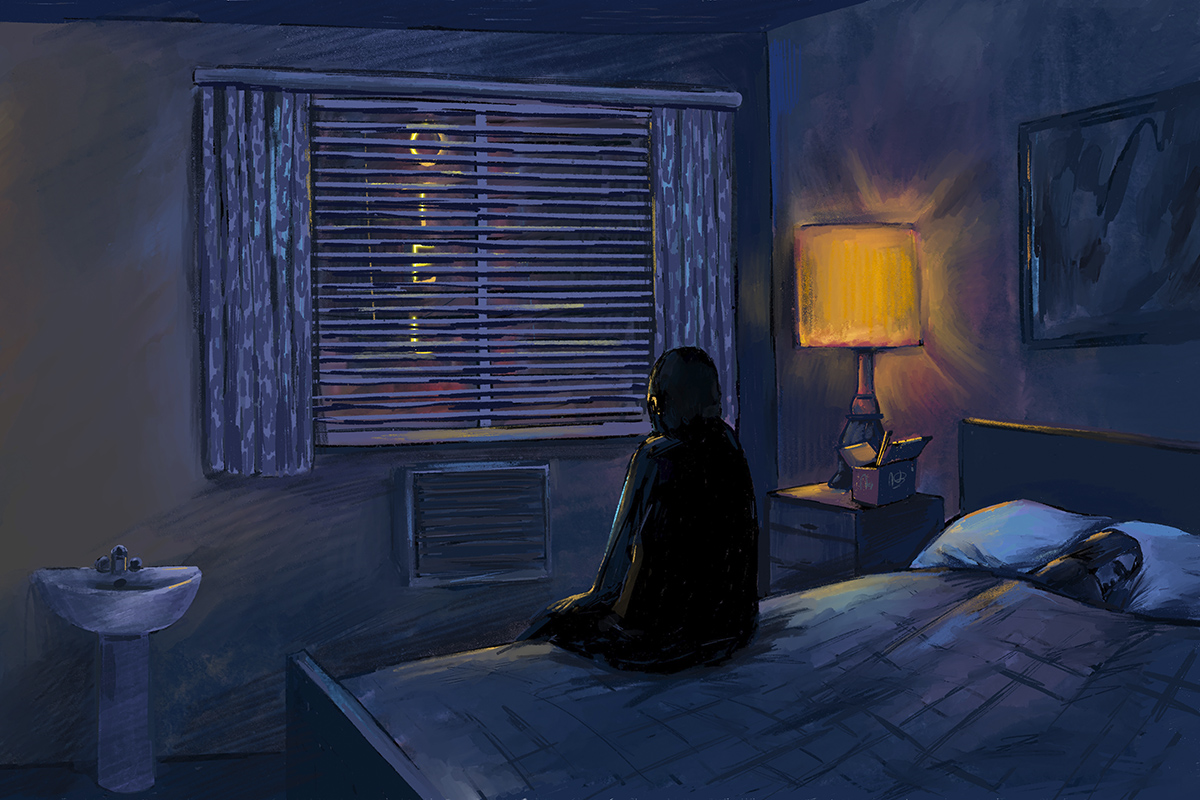
In many people’s minds, homelessness means rough sleeping. Our annual surveys with Ipsos show that 50% of people think, incorrectly, that there are more adults who are rough sleeping than experiencing ‘hidden homelessness’. Just 21% disagreed.
People think 53% of individuals affected by homelessness have an alcohol or drug dependency; across all forms of homelessness, the figures are 5% and 7% respectively.
Why? Clearly, rough sleeping is the most visible form of homelessness, and the most extreme. Rough sleeping is also overwhelmingly the most common way that homelessness is represented in imagery.
“It renders the vast majority of people affected by homelessness invisible in the public mind. It skews policy. It creates barriers to preventing and relieving other forms of homelessness”
Newspaper articles about homelessness are typically illustrated with photographs of a man sleeping in a doorway, or sometimes a tent, even if the piece itself talks about evictions from tenancies or sofa-surfing. So often such images show individuals in a slumped or defeated posture, usually with faces or features obscured.
As research by the FrameWorks Institute commissioned by Crisis has shown, the effect is of ‘othering’: dehumanising people affected by homelessness, compounding stigma.
This is a real problem. It renders the vast majority of people affected by homelessness invisible in the public mind. It skews policy. It creates barriers to preventing and relieving other forms of homelessness.
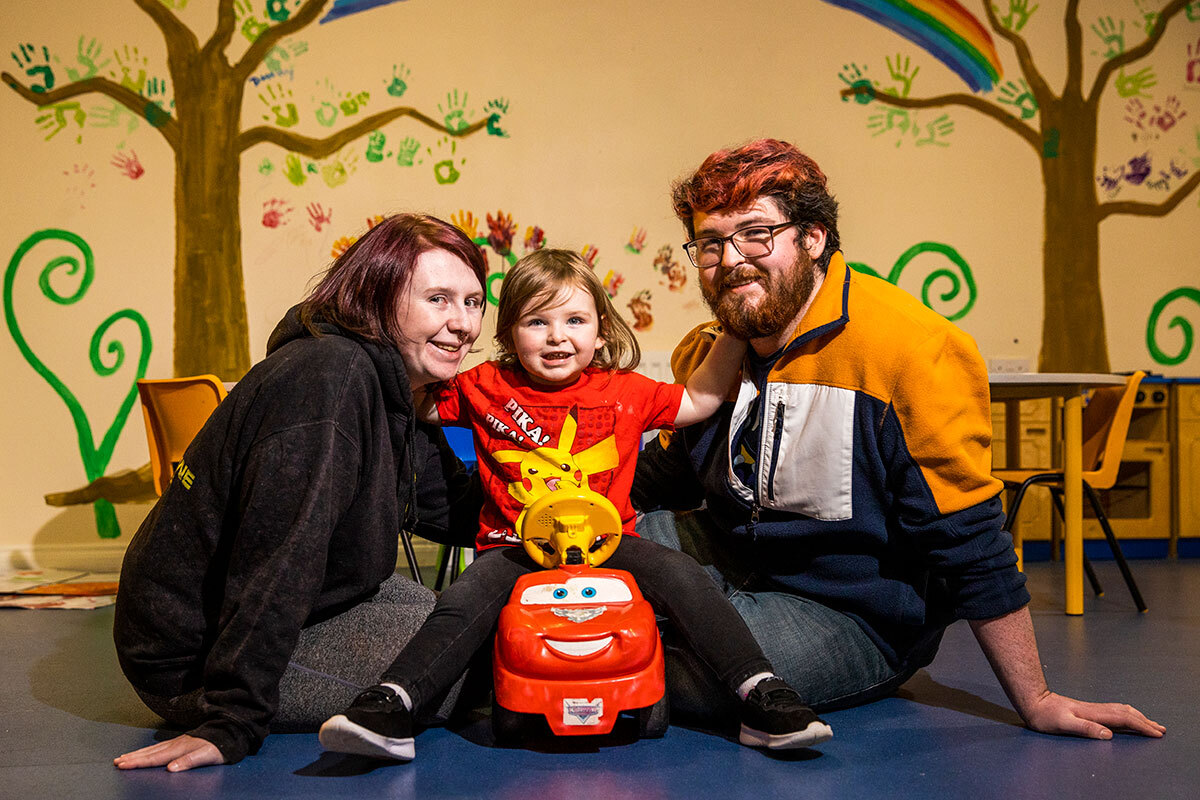
We are interested in solutions, not just identifying problems. So we have co-created a free image library of real-life photographs of people experiencing homelessness, in all its diversity. Its aim is to provide evidence-led alternatives to this dominant and distorting image of homelessness to deepen public understanding of the issue.
This was not straightforward. We thought deeply about the ethics of identifying people during a period of personal crisis and how to mitigate risks.
We listened to people with personal experience of homelessness, whose advice was to co-create the project and give participants agency. This included showing them photographs of themselves, asking them to choose pictures they liked and deleting the ones they didn’t.
The photographer we commissioned the most, Jeff Hubbard, has his own history of homelessness, which was important in negating power dynamics that can arise.
“They were of all ages. They were ethnically diverse. One uses a mobility scooter. Several have a mental illness. Some have jobs. All their stories, like their circumstances, were different”
We worked with some forward-thinking charities which introduced us to individuals they judged would benefit from taking part. We paid the individuals we photographed, not as an inducement but to recognise the value of their involvement.
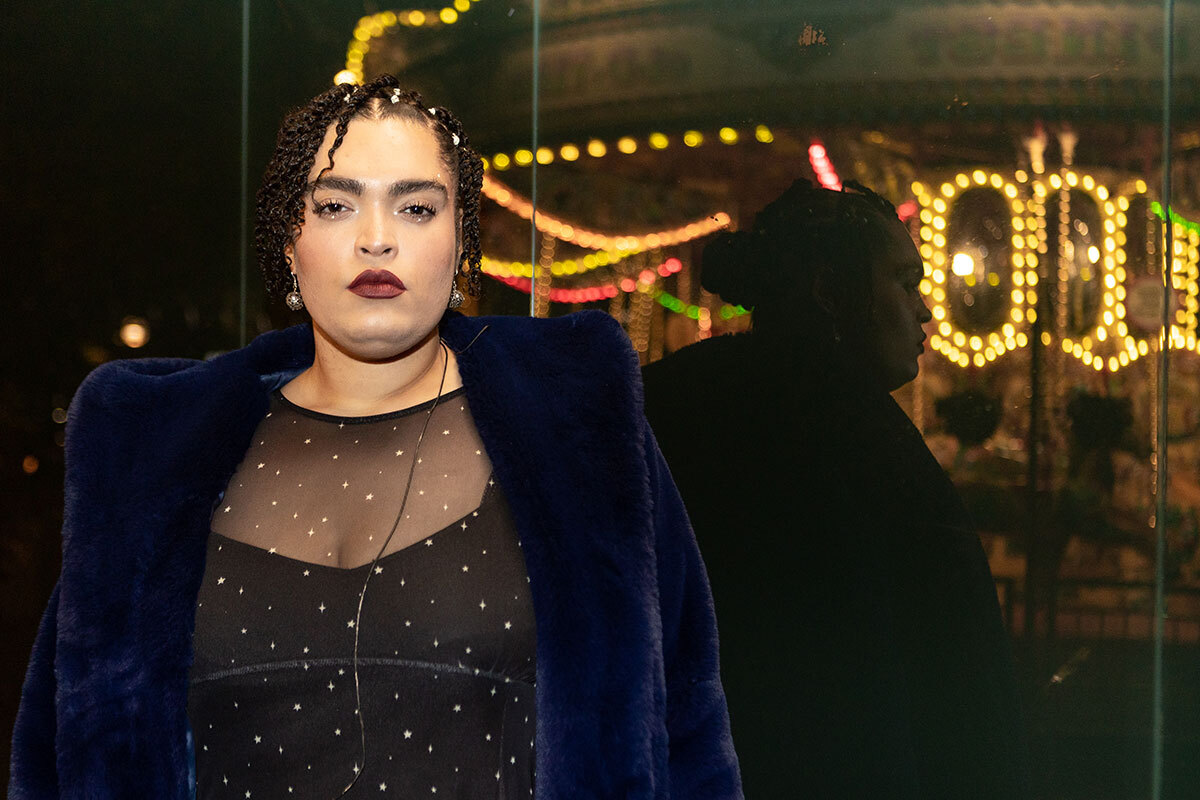
One of our team was present at every photoshoot to explain the project, answer questions and ensure participants’ informed consent.
This was what took me to meet families at hostels in Belfast, single people in very different single-room hostels in Brighton and Leicester, others staying in a bed and breakfast hotel in Merthyr Tydfil in South Wales, and people in south London and Liverpool who spent years sofa-surfing.
Colleagues met a mother bringing up her daughter in temporary accommodation in south London and a young woman living in supported accommodation in Malton, West Yorkshire.
They were of all ages. They were ethnically diverse. One uses a mobility scooter. Several have a mental illness. Some have jobs. All their stories, like their circumstances, were different. They all understood how unrepresentative images of homelessness cloud public understanding and reinforce stigma. They were all keen to do something to counter this.
The result is an initial collection of around 300 images of homelessness that are realistic, respectful and representative. We made them free to download on an online image bank.
The initial response has been overwhelming: the images were downloaded 2,108 times within a week of launching, including by StreetSmart Australia. Many people and organisations working in homelessness see the need for this resource.
We will add more images to the collection; we’d be happy to work with partners to do this. We’ll also take down images as participants’ circumstances change or if they no longer wish to be involved.
Over time, perhaps more people who think of homelessness will imagine a child returning from school to a homeless hostel, as well as a man sleeping on the street.
Greg Hurst, head of communications and public affairs, Centre for Homelessness Impact
Sign up for our homelessness bulletin
Already have an account? Click here to manage your newsletters
Related stories