You are viewing 1 of your 1 free articles
It’s never been more important to heed Nye Bevan’s words as we work to house an ageing population
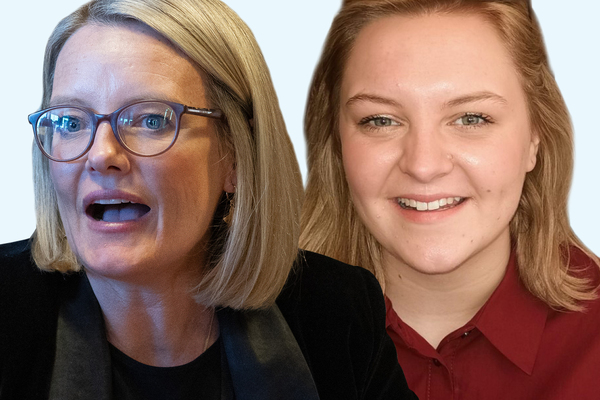
Sally Nichols of Riverside and Rachel Crownshaw of Places for People reflect on their organisations’ commitment to intergenerational communities


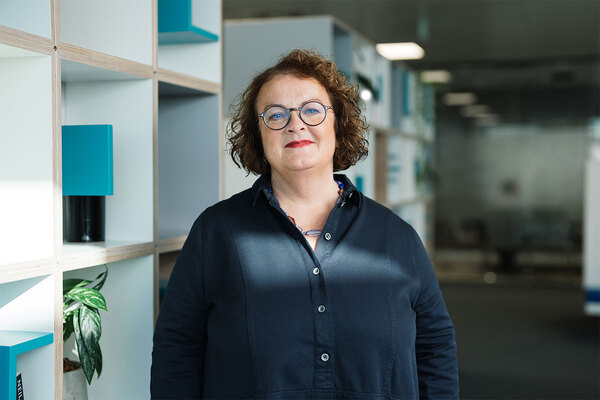
Sally Nichols is assistant director of operations at Riverside, and Rachel Crownshaw is group managing director of communities at Places for
...more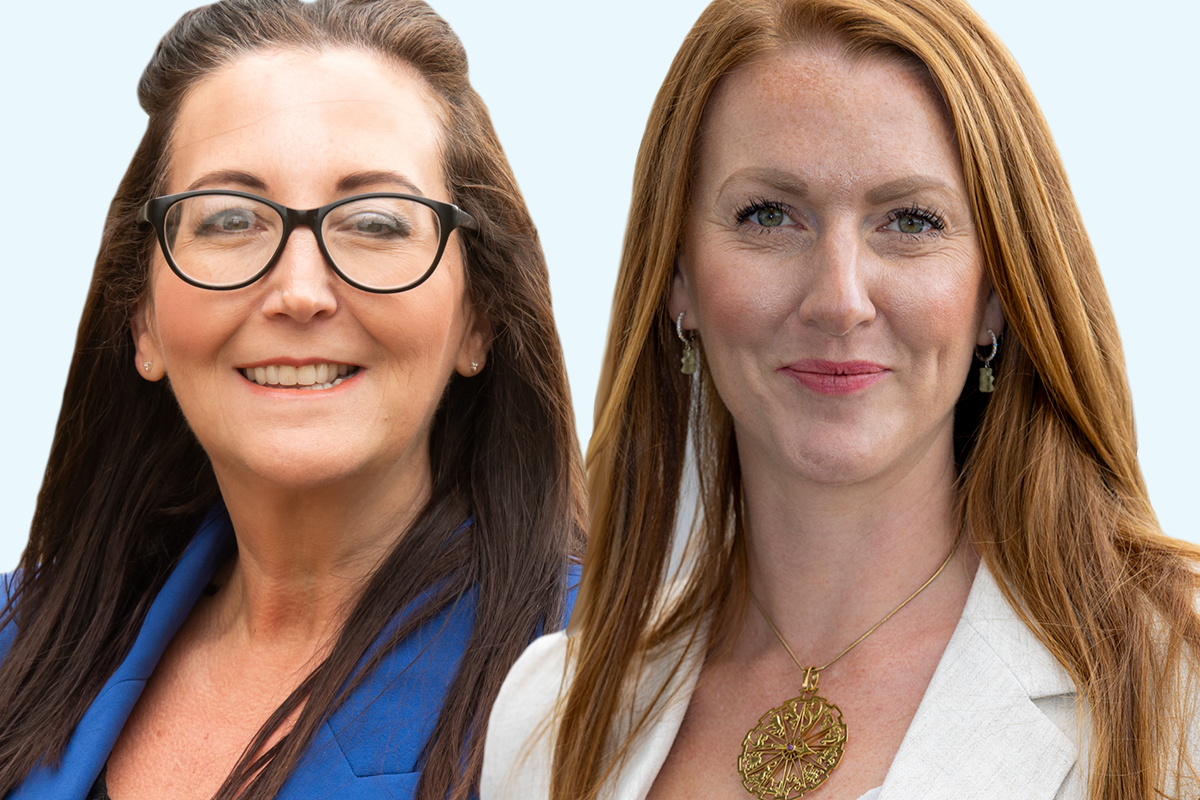 Sally Nichols of Riverside and Rachel Crownshaw of Places for People reflect on their organisations’ commitment to intergenerational communities #UKhousing
When debating the 1949 Housing Act, then health and housing minister Aneurin ‘Nye’ Bevan addressed parliament to say: “If we are to enable citizens to lead a full life, if they are each to be aware of the problems of their neighbours, then they should be all drawn from the different sections of the community.”
Read more


By 2040, nearly one in four people in the UK are forecast to be aged 65 or over and we need to radically rethink the quality and the quantity of the housing that is delivered for older people in our nation.
Last month, Lord Best and Anna Dixon MP, co-chairs of the All-Party Parliamentary Group on Housing and Care for Older People, wrote for Inside Housing following the launch of the APPG’s inquiry into Creating Intergenerational Communities.
They wrote to highlight two particular challenges that this inquiry will address: “We desperately need to build more housing tailor-made for older people and to explore the value of creating mixed-age communities.”
As two of the largest housing providers in England, Riverside and Places for People are proud supporters of the inquiry.
Riverside’s perspective – Sally Nichols, assistant director of operations
Riverside has first-hand experience of the positive impact that intergenerational living has on our customers.
For almost a decade, Riverside has worked with Hull City Council to deliver 316 new units of extra-care accommodation that place intergenerational living at their heart. The first service opened in 2017.
Across three schemes, Riverside provides support for a diverse range of care needs, ranging from low to high needs and for a wide range of ages – from 21 to 92.
Our intergenerational extra-scheme in Hull enables people to maintain their independence and well-being in their own self-contained accommodation. It gives people greater choice and control over housing and care options, reduces the need for residential care homes and decreases the reliance on formal care.
Crucially, at a time when one in four adults (25%) report feeling lonely “often or always” or “some of the time”, intergenerational living helps to tackle and reduce social isolation and loneliness. Tackling loneliness is particularly important as this can to help to reduce depression, anxiety, dementia and even premature death.
The impact intergenerational living can have on people’s lives is profound and should not be underestimated.
Mike, 65, who has a brain injury and learning difficulties, and Jess, 29, who has epilepsy, are next door neighbours at our extra-care development in Hull.
Of their relationship, Mike says: “I treat Jess as the daughter I’ve never had. It’s interesting to see the opinions of the younger and older generations. I feel like I am still leading a normal life.”
Jess says: “I feel settled here and I like talking with the older residents, like Mike. I find it better here, as you have your own apartment, your own space, but can still see people.”
Places for People’s perspective – Rachel Crownshaw, group managing director of communities
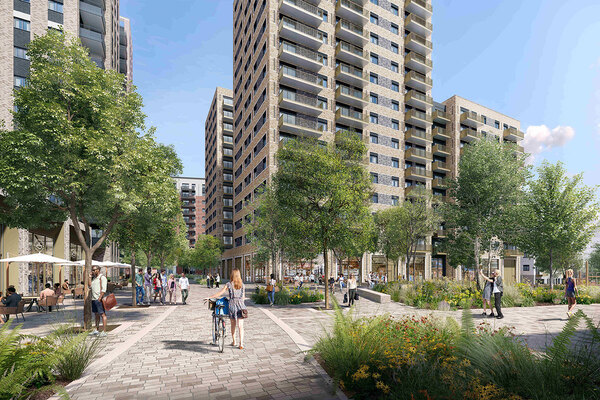
Places for People has a rich history of creating intergenerational communities. Whether quality new care homes at our urban extension to the east of Milton Keynes, bespoke retirement living at our 8,000-home sustainable new town in Aberdeenshire, or dedicated provision at our landmark upcoming project where 10,000 new homes will be set across seven distinct new villages in East Hertfordshire, our commitment to delivering mixed-tenure homes and developments for all ages shines ever bright.
Intergenerational living combats loneliness, fosters shared support and strengthens local bonds within communities. It stacks up for housing providers, too, enabling customers to move to appropriate homes within the same community – leading to cohesive and sociable places of opportunity. Communities have thrived this way for centuries and across generations. But as society has grown more age-segregated, we must work harder than ever to help create these connections which enrich lives at every stage.
Wanting to build the right mix of homes is one thing, being able to do it is entirely another. Today there are clear challenges to creating suitable homes for older people. Viability issues, planning rules, a lack of funding and problems with rent-setting are but four.
Now is the time to understand these issues, bring together experience and stimulate productive dialogue among MPs, peers and policymakers to create practical solutions.
We’re thrilled to join Riverside and others in laying down this challenge through this APPG inquiry. Together we must explore how best to foster togetherness among young and old. We must shine a light on how to engage communities in both design and development. We must consider the health benefits of intergenerational living alongside social and economic outcomes. We must test ourselves on what good truly looks like. And we must bring local government and our sector closer together to deliver better outcomes, sooner.
In the same speech he delivered in 1949, Mr Bevan continued to champion the need to create mixed communities by saying: “We should avoid segregation in order that old people should not live in old people’s colonies but should live where they have been brought up and where before their eyes every day, they can see the living tapestry of a mixed community.”
To enable people to lead a fuller life and to create a more cohesive and inclusive society, we need to continue to find ways to make intergenerational communities work. This inquiry provides a golden opportunity to showcase where intergenerational communities work and make practical policy recommendations on how we can create mixed-aged homes and communities to enable all generations to thrive and flourish.
Sally Nichols, assistant director of operations, Riverside; and Rachel Crownshaw, group managing director of communities, Places for People
Sign up for our care and support bulletin
Already have an account? Click here to manage your newsletters
Related stories