You are viewing 1 of your 1 free articles
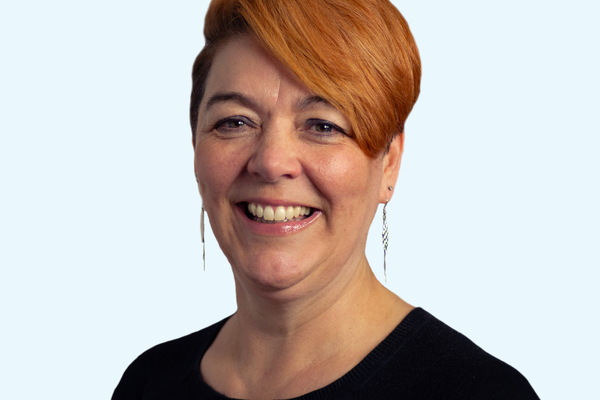
 Kate Kennally
Residents affected by flooding need emotional as well as physical support
As councils and housing associations deal with the aftermath of the latest floods, Kate Kennally says that the relief effort should extend to dealing with the mental impact on residents


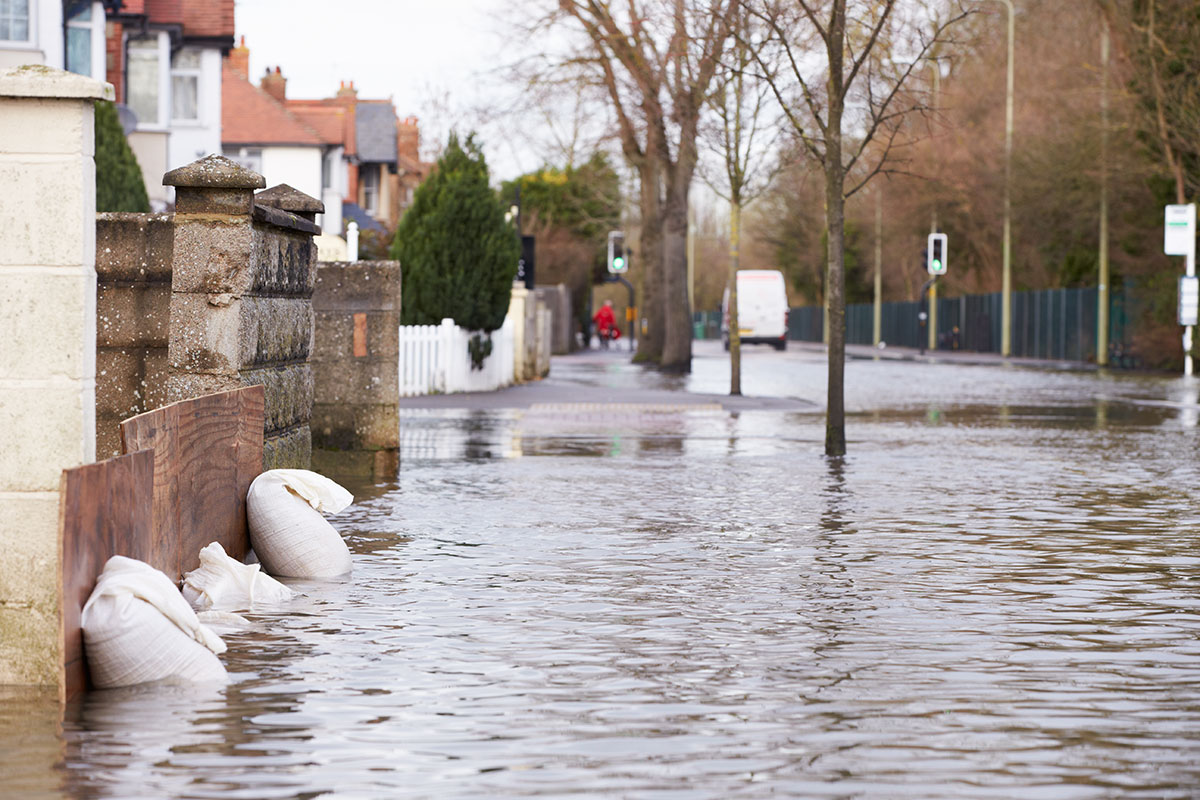 Residents affected by flooding need emotional as well as physical support, writes Kate Kennally #ukhousing“When the water levels rise and the very foundations on which you have placed your hopes and dreams are swept away in a tide of mud, the very essence of who you are slowly drifts away with it,” says @katekennally“In the chaos of an event in whi people have lost their homes – the very foundations on which their lives depend – it is easy to swing into a practical response that overlooks the psychological to address the immediate physical needs,” says @katekennally
As yet another storm made its presence felt in Cornwall and we moved from the immediate response to the recovery phase to deal with the aftermath, I took a few minutes to think about the impacts it has had on those whose homes are flooded – and to reflect on what this means for their concept of ‘home’.
As a local authority and a landlord, we are a well-oiled machine, ably equipped to round up our troops and send them out to provide safe emergency refuge, clear up the debris and restore the infrastructure. But then we inevitably move on to the next challenge, leaving residents waiting for their homes to dry out and contemplating their futures.
Read more
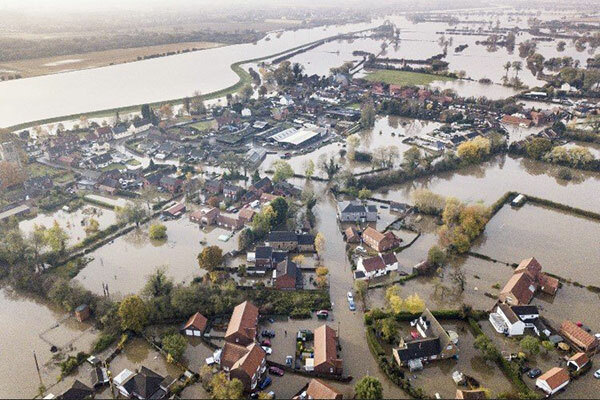
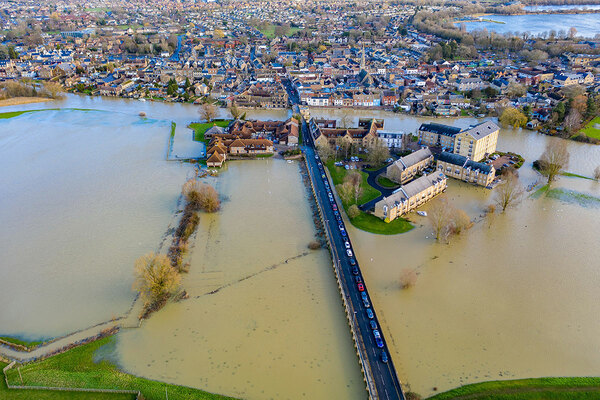

There is a saying that “a house is made of bricks and beams, a home is made of hopes and dreams”. The housing sector is very good at talking about houses: we count the units, calculate the investment return and talk about lifecycling of components.
But to the families who live in them, those houses are, for the most part, homes. People are emotionally invested in their homes: we raise our families, create our memories and can be ourselves in them. Home is where we feel safe, can laugh and cry, celebrate births, and mourn deaths. Home is where we belong.
So, when the water levels rise and the very foundations on which we have placed our hopes and dreams are swept away in a tide of mud, the very essence of who we are slowly drifts away with it.
We know our communities are very resilient. They work together to start to patch up the damage and rally around to ensure that homes are repaired and that neighbours have food, clothes and other necessities.
“When the water levels rise and the very foundations on which you have placed your hopes and dreams are swept away in a tide of mud, the very essence of who you are slowly drifts away with it”
But the trauma never leaves them and every time it rains heavily, the anxiety starts to rise and the fear starts to unleash. Every time there’s flooding, regardless of where it is, the trauma will be triggered in those who have experienced it.
As housing providers, we are not just landlords but also place-shapers and community leaders.
It is therefore up to us to ensure that we don’t just clear up the physical mess and then move on but make certain that communities that experience flooding receive the long-term emotional investment that supports their mental health and well-being as part of their recovery.
Psychologically informed working is a growing area of practice in housing, particularly for people who have experienced homelessness. But it seems equally applicable when working with people who have experienced flooding.
Working in a psychologically informed way can only be beneficial to emergency recovery. Using such a framework would ensure we create emotionally safe spaces in which to engage with our communities and that we build relationships with people who enable us to facilitate change through trust and connection.
It would make us be mindful to support our staff properly, recognising they are emotionally affected when working in recovery phases of an emergency, and ensure we pay attention to their emotional resilience and well-being, not just those of people affected by the incident.
It would also ensure we adopt reflective practice, taking time to consider what we can learn from our work to influence future service delivery.
This seems like a common-sense framework, but in the chaos of an event in which people have lost their homes – the very foundations on which their lives depend – it is easy to swing into a practical response that overlooks the psychological to address the immediate physical needs.
It is important to constantly challenge ourselves to ensure that the decisions we are making are emotionally and psychologically relevant as well as practical.
“In the chaos of an event in which people have lost their homes – the very foundations on which their lives depend – it is easy to swing into a practical response that overlooks the psychological to address the immediate physical needs”
We cannot stop the wind from blowing or the waters from rising, but we can recognise the effects they have on individuals and communities and support their recovery.
To do this, we need to be prepared to invest in communities for the long-term.
We need to listen to communities and really understand what their needs are.
We need to be ready and willing to spring into action at the point that they are ready, rather than to timetables we devise.
We need to share information, be open to ideas and be consistent in our messaging.
We need to acknowledge when we get things wrong and be ready to put them right.
We need to expect the unexpected.
And above all, we need to be guided by the principle of doing the right thing.
Kate Kennally, chief executive, Cornwall Council
Sign up for our Council Focus newsletter
Already have an account? Click here to manage your newsletters
Related stories