You are viewing 1 of your 1 free articles

Anne-Marie is a Director in Altair's Governance and Regulation team and she leads consumer regulation services. She supports local ...more
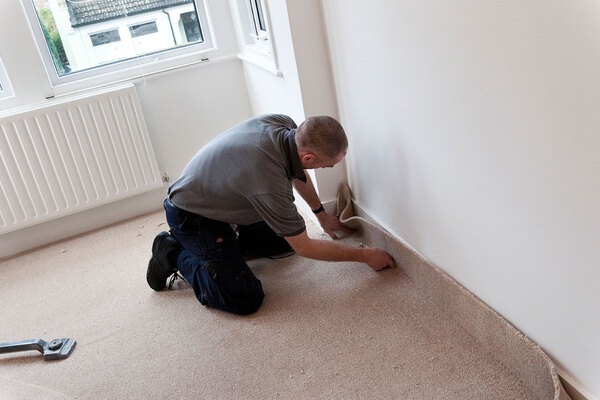
Social housing needs to aim for higher standards in carpets and floor covering provision
Anne-Marie Bancroft challenges social housing executives and leaders: would you pay for a rental home with bare floorboards?


 Would you pay for a rental home with bare floorboards? @AnneMarieBancr1 from @AltairLtd challenges social housing executives and leaders #UKhousing“Tenants have a two in 10 chance of accommodation being provided with floor coverings.” @AnneMarieBancr1 explains the latest research from from @AltairLtd #UKhousing
The general position of the social housing sector not to provide floor coverings in properties at point of let is at odds with the core purpose of social housing. We estimate that around 80% of social properties are let without floor coverings and when floor coverings are provided, the driver to do so is usually to meet the landlord’s need and not the tenants’ need.
Altair has been commissioned by Longleigh Foundation to conduct a three-year research project in relation to the provision of floor coverings in social housing.
The research focuses on the current sector position, tenants’ experience, landlords’ experience and the role of the regulator with a view to create a case for regulatory change as well as articulating a business case for the sector, with associated cost-benefit analysis for the provision of floor coverings at point of let.
We’re building on the good work already done: the ‘Floored’ research by Tai Pawb and Tpas in Wales and the Joseph Rowntree Foundation’s research conducted by Altair in ‘From House to Home’. Our first learning report, Scene Setting, has been released this month.
Read more
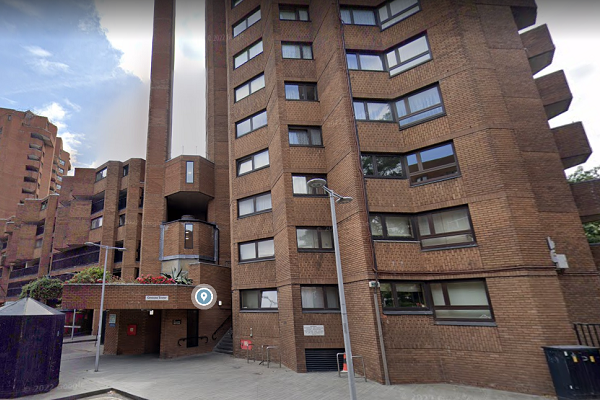

We know that social housing is allocated to those in the most need who would usually be unable to access other housing options such as private rented accommodation and homeownership. We know that, in the main, social homes are allocated to those at a point of crisis, such as people experiencing homelessness or fleeing violent situations.
The demand for social housing is extremely high and those being offered accommodation often have little choice due to their circumstances and the approach of allocations processes but to say yes to accommodation. Tenants have a two in 10 chance of accommodation being provided with floor coverings, meaning that it is the norm for newly allocated properties to have bare floorboards or concrete across the living room, bedroom, hallway and stairs.
“I would like to present the challenge to executives and leaders in the sector: would you pay for a rental home with bare floorboards across the living room, bedrooms, hallway and stairs?”
The environment of high demand and low consumer choice means that social landlords have the facility to meet the expected standards from their respective regulatory body with little impact to demand. During this research piece, one of the most notable comments we’ve heard so far in a moment of reflection by a social landlord is that the “Decent Homes Standard is a floor not a ceiling”.
I would like to present the challenge to executives and leaders in the sector: would you pay for a rental home with bare floorboards across the living room, bedrooms, hallway and stairs?
Landlords have told us that the barriers for the installation of floor coverings are the financial cost to the organisation, delays to void processes, ongoing maintenance, and a lack of clarity around the relationship between landlords and tenants.
As we reflect on the barriers associated with the provision of floor coverings in social housing, we must also reflect on the good practice. Organisations such as Thirteen and L&Q have implemented a higher lettings standard across all homes, which includes the provision of carpets. In our discussions with leaders from both organisations they discussed providing homes they can be “proud of”.
It must not be forgotten that it is completely within an organisation’s gift to choose to adopt a higher reletting standard than that expected by their respective regulatory body.
“There should be consideration of the provision of floor coverings at point of let to negate future hardship and future dependencies on money advice and tenancy support functions”
We know that this research is well timed as social landlords are working hard to support their tenants during times of unprecedented hardship and doing so by growing their financial and tenancy support teams, increasing their hardship funds and energy funds.
Alongside these mechanisms, we believe that there should be consideration of the provision of floor coverings at point of let to negate future hardship and future dependencies on money advice and tenancy support functions.
Our research project spans three years, and the next phase of our research is the experience of tenants. In addition, we are running a data collection programme to understand the impact of both the lack of and provision of floor coverings over time. We are still recruiting for social landlords to participate – both those that are installing floor coverings at point of let and those that are not – to be part of the programme.
If you’d be interested in taking part in the data collection programme or getting involved in the discussions in relation to tenants’ experience, please contact me on anne-marie.bancroft@altairltd.co.uk.
Anne-Marie Bancroft, principal consultant, Altair
Sign up for our asset management and sustainability newsletter

Already have an account? Click here to manage your newsletters
Related stories