You are viewing 1 of your 1 free articles

Spotting and tackling domestic abuse
As the government plans new legislation to combat domestic violence, Michelle Meldrum of Gentoo says housing providers are ideally placed to play a role


 Spotting and tackling domestic abuse
As part of the Queen’s Speech on 21 June, the government set out planned legislation in relation to domestic violence and abuse which will cover England and Wales.
The aim of the Draft Domestic Violence and Abuse Bill is to “transform our approach to domestic violence and abuse to ensure that victims have the confidence to come forward and report their experiences, safe in the knowledge that the state and justice system will do everything it can to both support them and their children and pursue their abuser”.

I would suggest that three of the current challenges that need to be addressed by the bill are:
- Consistency and quality of both service and response to domestic abuse, including a more co-ordinated approach to funding
- A strengthened justice system focused on keeping victims and their children safe
- Escalating domestic abuse as a priority for any sector or service that can have a positive impact
The draft bill does start to address these challenges and some of the key points and drivers are:
- Protecting victims
- Giving the justice system greater guidance and clarity about the devastating impact of domestic violence and abuse on families
- Establishing a Domestic Violence and Abuse Commissioner to stand up for victims and survivors, raise public awareness, monitor the response of statutory agencies and local authorities, and hold the justice system to account in tackling domestic abuse
- Ensure that where the abuse involved a child, the court can impose a sentence that reflects the devastating lifelong impact that abuse can have on that child
I welcome the points mentioned above and I will be interested to see how the new commissioner role develops.
“It would be beneficial for the commissioner to scrutinise the role of both statutory and non-statutory agencies.”
One perspective not mentioned is the commissioner’s role in agreeing and allocating funding for domestic violence services nationally. Maybe this is something that should also be included?
In addition, I feel it would be beneficial for the commissioner to scrutinise the role of both statutory and non-statutory agencies, including the housing sector.
The important role the sector can play in this agenda needs to be highlighted and consideration should be given to further regulation in this area.
One option could be to extend the Neighbourhood and Community Standard to highlight domestic abuse and expectations of housing providers.
“Housing professionals in particular are ideally placed to spot the signs of domestic abuse.”
In terms of the housing sector, we all know that access to safe housing is a key priority for survivors of domestic abuse.
This factors strongly into their decision-making around whether to stay or leave an abusive relationship.
Frontline housing professionals in particular are ideally placed to spot the signs of domestic abuse and identify both those at risk and those perpetrating the abuse.
Launched in 2014, the Domestic Abuse Housing Alliance (DAHA) is a partnership between Gentoo, Standing Together Against Domestic Violence, and Peabody.
DAHA’s mission is to equip these professionals with the necessary knowledge and skills to support residents to live safely and free of abuse.
I would encourage all housing providers to get involved in DAHA’s mission. I am delighted that the theme for Alison Inman’s Chartered Institute of Housing presidency will be domestic abuse, helping to raise awareness and improve the housing sector’s response.
At Gentoo, our approach to domestic abuse includes prevention, early intervention, support and enforcement and considers victims, survivors, perpetrators and the overall impact on others, including children.
We also look at it from both a customer and workplace perspective.
Partnerships are key in ensuring successful outcomes. We work closely with Northumbria Police and the Northumbria Police and Crime Commissioner, Sunderland City Council and Wearside Women in Need, among many others. By raising awareness and providing joined-up services, together we are making a real difference.
At Gentoo we are keen to keep learning about domestic abuse and how we can improve our response.
To assist with this we have part-funded two PhDs in housing and domestic abuse. One focuses on perpetrators and the other focuses on children.
In addition, we have commissioned the charity Safelives to undertake research to better understand the role we can play and quantify the business benefits.
We will be keen to share the research findings with both the sector and the new commissioner.
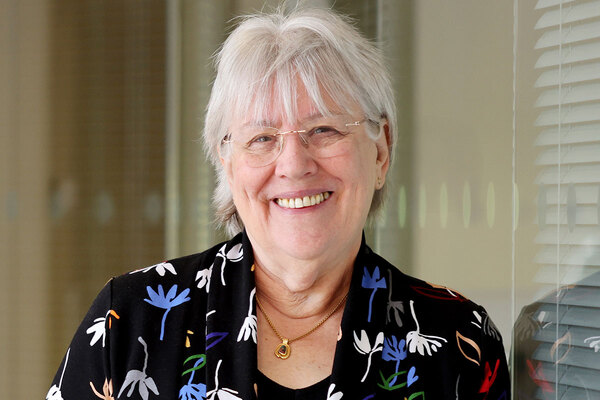
Michelle Meldrum, executive director of operations, Gentoo
Related stories