You are viewing 1 of your 1 free articles
Building Safety Regulator rejects nearly 75% of cases in early figures
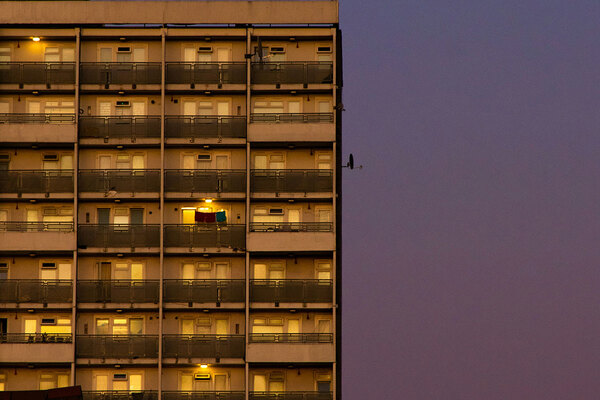
Almost 75% of existing buildings so far assessed by the Building Safety Regulator (BSR) have failed to meet the standards required, figures shared with Inside Housing reveal.


 Almost 75% of existing buildings so far assessed by the Building Safety Regulator have failed to meet the standards required #UKhousing
The BSR has been reviewing safety cases prepared by the owners of 1,454 of the highest-risk high-rise residential buildings in England.
It revealed that, as of 2 July, it had completed 170 assessments, with 125 buildings denied a Building Assessment Certificate (BAC), a confirmation that a building is safe to occupy.
If the regulator denies a BAC, a refusal notice will set out the legal provisions the regulator was unhappy with, and where further work is required to bring the building up to standard.
Read more
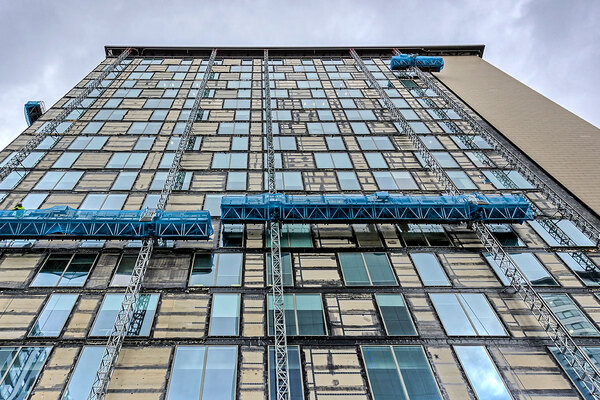
In some cases, this may represent a failure to carry out an assessment properly, or to provide a full resident engagement strategy.
For other blocks, the notice may require major works to fix compartmentation issues or structural defects.
In the worst cases, this could result in expensive works, or the need for waking watches to prevent the building being prohibited by the local fire and rescue service.
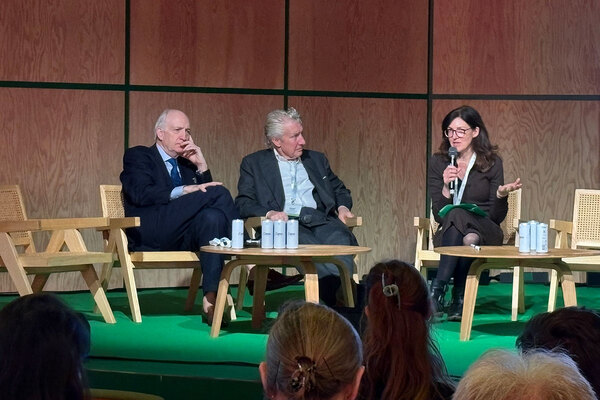
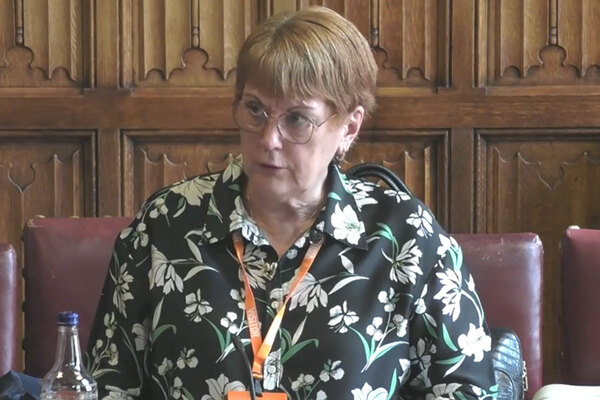
“The quality of the applications has been varied, and we’ve had some very extensive further information requests in order to try and get the information needed,” said Andrew Saunders, operational policy advisor at the BSR.
The safety cases submitted range from a 732-page document to a mere two-and-a-half pages. Mr Saunders said the typical (and optimum) length was a document of 30 to 40 pages, although this would refer to longer assessments.
Under the provisions of the Building Safety Act, residents should be protected from any life-safety costs. However, it is not always clear who will pay in privately owned buildings, especially if a developer with liability for the building has not been identified and the works are required urgently.
In social housing, costs will fall to the social landlord. This adds further weight to the sector’s struggles to deal with the cost of fire safety remediation in its high-rise buildings. In particular, building owners are struggling with proving structural safety.
“The challenges we’re noticing particularly is that duty holders, a lot of them, are familiar with fire, but less so with structure,” said Mr Saunders.
“We have genuinely had a small number of safety case reports that don’t even mention structural failure. We’ve had some where the applicants are just assuming that the fire risk assessment that they’ve done under the Fire Safety Order is all they need to do.”
The 1,454 buildings represent the first tranche of building safety case reviews being carried out by the regulator, with buildings in the second tranche currently being called in for review.
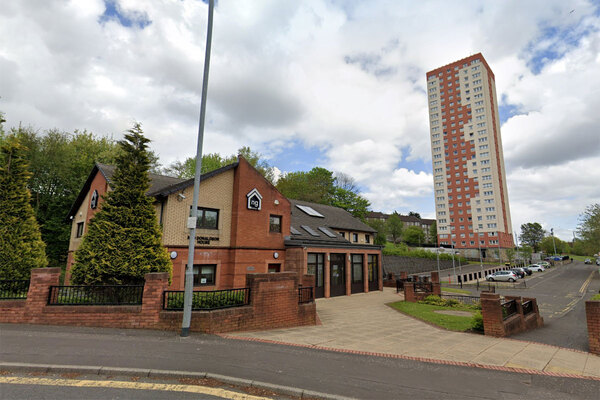
First-tranche buildings are 30 metres or more in height, with more than 11 residential units; those above 18m with more than 378 units; those clad with aluminium composite material; and the large panel system (LPS) buildings built between 1956 and 1973 where there is still a gas supply and no evidence of safety work being carried out.
You can read Inside Housing’s latest feature on this issue and more on the BSR’s new approach here.
Sign up to our building and fire safety newsletter
Sign up to our new revamped building and fire safety newsletter, now including a monthly update on building safety from Inside Housing contributing editor Peter Apps.
Already have an account? Click here to manage your newsletters.
Related stories