You are viewing 1 of your 1 free articles
What is going on with Building Assessment Certificates?
The Building Safety Regulator is currently considering safety cases for 1,454 tall buildings. Its decisions could mean a major new era of the building safety crisis is about to begin. Peter Apps reports


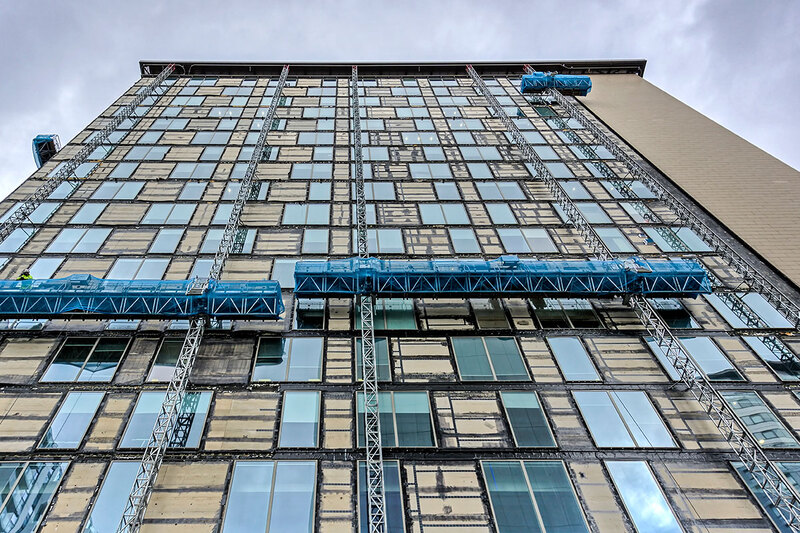 A new phase in the building safety crisis: what is going on with Building Assessment Certificates? By @PeteApps #UKhousing
We are about to enter a new phase in the post-Grenfell building safety era.
Over the past year, 1,454 ‘safety cases’ have been submitted to the Building Safety Regulator (BSR) for review. A ‘safety case’ is supposed to be an evidenced statement produced by the body responsible for the building to demonstrate that it is safe to occupy from a fire and structural safety perspective.
Over the coming months, the regulator will be examining these documents and will begin to send out its decisions about whether these buildings are safe.
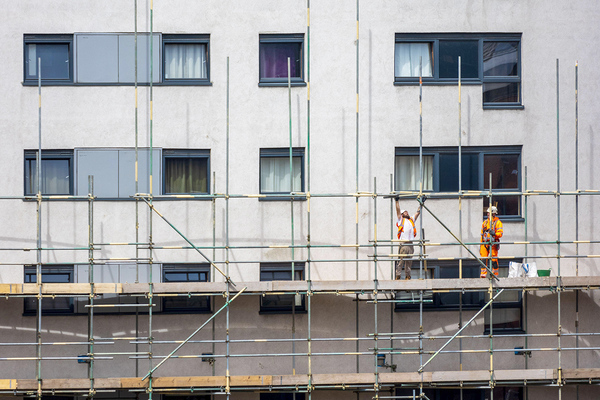
If the regulator is content, it will simply send a ‘Building Assessment Certificate’, which the owner of the building is obliged to display prominently in the building. But if it is not, it will provide a reasoned refusal, which may be accompanied by a notice ordering certain works to be carried out within a set deadline. It may also take enforcement action. The result could be a whole new wave of remediation work being ordered for both private and social housing blocks.
Read more

As of 2 July, the BSR had issued 170 decisions. This number is expected to grow rapidly, but the small sample size should prompt concern.
Only 45 have passed first time, and the remainder have failed and will need at least some work to be brought up to standard. At least five are understood to have been discovered to possess serious issues requiring immediate action, which the regulator has liaised with the local fire authority to get addressed more promptly.
If this does prove to be reflective of all the buildings currently being assessed, then an enormous number are going to need work. Sources close to the process say this is likely: the majority of the 1,454 ‘first tranche’ buildings are expected to be refused a certificate.
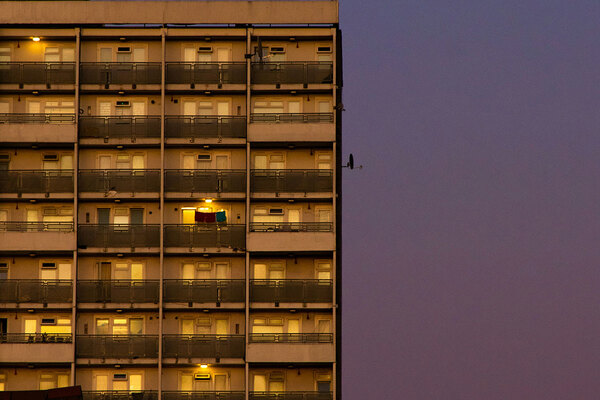
This is partly because the regulator has looked at the highest-risk buildings first. The first tranche of call-ins is made up of buildings above 30 metres with more than 11 residential units; those above 18 metres with more than 378 units; those clad with aluminium composite material cladding; and the ‘large panel system’ (LPS) buildings built between 1956 and 1973, where there is still a gas supply and no evidence of safety work being carried out.
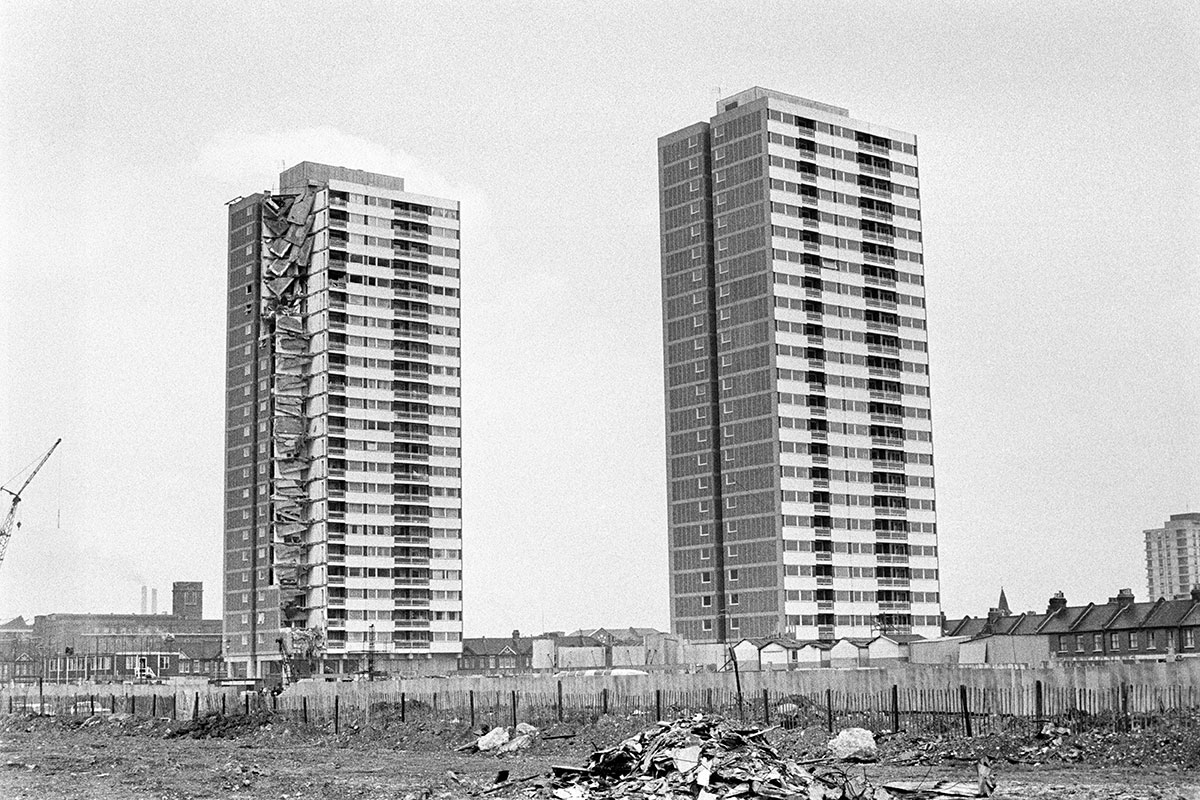
The latter section is particularly problematic: it is hard to see how an ageing LPS tower (a concrete structure with no steel frame, built of pre-formed slabs) with its vulnerability to collapse could pass an assessment like this without at least having its gas supply removed.
So what is going on, and what happens now?
One point to make is that not all the buildings where the regulator rejects the safety case will require large amounts of work. For some, it will be that they have not complied with the requirements of the process, not that the building is unsafe. As it stands, the quality of the safety cases coming into the regulator is mixed.
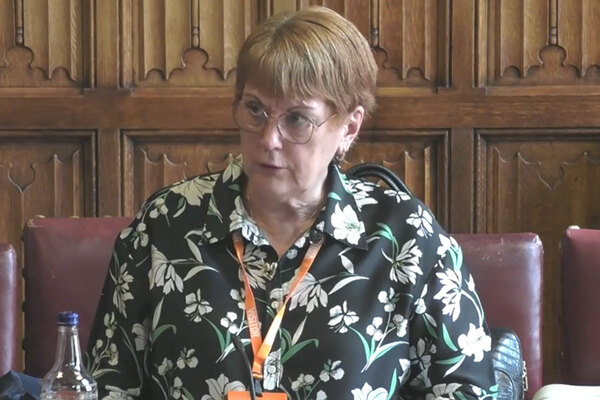
“The quality of the applications has been varied, and we’ve had some very extensive further information requests in order to try and get the information needed,” says Andrew Saunders, operational policy advisor at the BSR.
The safety cases submitted range from a 732-page document to a mere two-and-a-half pages. Mr Saunders says the typical (and optimum) length is a document of 30 to 40 pages – although this would refer to other, longer assessments.
“We have had a number of resident engagement strategies, which simply say ‘this is what we’re going to tell people’ and that’s great, but the law requires more than that”
Building owners are struggling with proving structural safety. “The challenges we’re noticing particularly is that dutyholders, a lot of them, are familiar with fire, but less so with structure,” says Mr Saunders. “We have genuinely had a small number of safety case reports that don’t even mention structural failure. We’ve had some where the applicants are just assuming that the fire risk assessment that they’ve done under the Fire Safety Order is all they need to do.”
Other applicants are filing a series of assessments, but are not “actually drawing that together into an assessment of risk”, he explains, which is what the safety case is supposed to represent.
The regulator has provided guidance on what to include in a safety case, but not a template. It is supposed to be the applicant’s responsibility to make the case. Consultants have not always helped here.
“We did have a consultant going around and telling their customers that the Building Safety Act requires you to have a Type 3 fire risk assessment done. It doesn’t. What you need is going to vary, depending on the building age, building construction, whether there’s a history of issues, whether you know you’ve got problems with the building. And similarly, for the reasonable steps which we might require, it varies depending on the building,” Mr Saunders explains.
1,454
Safety cases submitted to BSR for review in the past year
170
Decisions issued by BSR
45
Cases that passed first time
For others, failure may be to do with the absence of a bespoke resident engagement strategy for the building, which is one of the requirements of the safety case.
“There does seem to be a general lack of understanding of the difference between the provision of information to residents and a strategy for consultation and engagement,” says Mr Saunders. “We have had a number of resident engagement strategies, which simply say ‘this is what we’re going to tell people’ and that’s great, but the law requires more than that. We have even had the extreme of one applicant for student accommodation, which said they weren’t going to consult residents because they were students.”
Nonetheless, there are some buildings where much more serious issues are emerging. “We have found a few cases where we’ve needed to take action urgently,” says Mr Saunders. “We don’t have the power to require a decant or to prohibit the occupation of a building, but where we’ve got anything we feel needs resolving urgently, we will notify the relevant local enforcing authority, usually the local fire and rescue service, but also sometimes the local council, and they can assess whether to take action under their legislation.”
He says there have been five such cases so far. “In one, for example, we had a building with very, very poor compartmentation [measures that prevent flame and smoke spreading from flat to flat],” says Mr Saunders. “The dutyholder didn’t have a plan to put it right, didn’t have any interim measures in place, was refusing to put a waking watch or anything else in. We obviously worked with the local fire and rescue service, who basically turned around to this dutyholder and said: ‘Well, you either put a waking watch in or we’re going to prohibit the building. It is that serious.’”
He did not name the building in question.
The refusal notice
For those who do need to carry out work, the refusal notice will set out the different legal provisions the BSR is not satisfied with and why. This will be followed by a contravention letter, which may be accompanied by notices setting out the work required to achieve compliance. Once this work is done, the regulator will invite them to reapply.
In the social housing sector, this will hit landlords already struggling under the weight of financial burdens. And in the private sector, it will land with private building owners, who may attempt to pass the costs on to leaseholders in service charges.
This is not to say that the work is not necessary, but the financial burdens could well cause difficulty in the coming months.
For the LPS buildings in particular, the remediation work may involve extensive strengthening, which will take a long time and may not be possible with residents present. The result may be a very large number of buildings being demolished, which begs serious questions about residents’ rights in the interim, rehousing and making sure the process does not result in homelessness and displacement in areas where social housing is in short supply.
David Cormie, director of resilience, security and risk at the engineering consultancy Arup, explains that the law does not require the buildings to be fully brought up to modern standards, but that honesty about the risks and action to mitigate them will be crucial. “The intent of the Building Safety Act is to ensure that risks are properly understood by the building owner and are well managed. So, being upfront about the risks that have been identified, and outlining what actions you are taking to manage them, is the ethos at the heart of the Building Safety Act,” he says.
“Action is needed, though – the perspective of the regulator is that building owners have had plenty of time to prepare, and so will expect building owners to have engaged with the appropriate chartered structural engineers, and for LPS buildings, the necessary structural assessment to have been undertaken. A safety case report that says these activities ‘will be’ undertaken in the future is likely to be frowned upon by the BSR.
“Finally, building owners need to also be looking ahead to the next safety case submission: the regulator will be looking for the risk management plan outlined now having been progressed, and tangible progress having been made in managing the risks in line with the commitments the building owner has made.”
The regulator has a plan for five-year cycles for reviewing assessments.
There will be serious challenges, though. The cost of the remediation work required by the regulator will need to be factored into social housing business cases around the country.
Where a developer contract is in place, work should be covered if defects count as ‘life safety’. But this is yet to be tested in practice. Leaseholders should also be protected from the cost of waking watches, where they are required, but it is not always clear who will pay for them, and sometimes they have to be put in rapidly to avoid a building evacuation.
And it is not yet known how mortgage providers and insurers will respond to a building that does not pass a building safety case assessment. Will they still be willing to offer mortgages while the works are under way? Will insurance premiums shoot upwards? Both of these things happened as buildings were assessed for dangerous cladding, with serious consequences for all involved.
Other buildings will need to be emptied – some temporarily to allow urgent works to be carried out, some permanently with the building being demolished. This will create huge challenges in terms of temporary accommodation provision and the requirement for rehousing in an already stretched market. With hundreds of safety case assessments to be revealed every month from here on out, this will quickly become a major endeavour.
There is no doubt that the safety of existing buildings needs to be addressed. But for anyone hoping the building safety crisis would go away, the work required to make our buildings safe may only just be beginning.
Sign up to our building and fire safety newsletter
Sign up to our new revamped building and fire safety newsletter, now including a monthly update on building safety from Inside Housing contributing editor Peter Apps.
Already have an account? Click here to manage your newsletters.
Related stories