You are viewing 1 of your 1 free articles
G15 landlord confirms it will not pass on fire remediation and waking watch costs to leaseholders
Optivo has confirmed that it will not pass on the cost of fire safety remediation work and interim measures, such as waking watch, to leaseholders living in blocks of any height.


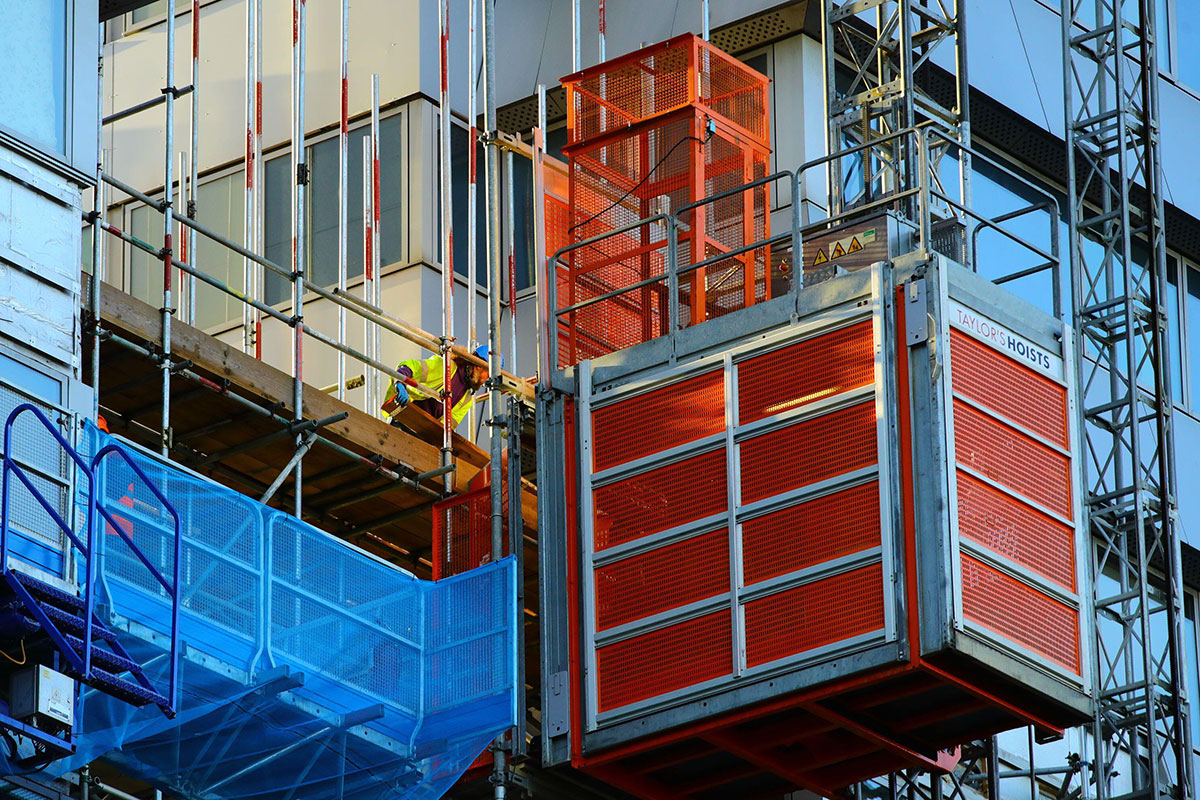 Optivo has confirmed that it will not pass on the cost of fire safety remediation work and interim measures, such as waking watch, to leaseholders #UKhousing
In a statement, the 45,000-home landlord said: “Today, we’re pleased to have informed our leaseholders we will not pass on costs to them for any fire safety remediation works we undertake related to historic defects, as defined by the Building Safety Act 2022.”
Optivo said it will “also not charge leaseholders for work carried out relating to interim measures, including temporary alarm installations and evacuation management costs such as waking watch”.
It comes one month after the Building Safety Act, which protects leaseholders from some fire remediation costs, received Royal Assent.
Under the act, leaseholders will be protected from having to pay for cladding work on buildings taller than 11 metres.
For non-cladding work, leaseholders could be billed a maximum of £10,000, or £15,000 in London, however these costs will be incurred only if the original developer cannot be found or the building’s freeholder is unable to pay.
Read more
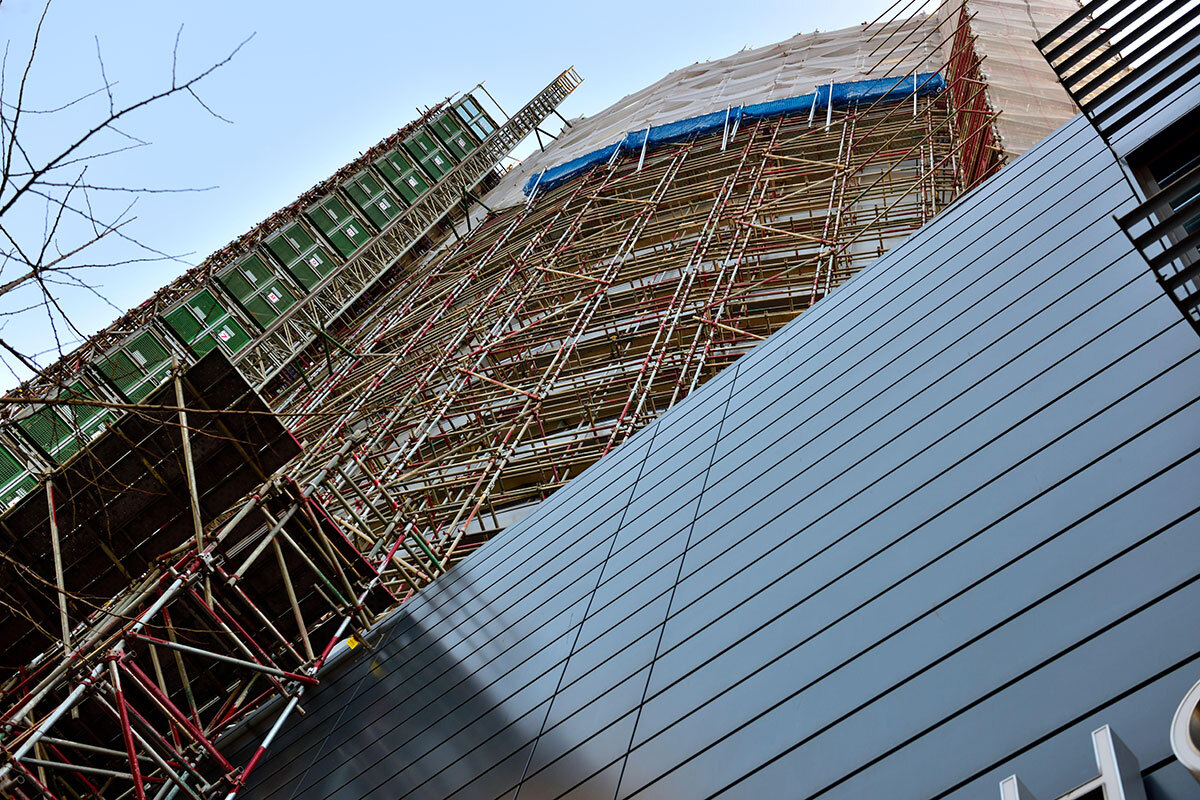

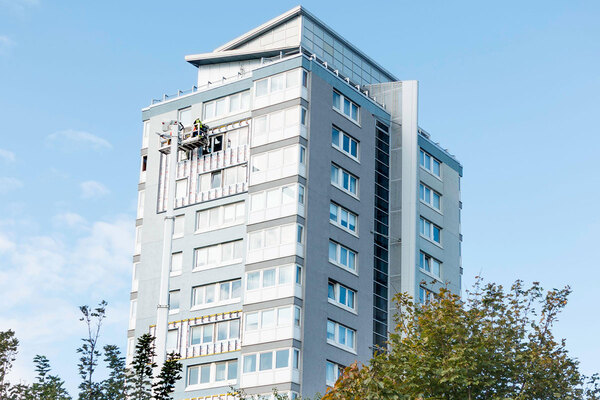
In a letter that went out to residents this morning, Optivo confirmed that its leaseholders will now be charged only for “day-to-day fire safety costs, which have always been charged to leaseholders, such as the maintenance of safety equipment and regular inspections”.
The new policy will apply to all leaseholders, regardless of the building’s height, however it may not apply to built to let investors or those who own more than three properties.
In its statement, Optivo said: “We’ve long called for clarity from the government around who should pay for fire remediation costs. We welcome the government announcement that leaseholders shouldn’t have to pay, along with further detail about recovering costs from developers. And we’re glad these commitments carry the full force of law, following the passage of the Building Safety Act 2022 on 28 April.”
Leaseholders living in some Optivo buildings previously faced huge bills for remediation work, including residents of a shared ownership block in Southwark who were previously warned by the landlord that they could receive a bill of roughly £80,000.
“We’ve always been clear we’d exhaust all options before charging our leaseholders. We hope this news is welcomed, as we know the national uncertainty over fire safety costs has caused significant concerns for some of our leaseholders,” Optivo said in its statement.
The landlord has not yet charged any of its leaseholders for any major work. Some leaseholders have been charged for the cost of servicing and maintaining temporary fire alarms, however this will be reimbursed.
Before pledging to cover remediation costs, Optivo has previously said that it expected to spend £251m on fire safety over the next decade.
It is one of a number of large London housing associations that have been forced to cut their development plans due to costs, confirming last year that it had cut 2,000 homes from the 4,500-home target it had planned between March 2020 and April 2023.
Optivo said that it is now reassessing which of its buildings need work in line with the government’s new PAS 9980 guidance, with an aim of assessing all high-risk blocks by March next year.
It said that it has no control over whether lenders decide that they are willing to provide mortgages on the affected properties, but that it hopes the measures introduced by government will mean leaseholders will be able to sell their homes again without difficulty.
Sign up for our fire safety newsletter
Already have an account? Click here to manage your newsletters
Related stories