You are viewing 1 of your 1 free articles
New report identifies Milton Keynes and Leeds as best suited for new towns
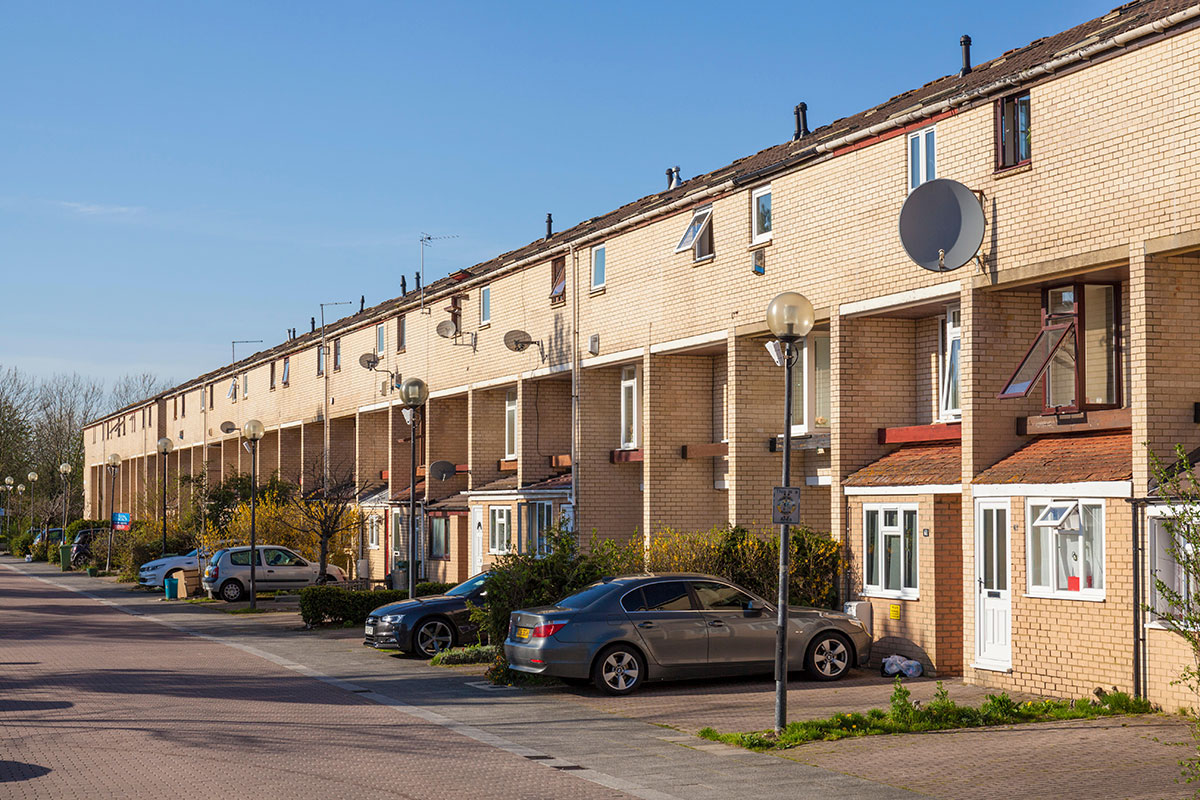
Milton Keynes and Leeds are the local authority areas most favourable for new towns, according to a new report.


 Milton Keynes and Leeds are the local authority areas most favourable for new towns, according to a new report #UKhousing
The report was submitted to the New Towns Taskforce by consultancy WPI Strategy, which used public acceptance, land availability, proximity to economic hubs, affordability and potential land value uplift as its criteria.
Using this methodology across the 12 locations the government has put forward, Milton Keynes and Leeds had the highest levels of acceptance, of 59.5% and 58%, respectively.
However, a Ministry of Housing, Communities and Local Government (MHCLG) described "WPI’s estimate of costs per new town is extremely speculative".
Read more

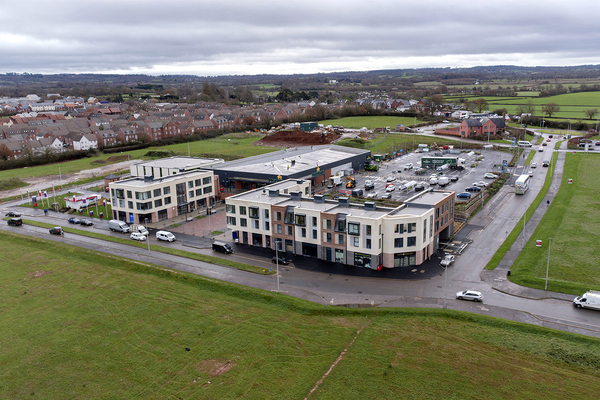
Sean Worth, director of WPI Strategy, said: “Public resistance to new development most often stems from concerns about the capacity of local services and infrastructure to accommodate population growth.
“Evidence suggests that integrating essential services and adding tangible benefits, while fostering meaningful community engagement and having transparent planning processes, can enhance public support.”
Sir Keir Starmer, the prime minister, announced in February that more than 100 sites in England had been put forward for new towns.
Each site could provide 10,000 homes or more, and “pave the way for the largest housebuilding programme since the post-war era”.
The other recommended local authority areas were South Gloucestershire, Central Bedfordshire, Wiltshire, Huntingdonshire, West Northamptonshire, Mid Devon, South Cambridgeshire, Winchester, East Hertfordshire and Northumberland.
New towns in England will be expected to deliver 40% affordable homes and make use of brownfield sites and some redesignated green belt to be developed by local authorities and the private sector.
The report recommends a mixed-tenure housing and affordable rents approach that includes a commitment to deliver social value.
It favours partnership funding, bringing together the public and private sectors, and phased development recognising the reality of land availability.
It estimates the average cost of delivering a new town of 10,000 homes at between £3.5bn and £4bn. The report states: “The locations we suggest have land value and other factors that suggest a substantial positive growth and jobs benefit.”
An MHCLG spokesperson said: “Any hypothetical cost projections associated with the New Towns programme are at this stage pure speculation. We are awaiting the recommendations from the independent New Towns Taskforce on potential locations for new towns and we will receive this later this year.
Last week, the chair of the New Towns Taskforce said social housing would play an “explicit part” in setting targets.
WPI’s report was written by Paul Chamberlain, a former government economist, and is supported by the Pension Insurance Corporation and the National House Building Council.
The House of Lords Built Environment Committee recently launched an inquiry into the government’s plans for new towns.
Sign up for our development and finance newsletter
Already have an account? Click here to manage your newsletters
Related stories